Dishwasher Not Cleaning Dishes? 8 Fixes, Cheapest First
Before you blame the machine, check the filter, spray arms, water temperature, detergent and loading. Most fixes cost nothing.
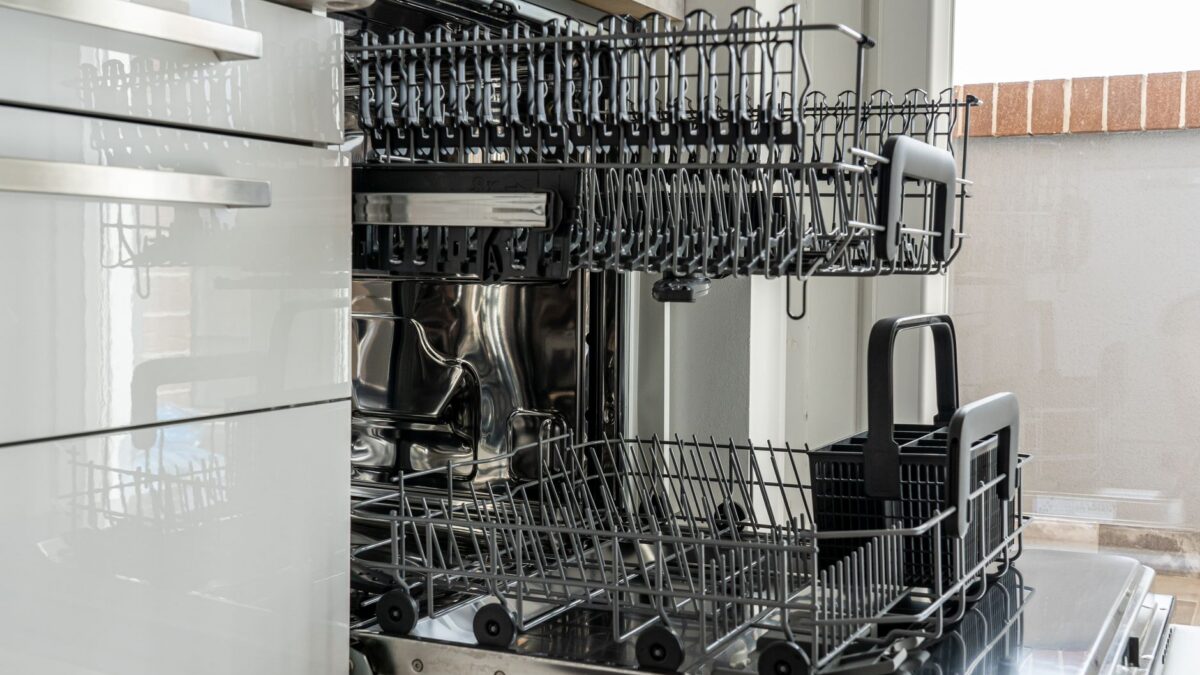
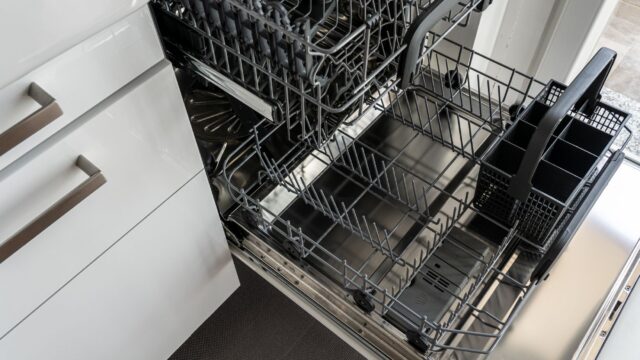
When a dishwasher stops cleaning well, the usual culprits are a clogged filter, blocked spray arm holes, water that isn’t hot enough, old or wrong detergent, or a load that blocks the spray. Start with the filter and spray arms: together they take about 20 minutes and cost nothing. Switch off power at the breaker or unplug the machine before reaching into the tub.
Read the dirt: what the residue tells you
| What you see | Likely cause | First fix |
|---|---|---|
| Gritty specks or food bits on everything | Clogged filter recirculating debris | Clean the filter |
| Dirty in one zone (top rack, one corner) | Blocked or stuck spray arm, or loading | Clear arm holes, reload |
| Greasy film | Cool water, too little detergent | Run the tap hot first; check dose |
| White cloudy film | Hard water minerals | Rinse aid, citric acid treatment |
| Detergent clump left in cup | Dispenser blocked, old detergent | Don’t block the door; buy fresh |
| Nothing cleans, machine sounds quiet | Low water fill or weak pump | Check supply valve; call a tech |
1. Clean the filter
Most modern dishwashers have a manual filter that needs cleaning about once a month. A clogged one recirculates dirty water onto your dishes. Twist it out of the tub floor, rinse it with warm soapy water and a soft brush, and lock it back in. Full steps are in our guide to cleaning the bottom of a dishwasher.
2. Clear the spray arms
Remove the lower and upper spray arms (most clip, twist or unscrew off; check the manual). Hold them up to the light and clear blocked holes with a toothpick. Rinse them out under the tap. Before reinstalling, spin each arm by hand inside the tub: if a tall pan or a utensil handle hits it, it can’t clean anything.
3. Get the water hot
Manufacturers such as Maytag say most of their dishwashers are designed for incoming water of about 120°F (49°C), and they suggest running the hot tap at the kitchen sink until it’s hot before starting a cycle. That way the first fill isn’t cold water that’s been sitting in the pipe. If your water heater is set low or has a problem, see water heater not heating. Selecting a “hi-temp” or “sanitize” option, if your model has one, also helps with greasy loads.
4. Check the detergent
- Freshness: powder that has absorbed humidity clumps and doesn’t dissolve. Store detergent sealed and away from the sink.
- Dose: too little leaves grease; too much in soft water can leave film. Follow the package and your water hardness.
- Type: only use automatic dishwasher detergent. Hand dish soap creates a flood of suds.
Our comparison of pods vs. powder vs. gel explains the trade-offs.
5. Don’t block the dispenser or spray
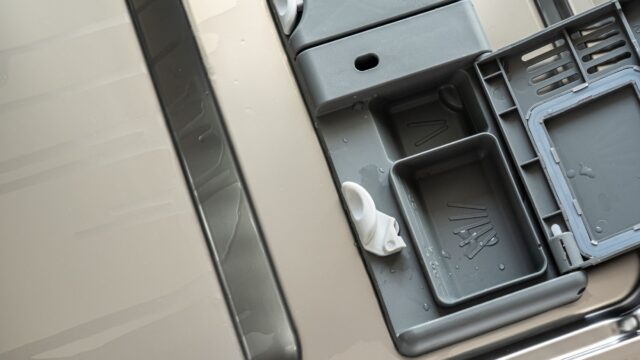
A cutting board or tray standing in front of the detergent cup can keep it from opening. Tall items in the bottom rack can also block the spray reaching the top rack. Face dirty surfaces toward the center and the spray, don’t nest bowls, and leave space between items.
6. Scrape, but don’t over-rinse
Scrape food into the trash. Many detergents contain enzymes that work on food soil; plates rinsed spotless can leave the detergent with little to act on. Many manufacturers say pre-rinsing is unnecessary for modern machines.
7. Use the right cycle
Quick cycles save time but use less heat and wash time. For baked-on food, pick the heavy or pots cycle. Long run times on the normal cycle are normal; see how long a dishwasher should run.
8. Deal with hard water
If dishes look clean but cloudy, the problem is minerals, not dirt. Soak a cloudy glass in white vinegar for a few minutes: if the film comes off, it’s hard water; if not, the glass may be permanently etched. Rinse aid and a periodic citric-acid cleaning cycle help with mineral film.
When to call a pro
If you’ve cleaned the filter and arms, confirmed hot water and fresh detergent, and the dishwasher still leaves dirt, the problem may be mechanical: a weak circulation pump, a failing water inlet valve (low fill), a heater that doesn’t heat, or a faulty control. Signs include a machine that sounds unusually quiet during washing, very little water in the tub mid-cycle, or an error code. Call an appliance technician for these; repairs involve electrical and water connections, and DIY work may void a warranty.
A quick weekly habit that prevents most problems
Once a week, glance at the filter and pull out anything large, and spin the spray arms by hand to make sure nothing blocks them. Once a month, wash the filter properly. These two minutes do more for cleaning results than any premium detergent.
Bottom line
Most “dishwasher not cleaning” problems are fixed by cleaning the filter, clearing the spray arms, starting with hot water and using fresh detergent. Check those free fixes first, then call a technician if dishes still come out dirty.
FAQ
Why are the dishes on the top rack dirty but the bottom clean?
The upper spray arm may be blocked or not spinning, or a tall item on the bottom rack is blocking the water path to it. Remove and clear the arm, and check for blockages.
Should I use the sanitize option?
It raises the final rinse temperature on models that have it, which helps with grease and is useful for baby bottles or cutting boards. It also lengthens the cycle and uses more energy.
Does a dishwasher cleaner fix poor cleaning?
It removes grease and mineral buildup in the tub and lines, which can help. It won’t fix a clogged filter or a blocked spray arm, so do those first.