How to Remove Grease From Kitchen Cabinets (By Cabinet Finish)
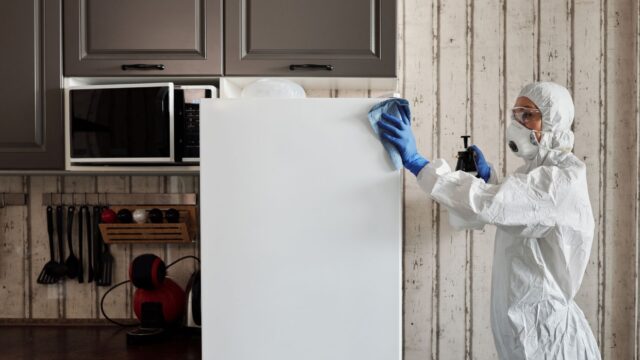
That sticky film above the stove is cooking grease mixed with dust. Dish soap handles most of it; the trick is using as little water and scrubbing as possible.
Kitchen sinks, faucets, countertops (Corian, quartz, granite, laminate), cabinets and storage: care, small fixes and choosing materials.
That sticky film above the stove is cooking grease mixed with dust. Dish soap handles most of it; the trick is using as little water and scrubbing as possible.
There is no single best sink, but there is a best fit for your counter, cabinet and habits. Here's how the main materials and mounting styles compare.
Grease, food scraps and coffee grounds cause most kitchen clogs. Work from the free checks to the P-trap, and leave caustic drain openers on the shelf.
If only the kitchen faucet is weak, the fix is almost always at the faucet itself. Start with the aerator and work back to the valves under the sink.
Both are durable, both cost real money. The deciding factors are how you treat hot pans, how much upkeep you'll do, and whether you want natural stone.
Cyanoacrylate glue grabs hard, but solid surface counters forgive a lot. Start with water and patience, not solvents, and finish by matching the sheen.
Because the color runs all the way through, Corian can be sanded and renewed. Matte finishes are a weekend DIY job; gloss is best left to a fabricator.
Corian is easy to keep clean if you know two things: dry it after every wipe, and match your stain fix to the finish. Here's the routine.
We use analytics cookies to see which articles are read. No ads cookies. Privacy policy