Loud Fridge? Diagnose It by the Sound and Where It Comes From
A fridge makes many normal noises. Learn which ones are expected and which ones point to a fan, the ice maker, the compressor or a loose part.
A fridge makes many normal noises. Learn which ones are expected and which ones point to a fan, the ice maker, the compressor or a loose part.
Where the reset button is, how to press it properly, and why it keeps popping out on some disposals.
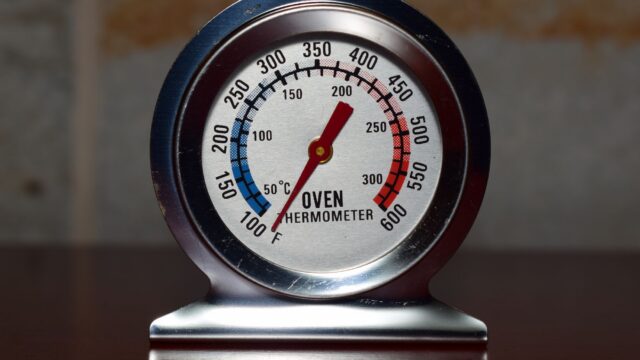
Most ovens cycle above and below the set point, so a single reading means little. A proper check takes about 30 minutes and an inexpensive thermometer.
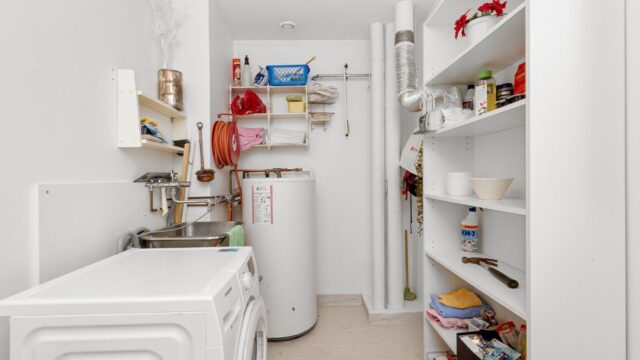
Most no-hot-water calls come down to a handful of causes. A few free checks can tell you whether it is a quick reset or a job for a plumber.
The sound it makes, or does not make, tells you most of what you need to know. Start with the free fixes before calling anyone.
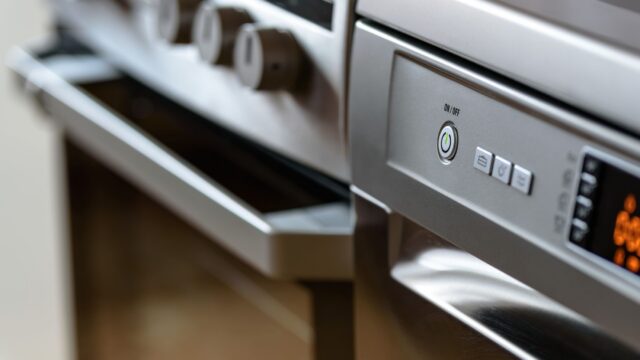
If the igniter clicks but nothing catches, the fix is usually cleaning and reseating parts. If you smell gas, stop and get out.
Codes differ by brand and model, but they fall into a few families. Here's what they usually mean and which checks are safe to try yourself.
A dead ice maker is usually a supply or temperature problem, not a broken part. Work through these checks in order, from the on/off switch to the inlet valve.
In most frost-free fridges, the fresh-food side gets its cold air from the freezer. When that airflow stops, the fridge warms while the freezer seems fine.
Pressing the red button fixes most stalled disposals. When it does not, work through power, switch and jam checks in order before paying for a new unit.
We use analytics cookies to see which articles are read. No ads cookies. Privacy policy