Dishwasher Not Drying Dishes? How Drying Works and What Fixes It
Wet plastic is often normal, and empty rinse aid is the most common fix. Here's how dishwasher drying works and what to check before calling a tech.
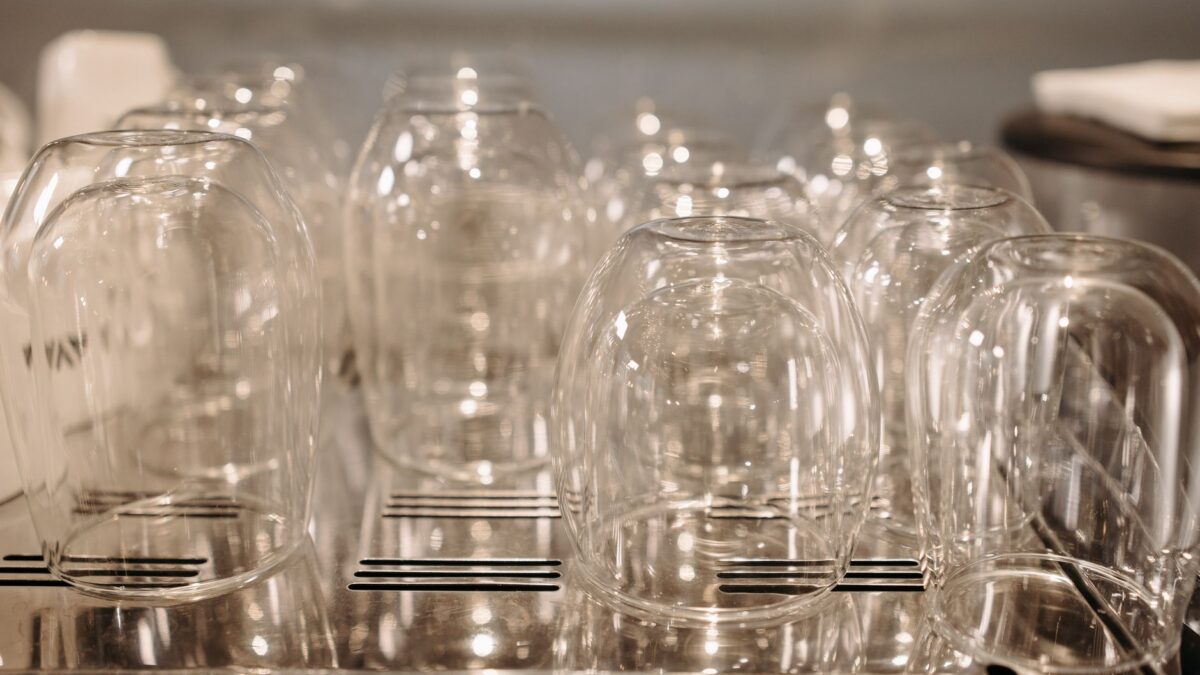
Most dishwashers that leave dishes wet need rinse aid: when the dispenser runs empty, water clings to dishes instead of sheeting off. Also check that heated dry or an extra-dry option is turned on, and remember that many modern dishwashers use condensation drying, so wet plastics are often normal. These checks take a few minutes. If you need to inspect a heating element or vent, switch off the breaker first.
How dishwashers dry
Not all dishwashers dry the same way, so it helps to know what yours does. Your manual will say which method it uses.
| Method | How it works | Typical result |
|---|---|---|
| Heated dry (exposed or hidden element) | An electric element heats the air after the final rinse | Drier plastics; uses more energy |
| Condensation dry | A hot final rinse heats the dishes; steam condenses on the cooler stainless tub walls and drains away | Glass and ceramics dry well; plastics may stay damp |
| Fan-assisted or vent drying | A fan or a vent moves moist air out | Better than plain condensation |
| Auto door-open | The door pops open slightly at the end to release steam | Helps with plastics; check whether yours has it |
| Mineral (zeolite) drying | A mineral absorbs moisture and releases heat | Found on some higher-end models |
Why plastic stays wet
Condensation drying depends on the heat stored in the dishes. Plastic holds much less heat than ceramic, glass or metal, so it cools fast and the water stays on it. Several manufacturers, including LG and Frigidaire, describe some moisture on plastics and on cupped items as normal. A quick wipe or a few minutes with the door open is the practical fix.
Fixes to try, cheapest first
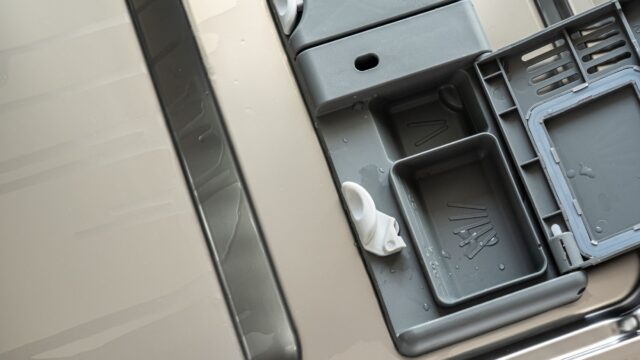
- Fill the rinse aid dispenser. It’s usually next to the detergent cup. Rinse aid lowers water’s surface tension so it runs off rather than beading. Many models have an indicator light or a window that shows when it’s low.
- Turn the rinse aid setting up one step if water spots or droplets remain. Too high a setting can leave streaks or foam, so adjust gradually.
- Select heated dry or extra dry. Energy-saving defaults or an “air dry” option may be on. Quick or 1-hour cycles often skip full drying.
- Start with hot water. Run the kitchen tap hot before starting. A cooler wash means less stored heat for drying.
- Load for drainage. Tilt cups and bowls so water runs off, don’t nest items, and leave space for air. Unload the bottom rack first so drips from the top rack don’t land on dry dishes.
- Crack the door at the end of the cycle (if your model doesn’t do this itself) to let steam out.
Signs it’s a real fault
If everything, including glass and ceramics, comes out soaking wet and the dishes feel cool at the end of the cycle, something may not be heating. Possible causes include a failed heating element, a faulty high-limit thermostat or temperature sensor, a vent or fan that doesn’t work, or a control problem. On models with an exposed element in the tub floor, you can look for visible breaks or blistering with power off, but testing and replacing it involves wiring.
A wet load can also be a symptom of poor draining. If water stands in the tub, start with how to drain a dishwasher with standing water.
When to call a pro
- Dishes are cold and wet at the end of every heated-dry cycle.
- You see a damaged element, smell burning or see a tripped breaker. Our guide to resetting a tripped breaker explains why repeated tripping is a warning sign.
- An error code relating to heating or temperature appears.
Electrical repairs are for a qualified appliance technician. Check your warranty before any DIY work beyond refilling rinse aid and changing settings.
Quick checklist by symptom
| Symptom | Likely cause | Try this |
|---|---|---|
| Only plastics are wet | Normal for condensation drying | Wipe, or crack the door at the end |
| Water spots and droplets on glasses | Rinse aid empty or set low | Refill; raise the setting one step |
| Cups full of water on top | Loading | Angle cups; unload bottom rack first |
| Everything wet after quick cycle | Short cycle skips full drying | Use normal with heated dry |
| Everything wet and cool, heated dry on | Heating element, thermostat, fan or vent fault | Call a technician |
Does a stainless tub dry better?
Stainless steel tubs are common on condensation-drying models because the metal walls cool quickly and give steam a place to condense. Plastic tubs are more often paired with a heating element. Neither is automatically better; what matters is the drying system and options listed in the specifications. If drying matters to you, compare models by drying method, such as fan assist or automatic door opening, rather than tub material alone.
Bottom line
Refill the rinse aid, turn on heated or extra dry, start with hot water and load so water can run off. If plastics are the only wet items, that’s probably normal for your dryer type. Cold, wet dishes across the whole load point to a heating fault for a technician.
FAQ
Do I really need rinse aid if my detergent has it built in?
Many pods advertise built-in rinse aid, but many manufacturers still recommend filling the dispenser for best drying, especially with condensation drying or hard water. Check your manual.
Does heated dry use a lot of energy?
It adds energy use compared with air drying. If you skip it, open the door at the end to let dishes air-dry.
Why are there water droplets on the inside of the door?
That’s how condensation drying works: steam condenses on the cooler surfaces of the tub and door, then drains away. It’s normal.