Water Heater Not Heating? Safe Checks for Gas and Electric Tanks
Most no-hot-water calls come down to a handful of causes. A few free checks can tell you whether it is a quick reset or a job for a plumber.
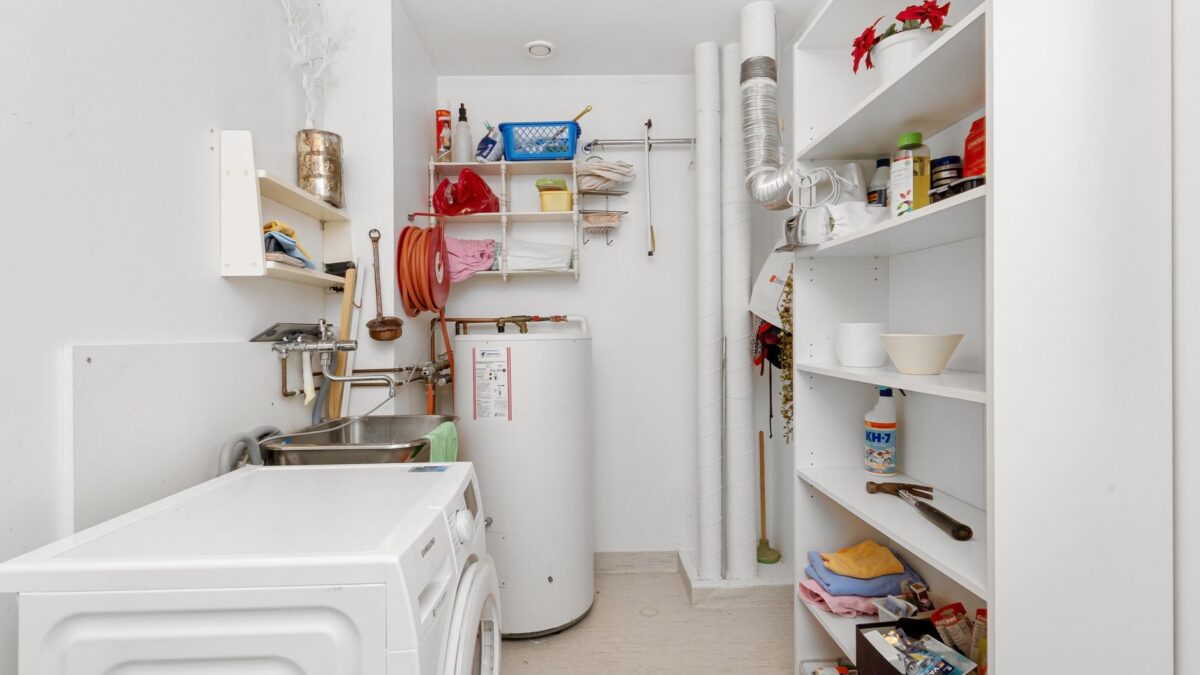
If your water heater is not heating, start with the free checks: on an electric tank, look for a tripped breaker and a tripped high-limit reset button; on a gas tank, check that the gas valve is on and the pilot or igniter is working. These solve many cases in under an hour. Safety first: if you smell gas, leave the home immediately and call your gas utility or 911 from outside, and switch off power at the breaker before opening any panel on an electric heater, which typically runs on 240 volts.
Before anything else
- Check the scope. No hot water anywhere points to the heater. One faucet only points to that fixture’s valve or cartridge.
- Find the label. The rating plate on the tank lists the model, fuel and voltage. The manual (often on the maker’s website) has model-specific steps.
- Look for leaks. Water pooling under the tank or dripping from the temperature-and-pressure (T&P) relief valve pipe needs a plumber. Do not cap or plug that valve.
- Warranty. DIY repairs on internal parts can affect warranty coverage. Check the terms first.
Electric water heater checks
1. The breaker
Find the water heater breaker in your panel (usually a double-pole breaker). If it is tripped, push it fully off, then on. If it trips again right away, stop: a shorted element or wiring fault is likely and needs a pro. Our guide on how to reset a tripped breaker explains the warning signs.
2. The high-limit reset button
Most electric tanks have a safety switch, often a red button behind the upper access panel, that cuts power if the water overheats.
- Turn the heater’s breaker off.
- Remove the upper access panel and fold back insulation without touching wires or terminals.
- Press the reset button firmly. A click means it had tripped.
- Replace the insulation and cover, then restore power.
- Allow time for the tank to recover; a full tank can take a while to reheat.
A reset that trips again is a symptom, not a fix. Common causes include a faulty thermostat or a shorted heating element. Testing and replacing elements means working near 240-volt terminals and draining the tank, so it is best left to a plumber or qualified technician unless you are experienced with electrical work.
3. Lukewarm water or hot water runs out fast
Electric tanks usually have two elements. If the upper works and the lower has failed, you may get a small amount of warm water that runs out quickly. Sediment buildup in hard-water areas can also reduce capacity and efficiency. Your manual explains flushing; follow its steps, since hot water and older drain valves can be tricky.
Gas water heater checks
If you smell gas (a rotten-egg odor), do not light anything, do not operate switches, leave the home and call the gas utility or 911 from outside.
1. Gas supply
Make sure the gas shut-off valve on the supply line is open (handle parallel to the pipe) and that other gas appliances work. If none do, call the gas company.
2. Pilot light or igniter
Older tanks have a standing pilot visible through a small window. Newer ones may use electronic ignition and show a status light or error code.
- Look for the pilot flame through the sight glass.
- If it is out, follow the lighting instructions printed on the tank’s label exactly. Many models require waiting several minutes before relighting to let gas clear.
- If the pilot will not stay lit, a thermocouple or flame sensor problem is common. Replacement is a job for a qualified technician.
3. Lockouts and status lights
Many newer gas tanks have safety sensors that shut the burner down if they detect a problem, and some will not restart until the cause is fixed. A blinking status light usually corresponds to a code in the manual. Do not bypass sensors; call a pro.
4. Venting
If you see scorching, soot or rust around the top of a gas heater or the vent, or a carbon monoxide alarm sounds, turn the heater off per the manual, ventilate and call a professional. Every home with fuel-burning appliances should have working CO alarms.
Symptom guide
| Symptom | Likely cause | Next step |
|---|---|---|
| No hot water, electric | Breaker or high-limit tripped | Reset once; repeat trips need a pro |
| No hot water, gas | Pilot out, gas off, ignition fault | Relight per label; call a pro if it will not stay lit |
| Warm water runs out quickly | Failed lower element, sediment, undersized tank | Technician to test elements; flush per manual |
| Water too hot | Thermostat set high or faulty | Lower setting; call a pro if it stays too hot |
| Water from T&P valve pipe | Excess pressure or temperature, faulty valve | Call a plumber; never plug the valve |
| Leak from tank body | Tank failure | Shut off water and power or gas; plan replacement |
Check the temperature setting
A thermostat bumped to a low setting can feel like a failure. The U.S. Department of Energy’s home energy checklist suggests 120°F for most households, which saves energy and lowers scald risk. Households with specific health concerns may get different advice from their doctor or local health authority.
Repair or replace?
DOE’s consumer guide estimates that conventional storage water heaters last about 10 to 15 years, and tankless units about 20. An older tank with a leak from the body needs replacing; a newer one with a failed thermostat or element is usually worth repairing. Replacing a water heater commonly requires a permit in many areas because it involves gas, venting or electrical connections and safety valves, so check with your local building department or use a licensed installer.
If you need to stop water to the tank, use the cold-water valve on top of the heater or the main; see how to shut off water to your house.
When to call a pro
- Any smell of gas, sooting or CO alarm
- A breaker or reset button that trips again
- Pilot that will not stay lit, or error codes you cannot clear by the manual
- Leaks from the tank or T&P valve
- Element, thermostat, thermocouple or gas valve replacement
Bottom line
Check power and the reset button on electric tanks, or gas supply and pilot on gas tanks, following the label and manual. One reset or relight is reasonable; repeat failures, gas odors and leaks are jobs for a licensed plumber or technician.
FAQ
How long does a water heater take to reheat?
It varies by tank size, fuel and model. Gas tanks generally recover faster than electric ones. Your manual lists the recovery rate.
Why does my reset button keep tripping?
It usually signals a faulty thermostat, a shorted element or a wiring issue. Have a technician diagnose it.
Can I relight a pilot myself?
Yes, on most standing-pilot models, if you follow the label’s instructions exactly and there is no gas smell.
Is no hot water an emergency?
Usually not, unless you smell gas, see a leak or a CO alarm sounds. Those need immediate action.