Quartz vs. Granite Countertops: Cost, Heat, Sealing and Upkeep
Both are durable, both cost real money. The deciding factors are how you treat hot pans, how much upkeep you'll do, and whether you want natural stone.
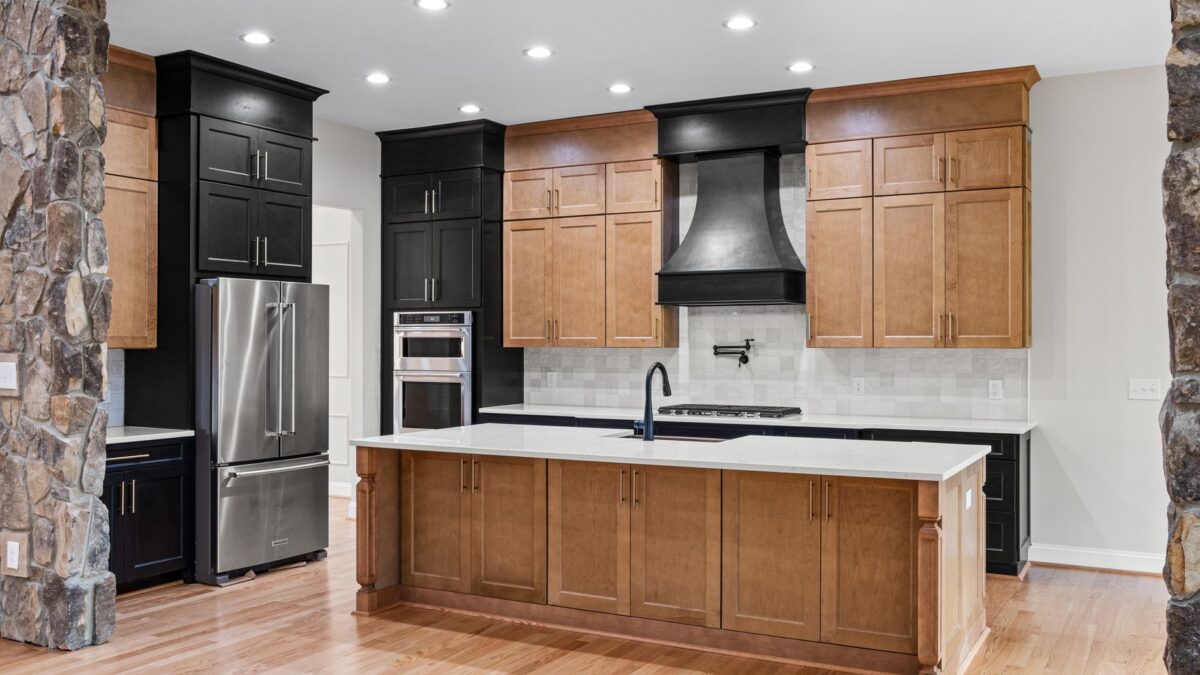
Quartz (engineered stone) is nonporous, so it never needs sealing and resists stains well, but its resin binder can be damaged by direct heat. Granite is natural stone that tolerates heat better, but it is porous and benefits from periodic sealing. As of 2026, installed prices for both commonly fall somewhere around $50 to $120+ per square foot depending on slab grade and region, with quartz often slightly higher. Either way, use trivets and get local quotes.
What each material is
Granite is quarried natural stone cut into slabs. Every slab is unique, with veining, speckles and color shifts. Its porosity varies widely by type: some granites absorb liquids readily, others barely at all.
Quartz countertops are engineered: crushed quartz mixed with resin binders and pigments, pressed into slabs. That gives consistent color and pattern, including marble looks, and a nonporous surface. Do not confuse quartz with quartzite, which is a natural stone with different care needs, including sealing.
Side-by-side comparison
| Factor | Quartz (engineered) | Granite (natural) |
|---|---|---|
| Porosity | Nonporous | Porous; varies by stone |
| Sealing | Not needed; makers advise against sealers | Usually recommended periodically; test with water |
| Heat | Resin can scorch, discolor or crack; use trivets | Tolerates heat better; trivets still advised |
| Stain resistance | High | Good when sealed; oils and wine can stain unsealed stone |
| Look | Uniform; wide range of colors and patterns | Unique natural patterns; choose your slab |
| Seams | Often less visible due to uniform pattern | Pattern matching at seams varies |
| Typical installed cost (2026, rough) | About $60–$120+ per sq ft | About $50–$100+ per sq ft |
Cost ranges are typical figures quoted by installers and cost guides in 2026, and they vary a lot by region, slab grade, edge profile, cutouts and removal of old tops. Exotic granites and designer quartz can exceed the top of these ranges. Treat them only as a starting point for comparing quotes.
Heat: the biggest practical difference
Quartz manufacturers and retailers commonly advise always placing a trivet or hot pad between the counter and hot cookware or heat-producing appliances. Sudden or sustained heat, especially near edges and cutouts, can cause discoloration or cracking from thermal stress, and some quartz warranties exclude heat damage. One major maker, Caesarstone, says on its care and maintenance page that its surfaces need protection from temperatures above about 300°F (150°C) and from sudden temperature changes.
Granite has no resin binder, so it is generally considered more tolerant of a brief hot pan, but stone can still crack from thermal shock, and sealers can be affected by heat. The honest rule for both: use trivets, especially under slow cookers, air fryers and toaster ovens that run for a long time. Our air fryer safety tips include placement advice that protects counters too.
Sealing and daily care
Granite
Many installers recommend checking granite with a simple water drop test: put a few drops of water on the surface in several spots and wait. If the stone darkens and absorbs water within roughly 10–15 minutes, it is time to seal; if water still beads after about 30 minutes, it is fine. Busy kitchens may need resealing every year or two, while dense stones may go much longer. Follow the sealer manufacturer’s instructions.
For daily cleaning, use warm water with mild dish soap or a pH-neutral stone cleaner. Avoid vinegar, lemon, and bleach-based or abrasive cleaners on natural stone, as acids and harsh cleaners can dull the finish and break down sealers.
Quartz
Wipe with warm soapy water or a cleaner approved by the manufacturer. Most quartz makers advise against sealers, waxes and polishes, which can leave residue, and against harsh chemicals such as oven cleaners and strong solvents. Check your brand’s care guide, because using non-approved products may affect a warranty claim.
Durability and repair
- Scratches: both are hard surfaces, but always use a cutting board; knives dull quickly on stone.
- Chips: both can chip at edges and sink cutouts from impacts. Fabricators can usually fill small chips with color-matched resin.
- Sunlight: some quartz products are not intended for outdoor or strong direct UV exposure; check the maker’s guidance before using it outdoors.
A health note on engineered stone
Cutting and grinding engineered stone releases respirable crystalline silica dust, which can cause the serious lung disease silicosis in fabrication workers. Australia banned the use of engineered stone from July 2024. Finished, installed countertops are not considered a dust risk in normal kitchen use. If you choose quartz, use a fabricator who cuts with water and dust controls, and never cut or grind it yourself.
Which should you choose?
- Choose quartz if you want minimal upkeep, consistent color, and you are disciplined about trivets.
- Choose granite if you want natural stone, often put hot items down, and do not mind a periodic water test and sealing.
- Consider alternatives such as solid surface (repairable; see our Corian care guide) or laminate on a tight budget.
If you are planning the whole room, see our kitchen remodel order of steps, since countertops are measured after cabinets are installed.
Bottom line
Quartz wins on stain resistance and zero sealing; granite wins on heat tolerance and natural character. Prices overlap, so compare full installed quotes for your specific slabs and layout. Whichever you pick, use trivets and cutting boards, and follow the manufacturer’s care guide to protect the warranty.
FAQ
Is quartz more expensive than granite?
Often slightly, but ranges overlap. Entry-level granite can be cheaper than designer quartz, and exotic granite can cost more than most quartz.
Can I seal quartz to make it more stain-proof?
No. It is already nonporous, and most manufacturers advise against sealers, which can leave a film.
Can granite harbor bacteria?
Sealed, regularly cleaned granite is a common food-prep surface. Clean it with soap and water and sanitize with a stone-safe product.
Which is better for resale?
Both are widely seen as premium materials. Neutral colors in either tend to appeal to more buyers.