How to Remove Grease From Kitchen Cabinets (By Cabinet Finish)
That sticky film above the stove is cooking grease mixed with dust. Dish soap handles most of it; the trick is using as little water and scrubbing as possible.
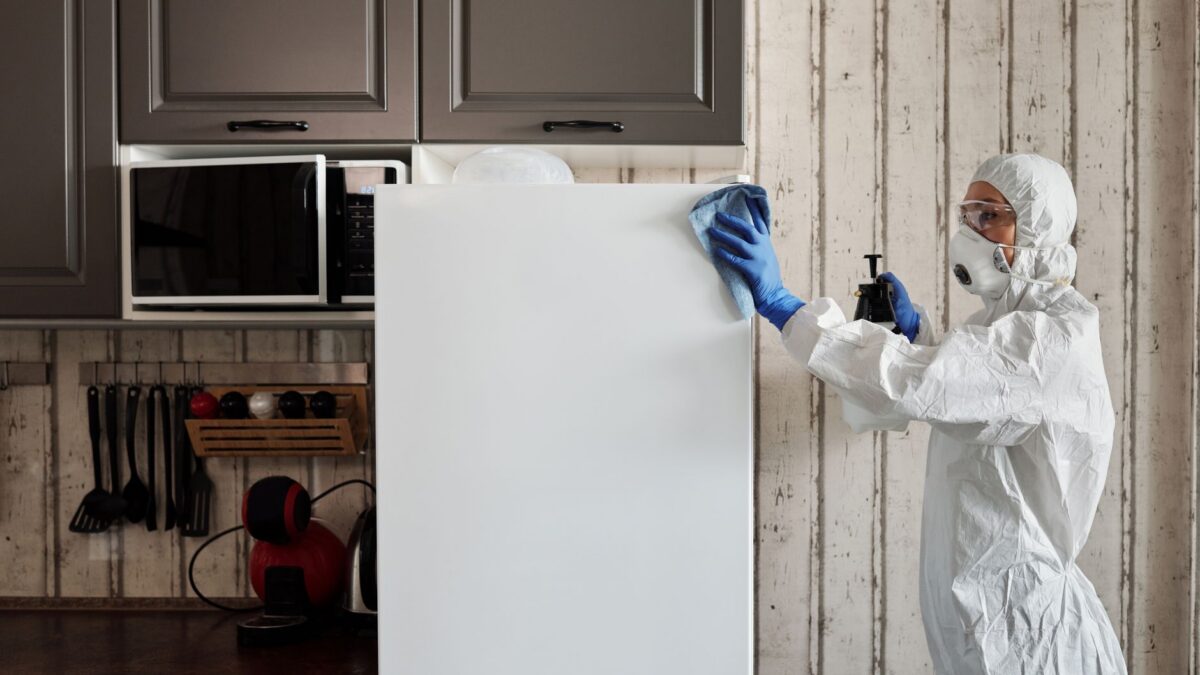
Start with warm water and a few drops of dish soap on a soft cloth or sponge, wrung out until just damp. Dish soap is made to break down cooking grease, and on most finishes that is all you need, followed by a clean-water wipe and a thorough dry. For stubborn, gummy buildup, step up to a baking soda paste or a diluted degreaser, but test on a hidden spot first and never soak the wood.
Why cabinets get sticky
Cooking releases fine droplets of oil that drift up and settle on nearby surfaces, especially cabinets above and beside the range. The oil holds dust, which oxidizes into a tacky, darker film over months. Areas near handles also collect skin oils. The longer it sits, the harder it is to remove, so a quick monthly wipe saves a big scrub later.
What you need
- Liquid dish soap and warm water
- Soft microfiber cloths or a non-scratch sponge
- Baking soda (for a gentle paste)
- A soft toothbrush for corners, trim and hardware
- A dry towel
- Optional: a commercial degreaser labeled safe for your cabinet finish
- Gloves
Step by step: the basic method
- Test first. Try your solution inside a door or on the back of a side panel.
- Mix a few drops of dish soap into a bowl of warm water.
- Wipe with a damp cloth, not a wet one. On wood, follow the grain.
- Let it sit for a minute on sticky areas so the soap can loosen the grease.
- Wipe again, rinsing the cloth often so you aren’t spreading grease around.
- Rinse with a cloth dampened in clean water to remove soap residue.
- Dry immediately with a towel.
For stubborn buildup
- Baking soda paste: mix baking soda with a little water. Apply with a soft cloth or toothbrush, rub gently, then wipe and rinse. It is mildly abrasive, so use light pressure and avoid it on high-gloss finishes.
- Diluted degreaser: choose one whose label lists your cabinet material. Spray onto the cloth, not the cabinet, so it doesn’t run into joints.
- Repeat rather than scrub hard. Two or three gentle passes do less damage than one aggressive one.
Cleaning by cabinet finish
| Finish | Best approach | Avoid |
|---|---|---|
| Stained or clear-coated wood | Dish soap solution, damp cloth, wipe with the grain, dry right away | Soaking, abrasive pads, ammonia or strong solvents that can cloud or soften the finish |
| Painted | Dish soap solution; very gentle baking soda paste on stubborn spots | Scouring, magic erasers on satin or gloss paint (can burnish), strong degreasers that dull paint |
| Laminate | Dish soap or a mild all-purpose cleaner; baking soda paste for spots | Excess water at edges and seams, which can make the core swell |
| Thermofoil (vinyl-wrapped) | Mild soap and water; follow the maker’s care guide | Heat sources and solvent-based cleaners, which can loosen or discolor the wrap |
| High-gloss lacquer or acrylic | Soft microfiber with mild soapy water | Any abrasive, including baking soda |
| Metal or glass panels | Dish soap solution, then glass cleaner on glass only | Abrasives on brushed stainless |
If you don’t know your finish, check the cabinet maker’s paperwork or the inside of a door for a label. When in doubt, treat it as the most delicate type.
A word on vinegar and other home remedies
A splash of white vinegar in water is a popular grease cutter, but it is acidic. It may dull some wood finishes, so test first and rinse. Don’t combine methods on the same cloth, and never mix bleach with ammonia, vinegar or other acids, which releases toxic gases. Bleach doesn’t help with grease anyway. If someone is exposed to a cleaning product, call Poison Control at 1-800-222-1222 (US).
Oil soaps and furniture polishes can make wood look richer, but they can also leave a residue that attracts new grease. Use them sparingly, if at all, once cabinets are clean.
Hardware, edges and the top of the cabinets
- Handles and knobs: remove them and soak in warm soapy water, scrub with a toothbrush, dry and reinstall.
- Door edges and profiles: use a toothbrush with the soap solution to reach grooves.
- Cabinet tops: often the greasiest spot in the kitchen. After cleaning, some people lay a sheet of wax paper or paper liner on top to catch future grease and swap it periodically.
Preventing buildup
- Run the range hood whenever you cook. The EPA’s tips for cleaner air while cooking suggest a hood vented outdoors, leaving it on for 10–20 minutes after cooking, and using the back burners, which the hood captures better.
- Clean the hood filters regularly. Metal mesh or baffle filters can usually be soaked in hot, soapy water; check your hood manual.
- Use lids and splatter screens when frying.
- Wipe monthly near the stove with a damp soapy cloth before grease hardens.
Planning to repaint rather than just clean? Thorough degreasing is the most important prep step; see how to paint kitchen cabinets. The same degreasing approach applies to the ceiling above the stove, covered in how to clean a ceiling before painting.
When cleaning isn’t enough
If the finish is already worn through, cloudy, peeling (thermofoil) or sticky even after cleaning, the coating itself may be breaking down. At that point, options include refinishing, repainting or replacing doors. A cabinet refinisher can assess whether the doors can be stripped and recoated.
Bottom line
Dish soap, warm water and a damp, not wet, cloth handle most cabinet grease. Test first, dry immediately, and match any stronger product to your finish. Running the range hood and wiping monthly keeps the sticky film from coming back.
FAQ
What is the best degreaser for wood cabinets?
A mild dish soap solution is the safest start. If you need more, choose a product labeled for finished wood and test it inside a door first.
Can I use a magic eraser on cabinets?
Melamine sponges are mildly abrasive. They can dull satin and gloss paint or clear coats, so test in a hidden spot and use very light pressure.
How often should I clean kitchen cabinets?
Wipe the cabinets nearest the stove about monthly, and give all cabinets a full cleaning a few times a year.
Why are my cabinets still sticky after cleaning?
Usually soap residue or grease spread by a dirty cloth. Rinse with clean water and a fresh cloth, then dry.