How to Shut Off Water to Your House: Find the Main Valve Before You Need It
When a pipe bursts, every minute counts. Knowing where your main valve is, and that it actually turns, can save thousands in water damage.
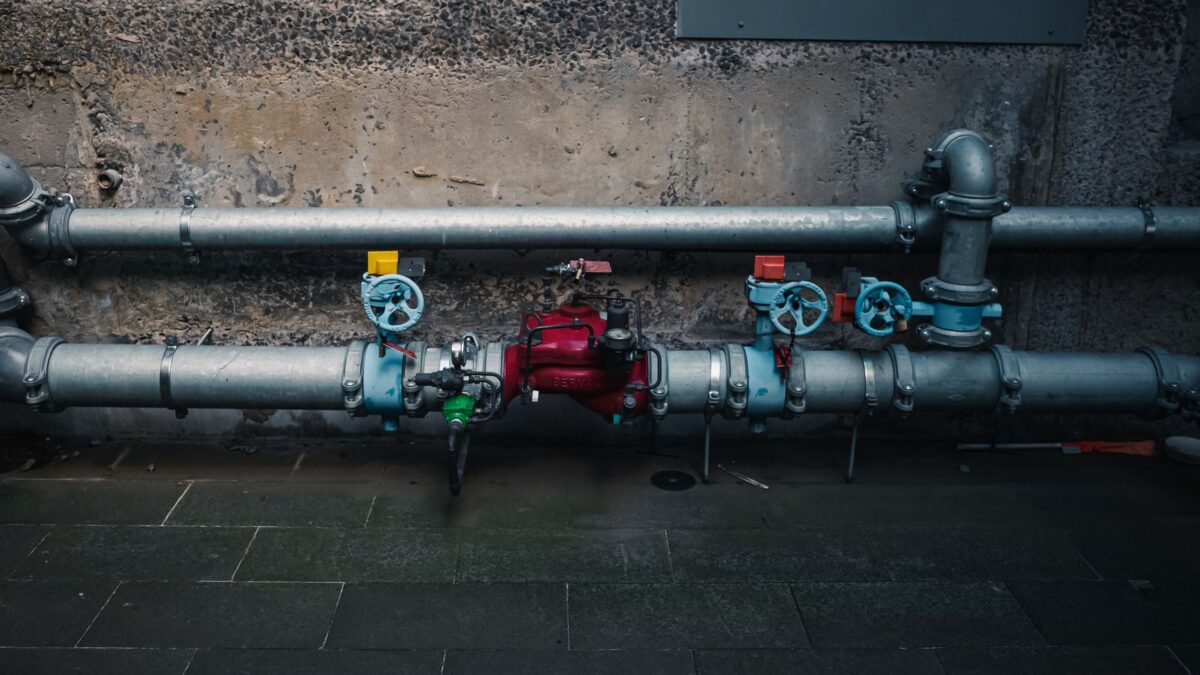
To shut off water to your whole house, find the main shut-off valve, usually where the water line enters the home, and turn it off: a lever handle (ball valve) gets a quarter turn so it sits crosswise to the pipe, and a round wheel handle (gate or globe valve) turns clockwise until it stops. Then open a faucet on the lowest floor to drain pressure. Find and test the valve now, not during a flood, and if you cannot locate it or it will not turn, call your water utility or a plumber.
Where the main shut-off valve usually is
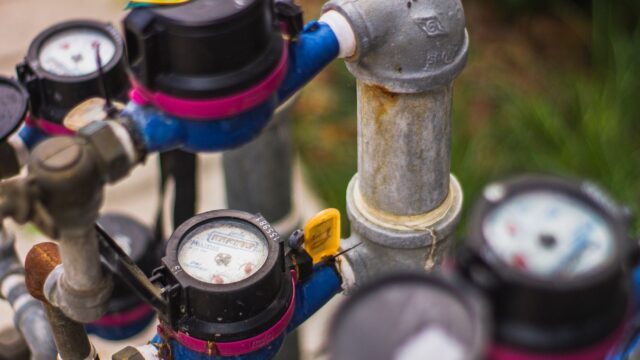
The main line comes from the street, passes the water meter and enters the house. The main valve is typically on that line just after it comes through the foundation or slab. Common spots:
- Basement: on the wall facing the street, often near the water meter.
- Crawl space: near the foundation wall facing the street.
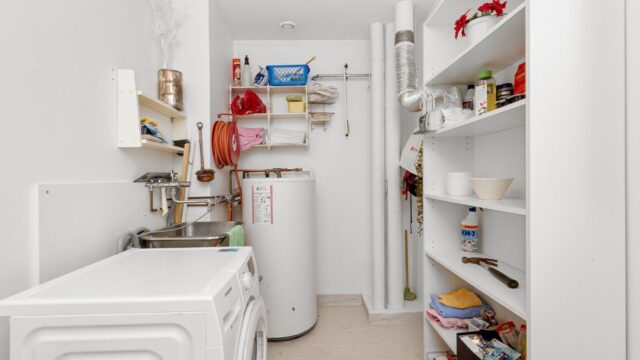
- Slab homes: in a garage, utility closet, laundry room or near the water heater.
- Warm climates: sometimes outside on an exterior wall or in a box near the foundation.
- Condos and apartments: often a valve for your unit in a utility closet, under the kitchen sink or near the water heater; ask building management.
Other clues: your home inspection report usually notes the main valve location, and the meter box at the curb shows the direction the line runs toward the house.
Valve types and how to close them
| Valve type | What it looks like | How to shut off |
|---|---|---|
| Ball valve | Straight lever handle | Quarter turn so the lever is perpendicular to the pipe |
| Gate valve | Round wheel handle, often older homes | Turn clockwise until snug; several turns; do not force |
| Globe or stop valve | Round or oval handle on a valve with a bulge | Turn clockwise until snug |
| Meter or curb valve | At the meter or in a box near the street | Usually needs a special key; many utilities ask that only they operate it |
Older gate valves can seize or break internally after years untouched. If one will not move with firm hand pressure, stop rather than using a long wrench, which can snap the stem or crack the pipe. Call a plumber to replace it with a ball valve.
Step-by-step: shutting off water in an emergency
- Stay safe. If water is near outlets, appliances or the electrical panel, do not walk through it. Shut off power at the main breaker only if you can reach the panel while standing in a dry spot; otherwise call the utility or an electrician.
- Close the main valve as described above.
- Open the lowest faucet in the house and a tub spout to drain water out of the pipes and relieve pressure.
- Protect the water heater. If you will be without water for a while or are draining the system, follow the maker’s instructions; many say to switch an electric heater off at the breaker or set a gas heater to “vacation” or “pilot” so it does not heat with low water.
- Call a plumber for a burst or leaking pipe, and your insurer if there is significant water damage. Photograph the damage before cleanup.
Fixture valves: you may not need the main
Many leaks can be stopped closer to the source, letting the rest of the house keep water:
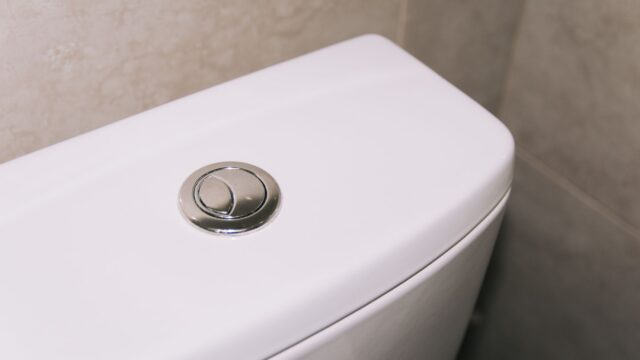
- Toilets: an oval handle on the wall or floor behind the bowl. Useful while you fix a running toilet.
- Sinks: two valves under the sink, one hot and one cold.
- Refrigerator ice maker: a small valve behind the fridge or under the sink; see disconnecting a refrigerator water line.
- Water heater: a valve on the cold-water inlet pipe at the top of the tank.
- Washing machine: hot and cold valves on the wall box behind it.
Test your main valve now
- Find the valve and make sure you can reach it. Clear stored boxes away from it.
- Turn it off, then open a faucet to confirm water stops (a trickle may continue as pipes drain).
- Turn it back on slowly to avoid a pressure surge, then close the faucet.
- Check the valve for drips at the stem. A small stem leak on a gate valve is a sign it should be replaced.
- Tag the valve so everyone in the home can find it.
Exercising the valve once or twice a year helps keep it working. Keeping a basic kit nearby also helps; our basic tool kit for home repairs lists what is worth owning.
Turning the water back on
- Close the faucets you opened, except one at the highest point in the house.
- Open the main valve slowly, part way at first.
- Let air sputter out of the open faucet, then close it once water flows steadily.
- Check the repair and fixtures for leaks.
- Restore the water heater to normal operation once the tank is full, per its manual.
When to call a pro or the utility
- You cannot find the main valve, or the house has none.
- The valve is stuck, leaking or broken.
- Water is still flowing after you closed the valve, which can mean a failed valve or a leak on the street side; your utility can shut off at the curb.
- Water is near electrical equipment.
The EPA’s WaterSense Fix a Leak Week page has more on finding and stopping household leaks.
Bottom line
Learn where the main shut-off is and test it before an emergency. Lever valves close with a quarter turn; wheel valves turn clockwise until snug. Do not force seized valves, use fixture valves for small leaks, and call a plumber or the utility when the main will not cooperate.
FAQ
Can I turn off the water at the meter myself?
Some utilities allow it, many do not, and curb valves often need a special key. Call your utility first unless it is a true emergency and their rules allow it.
Should I turn off the water heater when I shut off the water?
For a short shut-off it is usually not necessary. For longer outages or draining pipes, follow your heater’s manual, which often recommends turning it off or to vacation mode.
Why is water still dripping after I closed the valve?
Pipes take a while to drain. If flow continues for more than a few minutes, the valve may not seal fully and should be inspected.
Should I shut off the water when I go on vacation?
Many insurers and plumbers suggest it for longer trips, as it limits damage from a burst pipe or failed hose while you are away.