How to Find a Water Leak in Your House: The Meter Test and Where to Look
Hidden leaks show up as high bills, musty smells and stains long before you see a drip. A water meter and a little detective work can find most of them.
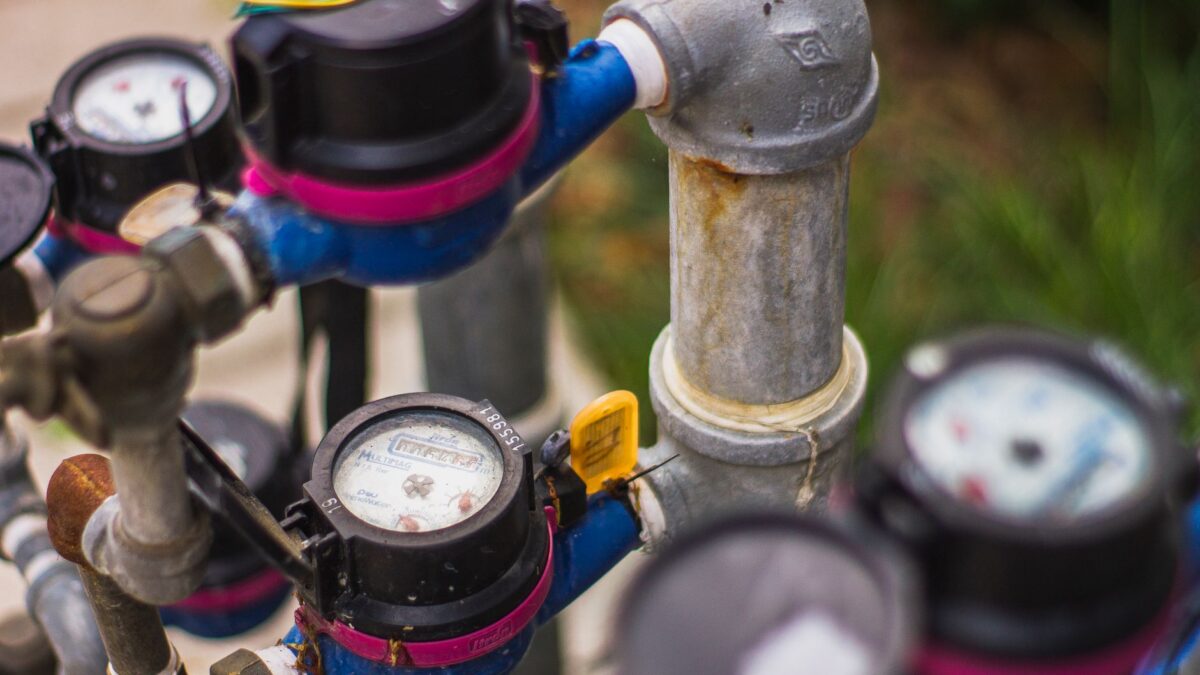
The fastest way to find out whether you have a water leak is the meter test: turn off every faucet and water-using appliance, note the reading on your water meter, wait two hours without using any water, and read it again. If it has moved, water is leaking somewhere. Then check the most common culprits, starting with toilets, which you can test with a few drops of food coloring. Leaks near electrical outlets, panels or ceilings need prompt attention; shut off the water and call a plumber if you cannot stop them.
EPA’s WaterSense program estimates that household leaks waste thousands of gallons per home each year on average, mostly from worn toilet flappers, dripping faucets and leaking valves, many of which are simple to fix.
Signs you might have a leak
- A water bill that jumps without a change in habits
- The sound of running water when nothing is on
- Musty smells, mold or peeling paint
- Stains on ceilings or walls, warped flooring or loose tiles
- Unusually green or soggy patches in the yard
- Warm spots on a floor (possible hot-water leak under a slab)
- Lower water pressure than usual
Step 1: The meter test
- Find the meter. Usually in a box near the street or sidewalk, sometimes in a basement or on an exterior wall. Use caution lifting the lid; insects and sharp edges are common.
- Stop all water use. Turn off faucets, make sure the dishwasher, washing machine, ice maker, irrigation and water softener are not running.
- Check the leak indicator. Many meters have a small triangle, star or dial that spins with even tiny flows. If it is moving, water is flowing.
- Write down the reading, wait two hours with no water use, and read it again.
Any change suggests a leak. To narrow it down, close the house’s main shut-off valve (see how to shut off water to your house) and watch the meter again. If it still moves, the leak is likely in the service line between the meter and the house. If it stops, the leak is inside the house or on fixtures beyond the valve.
Step 2: Check the usual suspects
Toilets
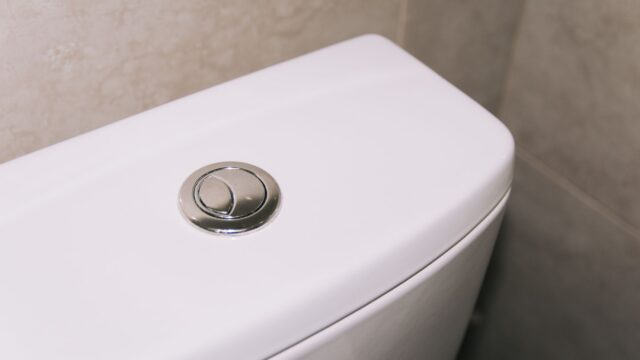
Add a few drops of food coloring to each tank without flushing. If color shows up in the bowl within about 10 minutes, the flapper is leaking. Flush afterward. Our guide on how to fix a running toilet covers the repair. Also look for water at the base and the supply line.
Faucets and showerheads
Check for drips at the spout and around handles. Look under sinks with a flashlight for wet cabinet floors, swollen wood or drips at supply lines, valves and drain connections.
Appliances
- Refrigerator: ice maker and water dispenser lines, plus the defrost drain pan. See refrigerator leaking water on the floor.
- Dishwasher: the door gasket, supply and drain hoses; our guide to a dishwasher leaking from the bottom of the door has the checks.
- Washing machine: rubber hoses can bulge or crack with age. Braided steel hoses are a common upgrade.
- Water heater: drips at fittings, the drain valve or a pipe from the temperature-and-pressure relief valve. A leak from the tank body itself usually means replacement.
- Water softener and filters: a softener stuck in regeneration can run water to the drain continuously.
Outdoors
- Hose bibs that drip, and hoses left connected in freezing weather
- Irrigation systems: broken heads, leaking valves or a controller running at odd hours
- Pool and fountain auto-fill valves
Step 3: Look for hidden leaks
If fixtures check out but the meter still moves:
- Check ceilings below bathrooms and walls behind showers for stains or soft drywall.
- Inspect the basement or crawl space for damp spots, drips along pipes or puddles.
- Listen at walls late at night when the house is quiet.
- Compare your water use in winter with the rest of the year. EPA notes that a family of four using more than about 12,000 gallons a month in winter likely has a serious leak.
| Clue | Possible source | Who fixes it |
|---|---|---|
| Dye in toilet bowl | Flapper | DIY |
| Drips under sink | Supply line, valve or trap | DIY or plumber |
| Meter moves with main valve closed | Service line | Plumber; ask utility which side is yours |
| Ceiling stain under bathroom | Shower pan, drain or supply pipe | Plumber |
| Warm spot on slab floor | Hot-water line under slab | Plumber with leak detection |
| Soggy yard strip | Service or irrigation line | Plumber or irrigation pro |
Safety notes
- Do not touch electrical outlets, switches or panels if they are wet or you are standing in water.
- Water stains on ceilings can mean saturated drywall; stay out from under bulging areas.
- Dry wet materials quickly to limit mold growth, and call a pro for large or long-standing water damage.
When to call a pro
Call a licensed plumber for leaks inside walls, under slabs, in the service line or at the water heater tank. Many plumbers offer leak detection with acoustic or thermal tools. Your utility can often confirm whether a leak is on its side of the meter. EPA’s WaterSense Fix a Leak Week page has more tips.
Bottom line
Use the meter to confirm a leak, the main valve to narrow down where it is, and food coloring to test toilets. Then check faucets, appliances and outdoor lines. Most leaks are small, cheap fixes; hidden leaks in walls, slabs and service lines are for a plumber.
FAQ
How do I know if my water bill is too high?
Compare it with the same month last year and with your winter use. A jump without new habits is a leak warning.
Who pays to fix a leak in the service line?
It depends on where the leak is. In many areas the homeowner is responsible from the meter to the house. Ask your utility.
Can a small drip really matter?
Yes. A steady faucet drip adds up over a year, and slow leaks inside walls can cause rot and mold long before you see them.
Will homeowners insurance cover a leak?
Policies vary. Sudden damage is often treated differently from slow, long-term leaks. Check your policy and call your insurer.