Basic Tool Kit for Home Repairs: The Essentials and What Each One Does
You do not need a garage full of tools to handle most small repairs. A compact kit covers the jobs that come up again and again.
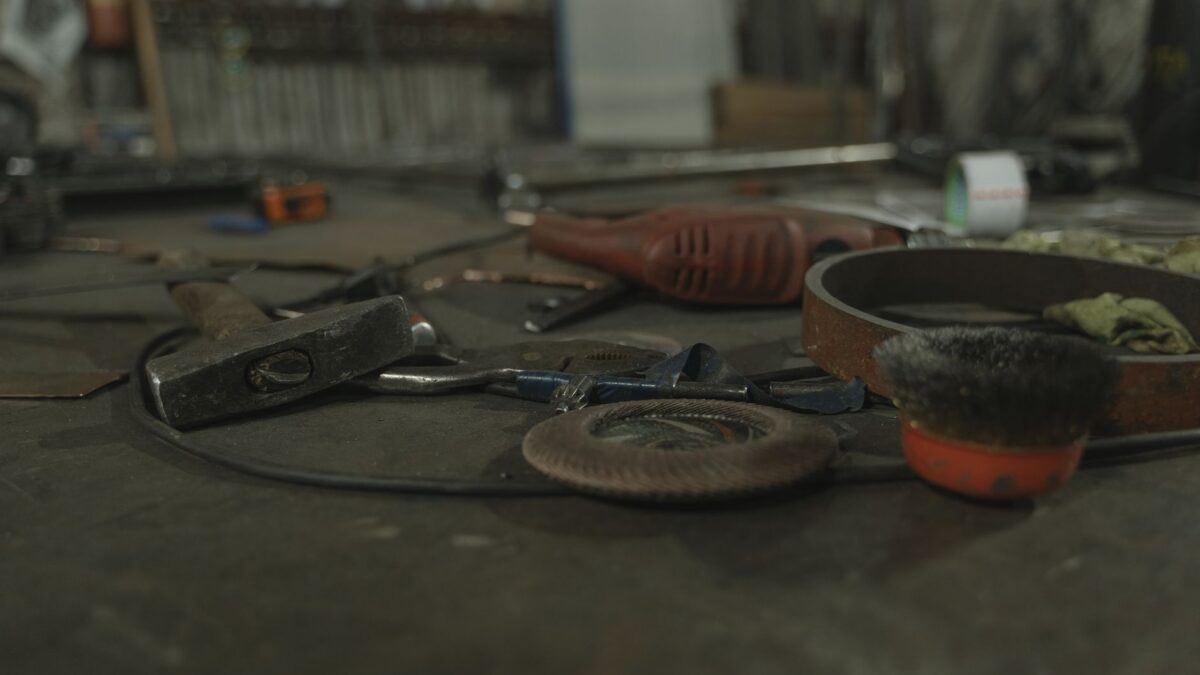
A good basic tool kit for home repairs covers measuring, fastening, gripping, cutting and testing: a tape measure, a multi-bit screwdriver, a claw hammer, an adjustable wrench, two kinds of pliers, a utility knife, a level, a cordless drill/driver, a flashlight and a non-contact voltage tester, plus safety glasses and gloves. That set handles most everyday fixes, from tightening hinges to swapping a toilet flapper. Buy mid-range quality for the tools you will use most, and rent or borrow the rest when a job calls for them.
The core kit
| Tool | What it is for | Buying tip |
|---|---|---|
| Tape measure (25 ft) | Measuring for furniture, appliances, shelves and parts | A wide blade that stands out farther is easier to use alone |
| Multi-bit screwdriver | Phillips, flat and other common bits in one handle | Look for one that stores bits in the handle |
| Precision screwdriver set | Small screws on electronics, glasses, battery covers | Inexpensive sets are fine for occasional use |
| Claw hammer (around 16 oz) | Nails, picture hangers, light demolition | Choose a comfortable grip and weight |
| Adjustable wrench (8 to 10 in) | Nuts on faucet supply lines, appliance feet, bolts | Smooth jaw adjustment matters more than brand |
| Tongue-and-groove pliers | Gripping pipes, slip nuts under sinks | Often called by a brand name; get a medium size |
| Needle-nose pliers | Small parts, bending wire, retrieving dropped screws | Built-in wire cutter is useful |
| Utility knife | Opening boxes, cutting caulk, scoring drywall | Retractable blade and spare blades |
| Torpedo or 2-ft level | Hanging shelves and pictures, leveling appliances | Magnetic edges help on metal |
| Cordless drill/driver | Drilling holes, driving screws, assembling furniture | Get a second battery and a basic bit set |
| Flashlight or headlamp | Under sinks, behind appliances, in breaker panels | A headlamp keeps both hands free |
| Non-contact voltage tester | Checking whether a wire or outlet is live before you touch it | Test it on a known live outlet before each use |
Plumbing extras
- Flange plunger for toilets and a flat cup plunger for sinks.
- Toilet auger for clogs a plunger cannot clear.
- Thread seal tape (PTFE) for threaded connections such as shower arms.
- Small bucket and old towels for any job under a sink.
- Hex (Allen) keys, including the one that fits your garbage disposal’s unjamming socket, often stored under the sink.
These cover jobs like fixing a running toilet or cleaning an aerator when you have low water pressure at the kitchen faucet.
Wall and finishing extras
- Stud finder for hanging heavy items safely
- Putty knife (flexible, 1.5 to 3 in) and lightweight spackle for nail holes
- Caulk gun for sealing tubs, sinks and trim
- Painter’s tape and a few sanding sponges
- Assorted fasteners: screws, wall anchors, picture hooks, cable ties
- Penetrating lubricant for squeaky hinges and stuck bolts
Safety gear belongs in the kit
- Safety glasses: for drilling, hammering, cutting and anything overhead.
- Work gloves and a box of nitrile gloves for messy or chemical jobs.
- Dust masks or respirators rated for the job (for example, N95 for nuisance dust). Sanding old painted surfaces in homes built before 1978 needs lead-safe practices; see EPA’s lead guidance.
- Hearing protection for loud power tools.
- A sturdy step ladder rated for your weight plus tools. Read its label and do not stand on the top cap.
Know your house as well as your tools
A tool kit is only half of being ready. Before you need them, find and label:
- Your main water shut-off and the fixture valves; see how to shut off water to your house.
- Your breaker panel and what each breaker controls; see how to reset a tripped breaker.
- Your gas shut-off, if you have gas. If you ever smell gas, leave the home and call the gas utility or 911 from outside.
- Model numbers of major appliances, so you can look up manuals and parts quickly.
What to rent or skip at first
- Rent: wet tile saws, floor sanders, drywall lifts, pressure washers and long extension ladders. They are expensive and rarely needed.
- Skip until needed: large socket sets, oscillating multi-tools, circular saws. Buy them when a specific project calls for them.
- Avoid: very cheap all-in-one kits with soft metal screwdrivers and flimsy pliers. A smaller set of decent tools beats a large set that strips screws.
Storing the kit
A sturdy tool bag or box keeps everything in one place, which matters most in an emergency. Keep the flashlight, voltage tester and plunger where you can grab them quickly. Store batteries charged, blades covered and chemicals separate and out of reach of children.
When tools are not enough
Owning the right tools does not make every job DIY. Electrical work beyond replacing a device on an existing circuit, gas lines, sealed refrigerant systems, structural changes and work requiring permits are for licensed professionals. Appliance manuals also note which parts are user-serviceable; DIY repairs on others can void a warranty. Never open a microwave’s cabinet; its capacitor can hold a dangerous charge even when unplugged.
Bottom line
Start with a dozen well-chosen tools that measure, fasten, grip, cut and test, plus safety glasses, gloves and a voltage tester. Add plumbing and wall-repair extras as jobs come up, rent the big stuff, and learn your shut-offs and breaker panel before you need them.
FAQ
Is a cordless drill really necessary?
Not strictly, but it saves time on furniture assembly, shelves and hardware. A drill/driver with a clutch is the most versatile first power tool.
What is a non-contact voltage tester?
A pen-sized tool that beeps or lights near live wires. It is a quick safety check, not a substitute for turning off the breaker.
Should I buy a pre-assembled tool kit?
Mid-range kits can be good value. Check that the pliers, wrench and screwdrivers feel solid, and add a voltage tester and safety glasses.
How much should a starter kit cost?
Prices vary widely by brand and store. Spreading purchases over time and buying the most-used tools first keeps costs manageable.