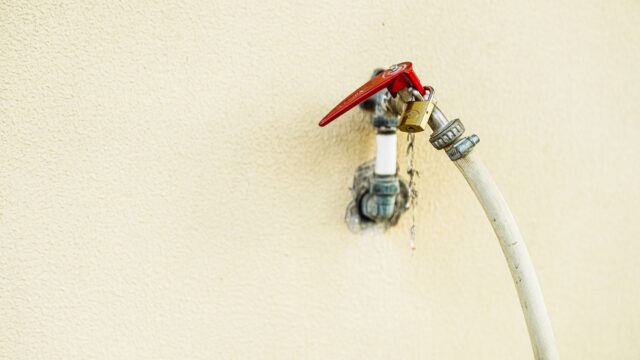
How to Replace a Fridge Water Line Valve (Inlet Valve or Shut-Off)
"Water line valve" can mean the shut-off behind the fridge or the electric inlet valve inside it. Here's how to diagnose which one is the problem and swap it safely.
"Water line valve" can mean the shut-off behind the fridge or the electric inlet valve inside it. Here's how to diagnose which one is the problem and swap it safely.
The evaporator fan moves cold air from the coils into both compartments. When it stops or squeals, here is how to check it without guessing.
A dead ice maker is usually a supply or temperature problem, not a broken part. Work through these checks in order, from the on/off switch to the inlet valve.
The safe range is simple; dials are not. Here is how to set your fridge correctly and confirm it with an inexpensive appliance thermometer.
In most frost-free fridges, the fresh-food side gets its cold air from the freezer. When that airflow stops, the fridge warms while the freezer seems fine.
The 4-hour fridge rule and the 48-hour freezer rule are the starting point. Here's how to use a thermometer, what to discard, and what you can safely refreeze.
Dusty condenser coils make a fridge run longer and hotter. Cleaning them takes about 30 minutes and a cheap brush.
Stainless steel can rust when its protective film is damaged or contaminated. Here's the gentle-first method for bare stainless, what to avoid on coated finishes, and prevention.
Estimates vary, but a standard refrigerator often lasts well over a decade. Here's what affects lifespan, the warning signs to watch, and when replacing makes more sense than repairing.
Most refrigerator repairs are fan motors, controls, valves and defrost parts. Sealed-system work is the expensive exception. Here is what to expect.
We use analytics cookies to see which articles are read. No ads cookies. Privacy policy