What to Do With Food After a Power Outage: Keep, Refreeze or Toss
The 4-hour fridge rule and the 48-hour freezer rule are the starting point. Here's how to use a thermometer, what to discard, and what you can safely refreeze.
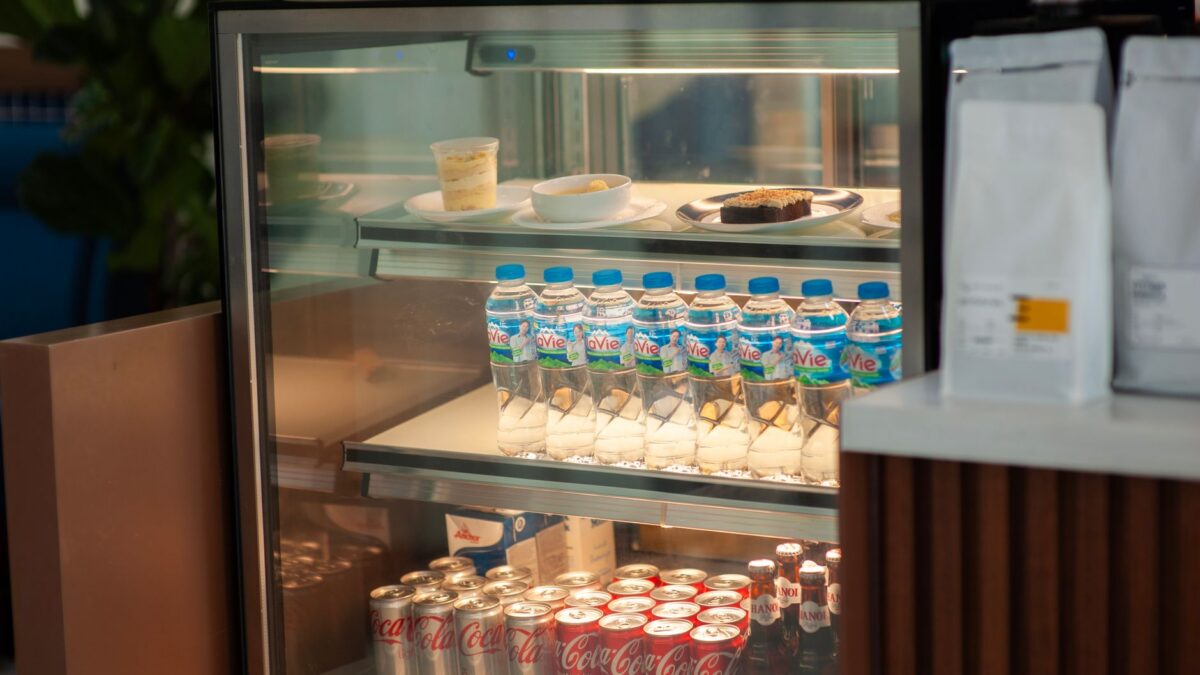
Keep the doors closed. According to federal food safety guidance, a refrigerator keeps food safe for about 4 hours without power if the door stays shut, a full freezer holds its temperature for about 48 hours (about 24 hours if half full), and perishable refrigerated food such as meat, poultry, seafood, milk, eggs and leftovers should be thrown out after 4 hours without power or a cold source. Frozen food that still has ice crystals or is at 40°F (4°C) or below can be refrozen. When in doubt, throw it out; never taste food to decide.
During the outage
- Keep the fridge and freezer doors closed as much as possible.
- Note the time the power went out.
- Put appliance thermometers in both compartments if you have them. Food is safe in the fridge at 40°F (4°C) or below and in the freezer at 0°F (−18°C).
- If the outage may run long, use coolers with ice or frozen gel packs for perishables, or buy block ice or dry ice for the freezer. Handle dry ice with gloves and ventilate; it releases carbon dioxide.
- Group frozen foods together; they stay colder that way.
- Use generators safely. Run them outdoors only, well away from windows and doors, to avoid carbon monoxide poisoning.
After the power comes back
- Check the thermometer readings in the fridge and freezer.
- If you don’t have thermometers, use a food thermometer to check individual items. Check each package; don’t judge by smell or appearance.
- Decide item by item using the guide below.
- Clean spills and wipe shelves before restocking. If odors linger, see how to remove odors from a refrigerator or, for the freezer, freezer smells bad even after cleaning.
Refrigerator: keep or toss
If the fridge stayed at 40°F or below, food is fine. If it was above 40°F for more than 2 hours, or the power was off longer than 4 hours with no thermometer reading, follow these general rules from FoodSafety.gov and USDA charts:
| Food | Above 40°F for over 2 hours |
|---|---|
| Raw or cooked meat, poultry, seafood; deli meats; hot dogs | Discard |
| Milk, cream, yogurt, soft cheeses (brie, cottage, ricotta, shredded) | Discard |
| Eggs and egg dishes, custards, puddings | Discard |
| Leftovers, casseroles, soups, cooked pasta and rice | Discard |
| Cut fruits and vegetables, cooked vegetables, prepared salads | Discard |
| Hard cheeses (cheddar, parmesan), butter, margarine | Generally safe to keep; check the official chart |
| Whole uncut raw fruits and vegetables | Generally safe to keep |
| Condiments like ketchup, mustard, jelly, peanut butter, vinegar dressings | Generally safe; discard mayonnaise and creamy dressings kept above 50°F for over 8 hours |
The official charts list many more items and exceptions. Check the FoodSafety.gov power outage charts before throwing out food you’re unsure of.
Freezer: refreeze or toss
- Still has ice crystals or reads 40°F or below: safe to refreeze. Quality, texture and flavor may suffer, especially for fruits, vegetables and ice cream.
- Thawed and held above 40°F for over 2 hours: discard meat, poultry, seafood, casseroles, ice cream and other perishables.
- Breads, cakes without cream fillings and many fruits: often safe to refreeze even if thawed; consult the chart.
A full freezer holds cold longer than a partly empty one. Keeping a few jugs of frozen water in the freezer helps fill space and doubles as cooler ice in an outage.
Other safety points
- Don’t taste to test. Bacteria that cause foodborne illness don’t necessarily change smell or appearance.
- Floods: discard any food that touched floodwater, including food in containers that aren’t waterproof.
- Medicines: some refrigerated medicines, like insulin, may need special guidance. Ask your pharmacist or doctor.
- Baby formula and breast milk have their own guidance; check CDC and FoodSafety.gov advice.
- Reheat leftovers that you keep to safe internal temperatures, per USDA (165°F / 74°C for leftovers).
Get the fridge running again
Most fridges restart on their own when power returns. Give them several hours to cool back down before restocking a big load. If the fridge doesn’t come back to temperature within a day, reset the breaker if it tripped, check the controls haven’t reset to defaults, and see how to adjust fridge temperature. Discard the first batch of ice from an ice maker. A surge can occasionally damage control boards; if the fridge won’t run or behaves erratically, unplug it and call an appliance technician.
Be ready for the next one
- Keep an appliance thermometer in both compartments all the time.
- Keep coolers and gel packs handy.
- Know where your breaker panel is; see how to reset a tripped breaker.
- Write down medicines that need refrigeration.
Bottom line
Doors closed, note the time, and use a thermometer. Fridge food is generally safe for about 4 hours without power; a full freezer about 48 hours. Discard perishables held above 40°F for more than 2 hours, refreeze frozen food that still has ice crystals or is at 40°F or below, and when in doubt, throw it out.
FAQ
Can I refreeze thawed meat?
Yes, if it still has ice crystals or is at 40°F or below. Quality may drop. If it sat above 40°F for more than 2 hours, discard it.
Is food OK if the power was off overnight?
Fridge perishables likely aren’t if the outage lasted more than about 4 hours, unless a thermometer shows the fridge stayed at 40°F or below. Freezer food may be fine; check for ice crystals.
Does a fridge thermometer really matter?
Yes. It’s the only reliable way to know whether food stayed at a safe temperature, and it can save food you’d otherwise throw out.
What about hard cheese and butter?
Generally safe after a short outage. Check the official chart for the specific item.