How to Test a Refrigerator Evaporator Fan Motor
The evaporator fan moves cold air from the coils into both compartments. When it stops or squeals, here is how to check it without guessing.
The evaporator fan sits behind the back panel of the freezer and circulates cold air from the cooling coil. A failing fan typically shows up as a warm fresh-food section with a freezer that is still cold-ish, weak airflow from the vents, or a squeal or chirp from the freezer. You can do simple checks with the door open, but testing the motor means unplugging the fridge, removing the rear freezer panel and using a multimeter; if that is outside your comfort zone, a technician can usually confirm and replace it in one visit.
What the evaporator fan does
In most frost-free refrigerators, cold is made in one place: an evaporator coil behind the freezer’s back wall. The fan blows air across that coil and pushes it into the freezer and, through ducts and a damper, into the fresh-food compartment. If the fan stops, the coil still gets cold, but very little cold air reaches the shelves.
Common symptoms
- Fresh-food section warm; freezer softer than usual
- Little or no air from the freezer vents while the compressor is running
- Squealing, chirping, ticking or grinding from the back of the freezer
- Noise that gets louder when the freezer door is opened (some models keep the fan running)
- Frost on the back panel, which can also mean a defrost problem that is jamming the blade
These symptoms overlap with a damper or defrost fault. Our guide to a refrigerator not cooling while the freezer works covers the full sequence.
Quick checks without tools
- With the fridge running and the compressor on (you hear the hum), open the freezer door and press the door switch or light switch by hand if your model has one. On many models the fan stops when the door is open, and starts when the switch is pressed.
- Listen for the fan and feel for airflow at the freezer vents.
- If you hear scraping or see frost around the vents, the blade may be hitting ice.
If the fan does not run while the compressor runs, the motor, its wiring or the control may be at fault. If it runs but squeals, the motor bearings may be worn. For other noisy parts, see diagnosing a loud fridge by sound.
What you need
- Your model’s manual or service sheet (often tucked behind the kick plate or on the back)
- Screwdriver or nut driver
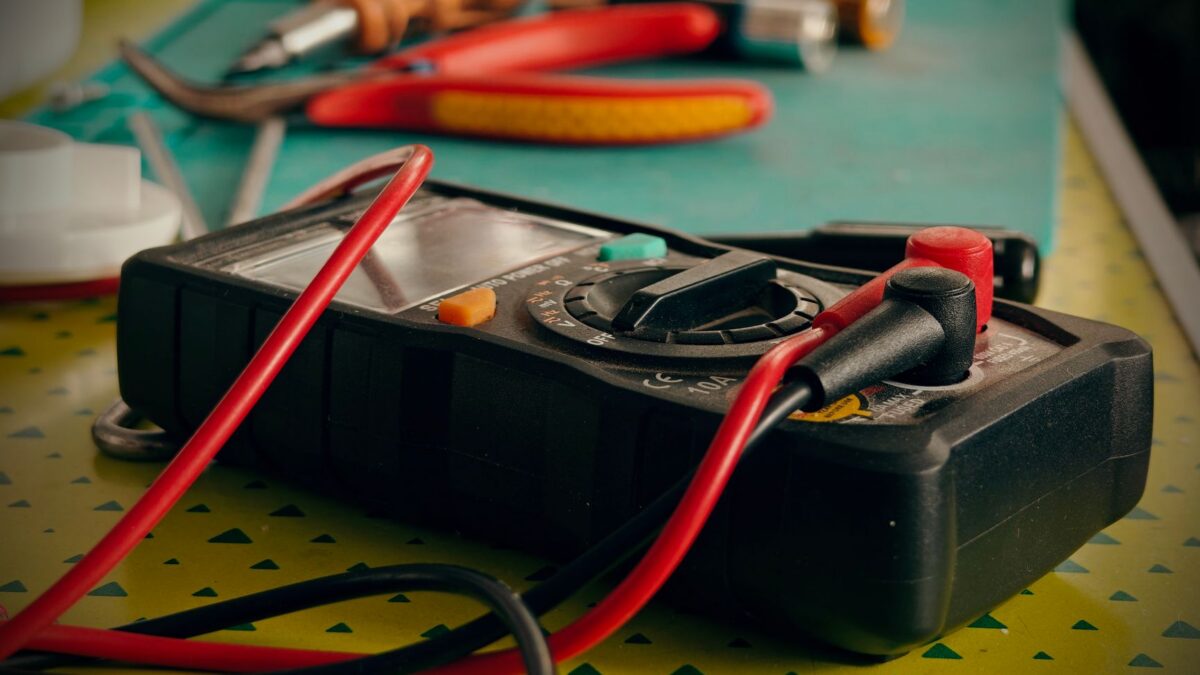
- A digital multimeter with a resistance (ohms) setting
- A cooler and towels
- Gloves; metal edges inside can be sharp
How to test the motor
Safety first: unplug the refrigerator before removing any panel. Do not rely on the door switch to stop the fan. If the fridge has a water line, keep it from being kinked when you move the unit. If you are not confident around wiring, stop here and call a technician. DIY repairs may void a warranty.
- Unplug the fridge. Move frozen food to a cooler.
- Remove shelves, the ice bin or ice maker if it blocks the rear panel, following the manual.
- Remove the screws and the rear freezer panel. Some panels have a light or wiring connector attached; disconnect it gently.
- If the coil is covered in a solid block of frost, the fan may simply be iced in. Let it thaw fully, then note that the defrost system also needs checking.
- Spin the fan blade by hand. It should turn freely without grinding. Stiffness or wobble suggests a worn motor.
- Disconnect the motor’s wire connector. Set the multimeter to ohms and touch the probes to the motor terminals.
- Compare the reading with the specification in your service sheet. An open circuit (no reading) or a reading far outside the spec suggests a failed motor.
Many newer fridges use DC or variable-speed fan motors controlled by the main board. These often cannot be checked with a simple resistance test; the service sheet may instead list a voltage check at the connector, which must be done with the fridge powered and is best left to a technician. Do not probe live connectors unless you are qualified.
Replacing the motor
If the motor is bad, order the exact part number for your model. Replacement is usually a matter of moving the blade, the mounting bracket and the connector to the new motor, then reassembling the panel. Restore power only after everything is back in place, and allow several hours for the fridge to cool down.
Typical cost
As of 2026, typical ranges reported by repair cost guides, which vary by region and model:
| Item | Typical range (US) |
|---|---|
| Fan motor part | About $20–$80; some OEM parts cost more |
| Professional replacement, parts and labor | About $130–$300 |
| Service call or diagnostic fee | Often about $75–$200, sometimes credited toward the repair |
Labor usually costs more than the part, because the panel teardown takes time. Compare with other repair costs in our guide to refrigerator repair costs.
When to call a pro
- The motor tests fine but does not run (board, wiring or control issue)
- Heavy frost keeps returning (defrost heater, thermostat or control)
- Your model uses a DC motor that needs live voltage checks
- The fridge is under warranty
Bottom line
A warm fridge, weak airflow or a squeal from the freezer often points to the evaporator fan. Do the door-switch check first, then unplug and inspect for frost and a stiff blade. A resistance test works on many AC motors, but DC motors and repeated frost problems are best handled by a technician.
FAQ
Can a fridge work without the evaporator fan?
The compressor may still run, but cold air will not circulate properly, so food warms up. Repair it soon.
Why does my evaporator fan stop when I open the door?
Many models stop the fan when the door opens to save cold air. It should restart when the door closes.
Is a noisy evaporator fan an emergency?
Not usually, but a failing motor can stop completely. Check temperatures with a thermometer until it is fixed.
How long does replacement take?
It is often a short job for a technician once the panel is off, but access varies by model.