What Not to Put in a Garbage Disposal: The Real List
The answer depends partly on your disposal. Grease is a hard no for everyone; for bones and fibrous scraps, it comes down to the model.
The answer depends partly on your disposal. Grease is a hard no for everyone; for bones and fibrous scraps, it comes down to the model.
Where the reset button is, how to press it properly, and why it keeps popping out on some disposals.
More horsepower generally means fewer jams and a wider range of scraps, but also a bigger, heavier unit. Here is how to match the spec to your kitchen.
A five-minute step that decides whether your dishwasher can drain. Here is how to do it, when to skip it, and what to do if the disposal is already installed.
A smelly disposal is almost always a cleaning problem, sometimes a drain problem, and occasionally a sign of something else. Here is how to tell which.
The sound it makes, or does not make, tells you most of what you need to know. Start with the free fixes before calling anyone.
Grease, food scraps and coffee grounds cause most kitchen clogs. Work from the free checks to the P-trap, and leave caustic drain openers on the shelf.
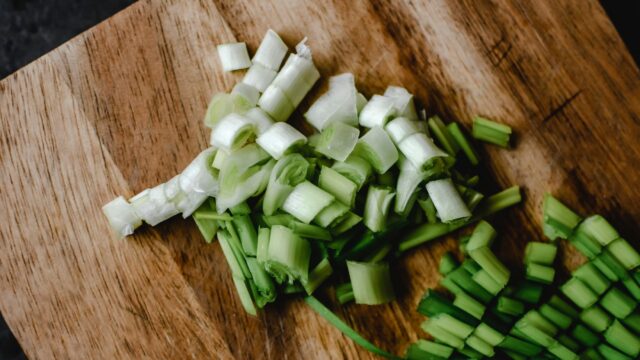
The onion itself grinds easily. It is the dry skins and the thin film under them that can slip past the grinder and collect in the trap.
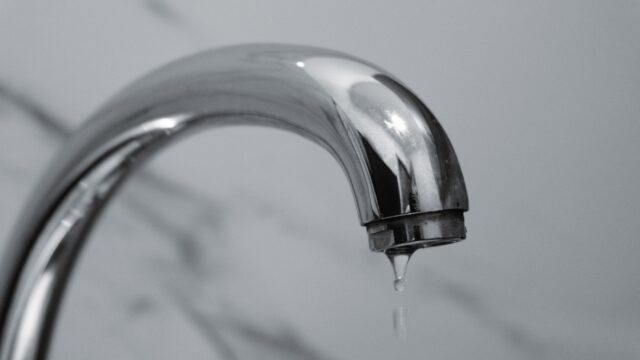
Water collects at the lowest point, so a drip from the bottom of the disposal does not always start there. Trace it from the top down.
A step-by-step overview for a typical under-sink install, including the dishwasher hookup, the electrical decisions and the points where a licensed pro makes sense.
We use analytics cookies to see which articles are read. No ads cookies. Privacy policy