How to Get the Bad Smell Out of Your Garbage Disposal
A smelly disposal is almost always a cleaning problem, sometimes a drain problem, and occasionally a sign of something else. Here is how to tell which.
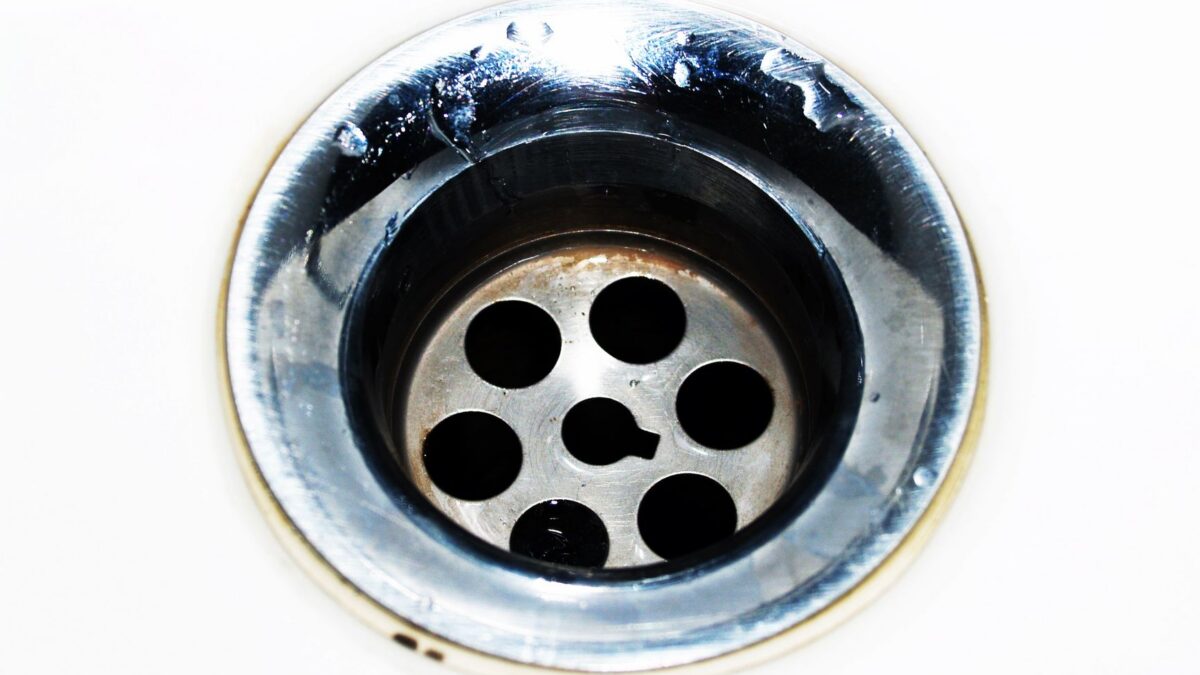
To get a bad smell out of a garbage disposal, switch off the power, scrub the underside of the rubber splash guard, then pour in about half a cup of baking soda followed by a cup of white vinegar, wait 10 to 15 minutes and flush with plenty of cold water while running the disposal. That clears most odors in under half an hour. If the smell comes back within a day or two, there is food trapped further down or a partial clog, and cleaning the top of the unit will not fix it.
Never mix vinegar with bleach or any bleach-based cleaner. Use tongs or a brush, never your hand, and unplug the disposal or turn off its breaker before reaching into the sink opening.
Where the smell comes from
| Source | Clue | Fix |
|---|---|---|
| Underside of the splash guard | Smell is strongest right at the drain opening | Remove or fold back and scrub with soapy water |
| Food stuck in the grinding chamber | Smell returns soon after cleaning | Ice flush; check for debris with a flashlight |
| Sludge in the trap or drain line | Slow draining, gurgling, smell from both sides of a double sink | Clear the trap; see the clog section below |
| Dishwasher drain backflow | Dishwasher also smells, or dirty water in its tub | Fix the high loop or air gap |
| Dry or damaged trap, or venting problem | Sewer-like smell, worse when other fixtures drain | Call a plumber |
What you need
- Baking soda and distilled white vinegar
- Dish soap
- Old toothbrush or long-handled bottle brush
- Ice cubes and coarse salt (optional)
- Flashlight and tongs
Step-by-step deodorizing
- Turn off power. Switch off at the wall and unplug the unit under the sink or turn off its breaker.
- Clean the splash guard. If it lifts out, wash it in hot soapy water. If it is fixed, fold the flaps up with a brush and scrub the underside and the upper rim of the chamber. This step alone fixes many smells.
- Look inside. Shine a flashlight into the chamber. Remove any visible chunks with tongs.
- Baking soda and vinegar. Pour about half a cup of baking soda into the drain, then a cup of white vinegar. It will fizz. The fizz itself does little cleaning, but the soak loosens film. Leave it for 10 to 15 minutes.
- Flush. Restore power, run a strong stream of cold water and turn on the disposal for about 30 seconds.
- Scour with ice (optional). Fill the chamber halfway with ice and a handful of coarse salt and grind it with cold water running. This knocks residue off the turntable and grind ring.
- Finish with a soapy rush. Fill the sink a few inches with warm soapy water, then pull the stopper and run the disposal as it drains.
For a routine that stops the smell from coming back, see how to keep a garbage disposal clean.
When the smell means a clog
If the sink drains slowly, water sits in the chamber, or the smell is strong even after scrubbing, the problem is downstream. InSinkErator’s quick test: run the disposal with water and watch for a whirlpool. A whirlpool with slow drainage points to a clogged drain line rather than a jammed disposal. Their published fix is to clean the baffle, then fill the sink halfway with warm water, add a quarter cup of baking soda, and pull the stopper while running the unit; a plunger can help if that does not work, with the other drain of a double sink stopped. The details are on their clogged disposal support page.
If plunging does not work, the trap may need to come off. Our guide on unclogging a kitchen sink walks through it. Avoid chemical drain cleaners: they can harm disposal seals and are hazardous if you later open the trap with the chemical still inside.
Check the dishwasher connection
If your dishwasher drains into the disposal and both smell, dirty water may be flowing back into the dishwasher. Look under the sink: the dishwasher hose should rise in a high loop to the underside of the counter or run through an air gap before connecting to the disposal. If it sags low, raise it. Our guide on connecting the dishwasher hose shows how.
What not to do
- Do not mix bleach with vinegar or ammonia. The combination can release toxic gas. If a chemical exposure happens, call Poison Control at 1-800-222-1222 (US).
- Do not pour boiling water down a plastic drain. Very hot water can soften some plastic pipe fittings; warm tap water is enough.
- Do not rely on citrus peels. They mask odor briefly but do not remove the source.
- Do not use the disposal as a trash can. Large loads of starchy or fibrous food leave sludge that smells. Check what not to put in a disposal.
When to call a pro
Call a plumber if you notice a sewer-gas smell (rotten eggs) rather than a food smell, if water backs up into both sinks or the dishwasher, or if the smell persists after you have cleaned the unit and cleared the trap. Those point to a venting, trap or drain line issue. If you smell natural gas anywhere in the kitchen, leave the home and call your gas utility or 911 from outside.
Bottom line
Scrub the splash guard first, then soak with baking soda and vinegar and flush with cold water. If the smell keeps coming back, look for a slow drain or a dishwasher backflow problem rather than reaching for stronger chemicals.
FAQ
Why does my disposal smell like rotten eggs?
Usually decaying food under the splash guard or in the trap. A persistent sewer smell can also mean a trap or vent issue, which a plumber should look at.
Can I use bleach to deodorize a disposal?
Some people use a small amount of diluted bleach on its own, but it is not necessary and must never be mixed with vinegar or other cleaners. Soap, baking soda and scrubbing usually do the job.
How long does the baking soda and vinegar method take?
About 15 to 20 minutes including the soak and flush.
Will a new splash guard help?
Yes, if the old one is torn or permanently stained. Replacement baffles are inexpensive; buy one that matches your disposal model.