Can You Put Onions in a Garbage Disposal?
The onion itself grinds easily. It is the dry skins and the thin film under them that can slip past the grinder and collect in the trap.
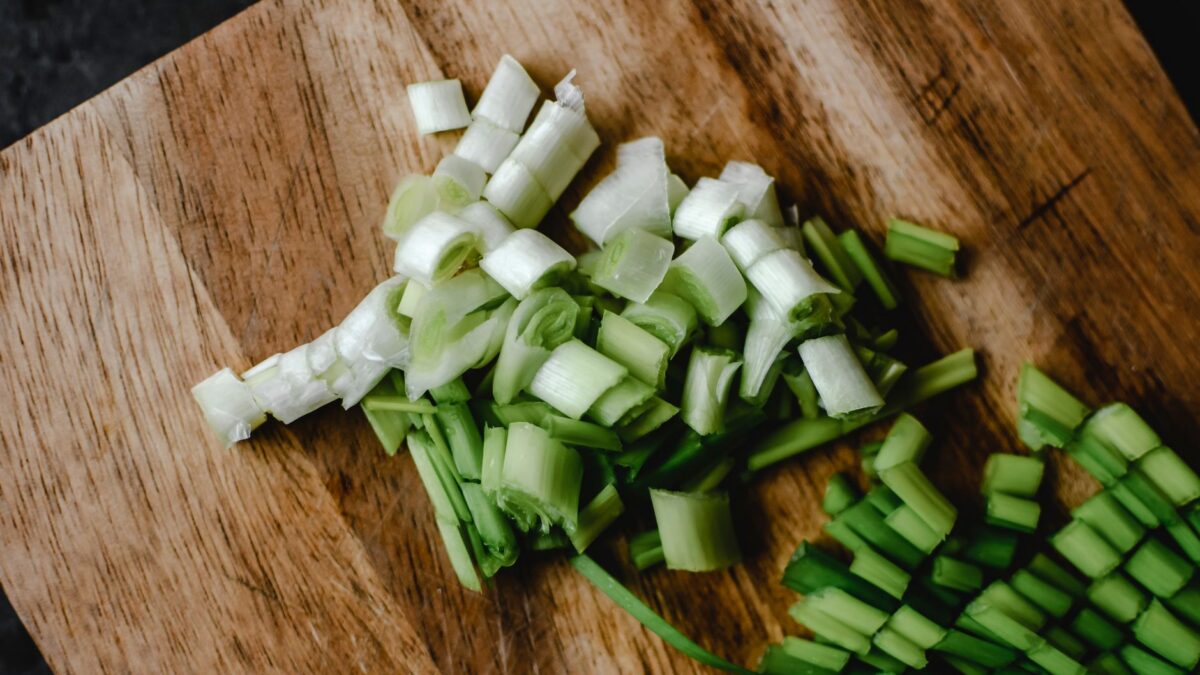
You can put small amounts of chopped onion flesh in a garbage disposal with plenty of cold water running. What you should keep out are the dry, papery outer skins and the thin, filmy membrane just under them. Those layers are so thin and flexible that the grinder cannot break them up well; they can slip past, wrap around parts or collect with other debris in the drain trap and contribute to clogs. Put skins in the trash or compost instead.
Why onion skins are a problem
A household disposal does not chop food with blades. A spinning turntable with lugs throws food against a stationary grind ring, which breaks it into small particles that wash away. That works well for dense, moist food that shatters or shreds. It works poorly for anything thin, dry and flexible.
- Dry outer skins are papery and light. They tend to float or flutter rather than being forced against the grind ring.
- The thin inner membrane, the translucent layer between the skin and the flesh, behaves like a piece of plastic film. It can pass through the grinder in sheets.
- Downstream, those sheets can catch on the trap and on other debris, especially if grease or starchy food is already lining the pipe.
A little onion skin will not instantly ruin a disposal, but regularly putting peelings down the drain is the kind of habit that leads to slow draining and odors.
How to use the disposal with onions
- Peel onions over the trash, compost bin or a paper towel, not the sink.
- Scrape leftover chopped onion into the disposal a little at a time.
- Turn on a moderate stream of cold water before switching the disposal on.
- Run the disposal until the grinding sound changes, then keep the water running a few seconds longer to carry particles through the trap.
Other foods with the same problem
Onion skins belong to a group of foods that are thin, stringy or fibrous. Grinding ability varies a lot by model, so check your manual. Major manufacturers rate their higher-end units for tougher scraps, but many basic models are not built for them.
| Food | Why it causes trouble | Better option |
|---|---|---|
| Onion skins and membrane | Thin sheets slip past the grinder and catch in the trap | Trash or compost |
| Corn husks and silk | Long, tough fibers wrap around parts | Trash or compost |
| Celery, rhubarb, asparagus ends | Stringy fibers can tangle | Compost; small amounts only in units rated for fibrous food |
| Artichoke leaves | Tough and fibrous | Trash or compost |
| Garlic skins | Papery like onion skins | Trash or compost |
| Fats, oils and grease | Coat pipes and harden | Cool, then trash |
InSinkErator’s published grind list, for example, puts celery and corn cobs only under its top-tier models. Lower-tier models are listed for softer scraps such as fruit, bread, pasta and potato peels. For the full list of what to keep out, see what not to put in a garbage disposal.
What if onion skins already went down?
Usually nothing happens. Run plenty of cold water and the disposal for 30 seconds. If you notice slower draining over the next few days:
- Switch off and unplug the disposal or turn off its breaker.
- Fill the sink halfway with warm water and add about a quarter cup of baking soda, a flush InSinkErator recommends for clearing loose particles.
- Restore power, pull the stopper and run the disposal as the water drains.
- If the sink still drains slowly, the trap may be holding debris. See how to unclog a kitchen sink.
Avoid chemical drain cleaners. They can damage disposal seals, and they are hazardous if you later open the trap. The US EPA’s septic guidance also advises against chemical drain openers.
A note on septic systems
If your home is on a septic system, go easy on the disposal in general. The EPA’s septic care guidance says to limit disposal use because food waste adds solids to the tank, which then needs pumping more often. Composting onion scraps is the easier choice for septic homes.
Simple habits that help
- Keep a small bowl or compost caddy next to the cutting board for skins, root ends and tough outer layers.
- Use a sink strainer when you rinse vegetables, so loose peel does not wash into the disposal by accident.
- Grind leftovers right after meals instead of letting a mix of scraps sit in the chamber.
- Do a weekly splash-guard scrub; our guide to keeping a disposal clean has a five-minute routine.
Does onion make the disposal smell?
Onion residue can leave a sharp smell for a while. A soapy flush with cold water clears it. If the smell lingers for days, the cause is more likely food film under the splash guard. See getting the smell out of a disposal.
Bottom line
Chopped onion is fine in small amounts with cold water running. The skins and thin inner membrane are not, so peel onions over the trash or compost. The same rule applies to other thin, papery or stringy scraps.
FAQ
Can onion skins break a garbage disposal?
They rarely break the unit itself. The bigger risk is that they collect in the trap and drain line along with other debris and cause a clog.
Are cooked onions OK in the disposal?
Small amounts of cooked onion are generally fine. If they are greasy, scrape the grease into the trash first.
What about green onions and leeks?
The tender parts are fine in small amounts. The tough, stringy outer leaves and root ends are better composted.
Should I use hot water when grinding onions?
Use cold water while grinding, as disposal makers recommend. Hot water is fine for rinsing afterwards.