Freezer Frost Build-Up: Causes and How to Defrost Safely
Freezer frost comes from moist air getting in, often past a worn door seal. See the causes, a safe defrost method and how to prevent frost coming back.
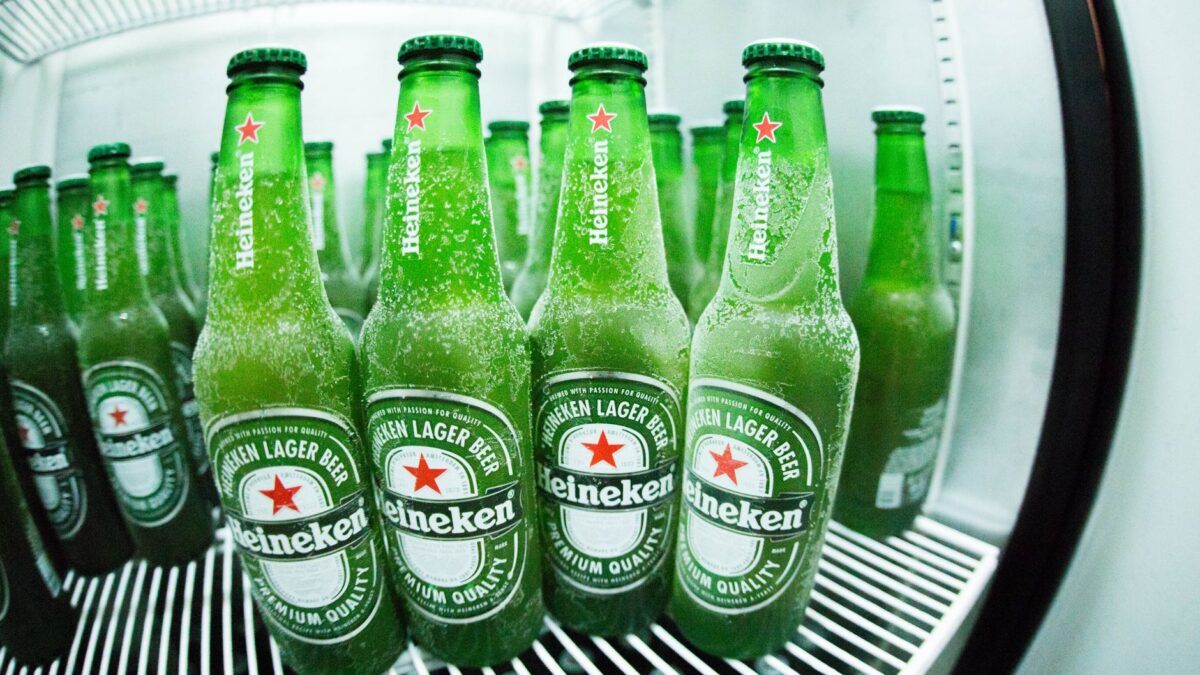
Frost builds up in a freezer when warm, humid air gets inside and its moisture freezes onto the coldest surfaces. The most common causes are a door that does not close or seal fully, a door opened too often or left ajar, and warm, wet food going in. In a manual-defrost freezer, light frost is normal and needs removing when it reaches about 1/4 inch (6 mm) thick. In a frost-free model, heavy frost points to a fault.
The safe way to defrost is to unplug the unit, move the food into coolers, let the ice melt with towels or pans catching the water, then dry the inside completely before restarting. Never chip ice with a knife or screwdriver, and never use a hair dryer near standing water.
Why does frost build up in a freezer?
Air carries water vapor, and when that air enters a freezer, the vapor turns directly into frost on evaporator coils, walls and food packaging. Every time the door opens, a fresh batch of room air comes in. A small amount over weeks is expected in a manual-defrost model, which has no heating cycle to clear it.
The usual sources of extra moisture are:
- A worn, torn or dirty door gasket (the rubber seal around the door) that lets air leak in.
- A door that does not latch because of an overfilled shelf, a crooked unit or a loose hinge.
- Frequent or long door openings, especially in a humid kitchen or garage.
- Uncovered liquids, hot leftovers or food that has not cooled before it goes in.
- A freezer that is set colder than it needs to be, which freezes more moisture out of the air.
Is frost in a frost-free freezer a problem?
Yes, thick frost in a frost-free (also called auto-defrost) freezer means something in the defrost system or the seal is failing. These models normally warm the evaporator coils briefly on a timer and drain the melted water away, so frost should not pile up on walls or the back panel.
Common culprits include a failed defrost heater, defrost thermostat or control board, and a clogged drain that lets meltwater refreeze into a block of ice at the bottom. A frost layer over the coils can also weaken airflow, which is one reason a fridge section can warm up while the freezer stays cold. If that is what you see, the guide on a refrigerator that is not cooling while the freezer works lists what to check in order. Diagnosing heaters and control boards involves live electrical parts, so a service technician is the right call once the door seal and drain are ruled out.
How do you defrost a freezer safely?
Unplug the freezer, empty it and let the ice melt naturally, which takes several hours. Plan the job for a time when you can keep food cold, and follow these steps:
- Use up as much food as you can beforehand so there is less to move.
- Unplug the freezer, or switch it off at the breaker. If it has a water drain plug, set a tray or shallow pan underneath.
- Move frozen food into coolers with ice packs, or into a neighbor’s freezer. Keep the lids closed.
- Lay towels on the floor and along the bottom of the freezer, and prop the door open.
- Put a pan of hot water inside to speed things up if you like, refreshing it as it cools. Do not pour boiling water directly onto plastic liners.
- When the ice loosens, lift it out with your hands or a plastic or wooden spatula. Metal tools can puncture the liner or the refrigerant tubing, which is a costly and often unrepairable mistake.
- Wipe the interior with a cloth dipped in warm water and a spoonful of baking soda, then rinse with clean water. Do not combine cleaning products.
- Dry every surface and the gasket thoroughly. Moisture left behind starts the next frost layer.
- Plug the unit back in and let it run until it reaches 0°F (-18°C) before restocking. This often takes a few hours.
The U.S. Department of Agriculture’s Food Safety and Inspection Service advises keeping a freezer at 0°F (-18°C) or below, and that is also the check temperature to use with an appliance thermometer after the restart.
How long can food stay out while you defrost?
Frozen food stays safe while it is still hard and cold, so the goal is to keep it frozen in a cooler. Food that has thawed and warmed above 40°F (4°C) for more than two hours should be thrown out, and the limit drops to one hour when the air temperature is above 90°F (32°C). Food that still has ice crystals or feels as cold as if it were refrigerated can usually be refrozen, although quality may drop. If you are unsure, discard it.
How do you stop frost from coming back?
Most prevention comes down to keeping moist air out and keeping the temperature steady.
- Check the gasket. Close the door on a strip of paper. If it slides out easily, the seal is weak at that spot. Clean the gasket with warm water and mild soap, and replace it if it is cracked or flattened.
- Level the unit and make sure nothing sticks out from a shelf and stops the door shutting.
- Let hot food cool, then wrap or cover it in airtight containers or freezer bags.
- Open the door less often and keep it open for short periods. A full freezer holds cold better than an empty one, so fill gaps with containers of water or ice packs if needed.
- Keep the setting at 0°F (-18°C). Colder is not needed and wastes electricity. The appliance electricity cost calculator shows what a freezer costs to run at your local rate.
- Leave a few inches of space behind and beside the unit so heat can escape, and avoid putting it next to an oven or in direct sun.
Once the freezer is clean and dry, it is also a good time to deal with odors. If they remain after wiping, hidden spots that keep a freezer smelling are covered separately.
Quick answers
How often should a manual-defrost freezer be defrosted?
Defrost it when frost on the walls reaches about 1/4 inch (6 mm), which for many households means once or twice a year. Heavy use or a humid room shortens that interval.
Can you speed up defrosting with a hair dryer?
A hair dryer is risky because it sits close to meltwater and the cord and plug are an electric shock hazard. It can also warp plastic parts. A pan of hot water, towels and patience are safer.
Does a thick frost layer raise the electric bill?
Thick ice on the walls and coils makes it harder for the freezer to move heat, so the compressor runs longer. Clearing it restores normal operation.
Should a freezer be left unplugged for long?
No. Leave it unplugged only as long as needed to melt the ice and dry the interior. If you store it empty for a long period, prop the door open slightly so mold and odor do not form.