Why Do Stainless Steel Refrigerators Dent So Easily? Causes and Prevention
Stainless steel refrigerators dent easily because the doors use a thin steel skin over foam insulation. See what causes dents, which doors resist them and how to prevent them.
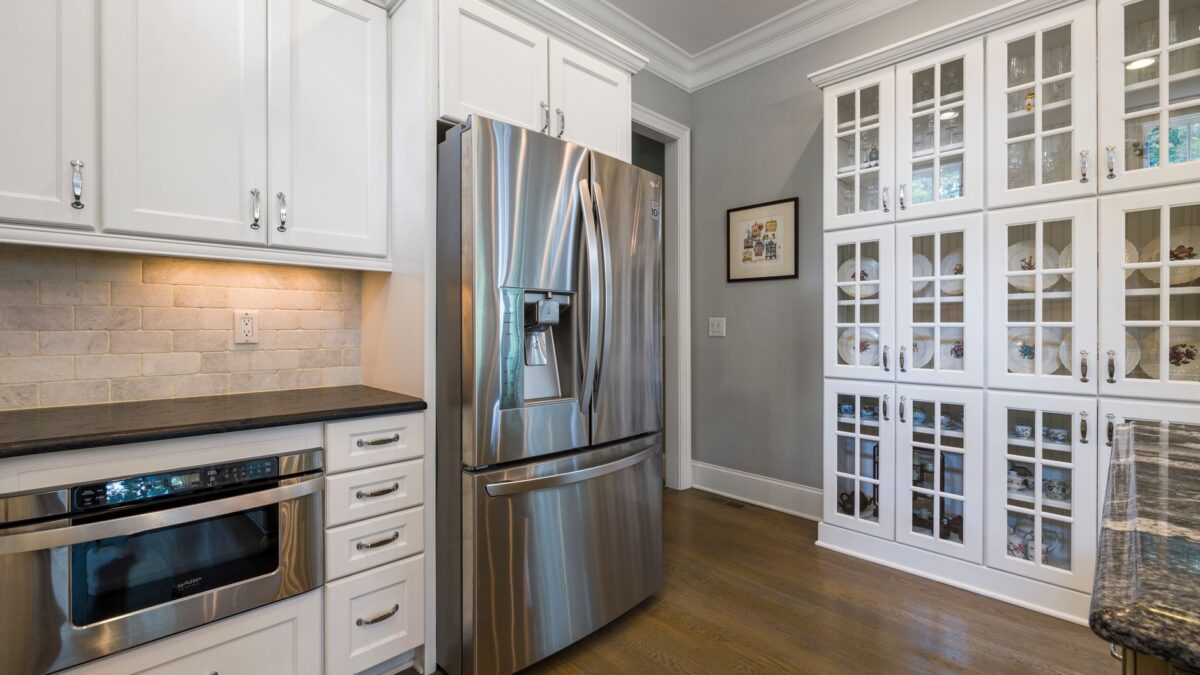
Stainless steel refrigerators dent easily because the door and side panels are a thin sheet of steel wrapped over plastic and foam insulation, so a sharp knock flexes the metal past the point where it springs back. The steel itself is hard and corrosion resistant. The weak point is the thin gauge and the large, flat, unsupported panel, which is why a toddler’s toy, a cart or a swinging chair can leave a mark that never pops out.
What is a stainless steel refrigerator door actually made of?
A stainless refrigerator door is a sandwich of several layers. The outer layer is a sheet of stainless steel, often with a brushed finish and sometimes a clear fingerprint-resistant coating. Behind it sits a cavity filled with expanded polyurethane foam, which insulates the fridge and glues the outer skin to the plastic inner liner you see when the door is open.
Manufacturers keep the outer sheet thin for practical reasons:
- Thin steel is lighter, so the hinges and door gaskets last longer and the door is easy to open.
- Steel is one of the more expensive parts of the cabinet, and a thinner sheet costs less.
- The foam behind the skin adds stiffness, so the door feels solid when you press it with a flat hand.
The foam supports the steel against slow, spread-out pressure. It does much less against a hard, concentrated impact, which compresses the foam and stretches the metal in one small spot.
Why does a small bump leave a permanent dent?
A dent forms when the steel bends beyond its elastic limit, the point after which metal no longer returns to its original shape. Thick steel spreads the force of an impact over a wider area, so it stays below that limit. A thin skin concentrates the force where it lands.
Several things make refrigerator doors especially prone to this:
- Large flat panels. Curves and folds stiffen sheet metal, and a fridge door is mostly flat surface with folds only at the edges.
- Exposed height. The lower half of the door sits right where toys, vacuum cleaners, rolling bins and feet hit it.
- Crushed foam. Once the foam behind a dent is compressed, nothing pushes the metal back out.
- Edges and corners. A hit near the door edge or handle mount can crease the metal, and creases are harder to fix than round dents.
Why do dents look so obvious on stainless steel?
Stainless steel is reflective, and a brushed finish has fine parallel lines that catch light evenly across the door. Any dent bends those lines and distorts reflections, so even a shallow ding shows up from across the room. Painted white or black doors scatter light more, which hides small dents better.
Black stainless steel and other coated finishes add a second issue. The color is a thin coating on top of the steel, so a sharp impact can both dent the metal and crack or chip the coating, which leaves a silver mark that cleaning will not remove.
Are some refrigerators less likely to dent?
Some designs resist dents better than others, although no door is dent-proof. When shopping, look at and press on these points:
- Door stiffness. Press the lower part of the door with your fingertips. A panel that flexes noticeably will also dent more easily.
- Textured or patterned finishes. Textured steel and some matte finishes hide small dents better than a smooth, mirror-like surface.
- Panel-ready models. These accept custom cabinet panels, which take impacts instead of the steel skin.
- Painted or coated steel in lighter colors, which shows dents less, if the look suits your kitchen.
Thickness of the steel is rarely listed in product specifications, so the press test in the store is often the best check you have.
How can you prevent dents on a stainless steel fridge?
Most dents come from everyday traffic in the kitchen, so prevention is mostly about distance and padding:
- Leave clearance between the fridge and chairs, stools or an island so nothing swings into the door.
- Store rolling items such as step stools, trash bins and vacuum cleaners away from the fridge.
- Keep children’s ride-on toys and balls out of the kitchen, or set a play rule for the area in front of the fridge.
- Use the handles to open and close the doors. Pushing a door shut with a hip, knee or foot puts force on one small spot.
- Consider a clear protective film for the lower door panels in busy households. Choose a film made for appliances and follow its removal instructions so it does not damage the finish.
Magnets are a separate question. Many stainless fridge doors are made from a grade of steel that is not magnetic, and the ones that hold magnets can still get small scratches from them, so keep magnets off the front if the finish matters to you.
Can a dent be fixed, and should it be?
Shallow, round dents can sometimes be pushed out or improved, while creases and dents with chipped coating usually need a new door skin or door panel from the manufacturer. Our guide to realistic options for removing dents from a stainless steel refrigerator walks through what works and when replacement makes more sense.
Avoid prying at a dent from the inside. The foam layer is bonded to the skin and the liner, and the door contains wiring on models with dispensers or displays. Drilling or cutting into a door can damage insulation and void the warranty. For warranty questions, the manufacturer’s own support site lists replacement parts by model number.
Cleaning will not hide a dent, but harsh products can add scratches around it. If you are choosing a product, see the comparison of cleaner types for a stainless steel fridge, and check whether Windex is safe on stainless steel before using glass cleaner on the doors.
Quick answers
Is stainless steel softer than other refrigerator finishes?
No. Stainless steel is a hard, strong metal. Refrigerators dent because the sheet on the door is thin and flat, and painted steel doors of the same thickness dent too, though the marks are harder to see.
Does a dent affect how well the refrigerator cools?
A cosmetic dent in the middle of a door normally does not affect cooling. A dent near the edge that bends the door frame or keeps the gasket from sealing can let warm air in, and that is worth having a technician check.
Will a dent lead to rust?
A dent on its own does not cause rust. If the impact also scratched deep into the surface or chipped a coating, that spot can collect moisture and grime and show discoloration over time.
Is fridge dent damage covered by warranty?
Most manufacturer warranties cover defects in materials and workmanship, not cosmetic damage from impacts after delivery. Dents found when the fridge arrives should be reported to the retailer or delivery company right away.