Freezer Still Smells Bad After Cleaning? Check These Hidden Spots
When a scrubbed freezer still smells, the source is usually one you cannot see: the ice maker, the defrost drain or, after an outage, the insulation itself.
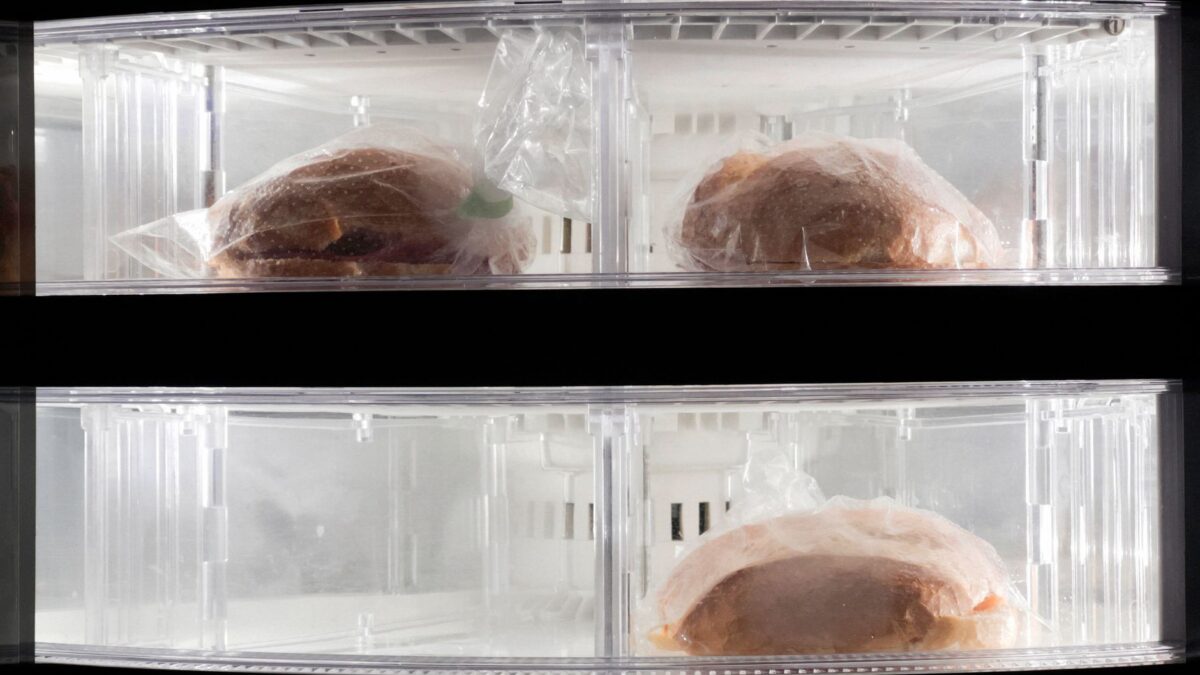
When a freezer still smells after you have wiped it out, the odor is usually coming from a hidden spot: the ice bin and ice maker, the door gasket folds, the defrost drain, or food residue behind the back panel. Odors can also cling to plastic for a while, so a deep clean followed by a few days with an absorbent such as activated charcoal often finishes the job. If spoiled food liquid soaked into the insulation after a long power outage, the smell may never fully leave, and replacement may be the realistic option.
Why a freezer keeps smelling
Cold slows odors down, but it does not stop them. Fats in meat and fish slowly oxidize, open packages pick up and pass on smells, and ice absorbs whatever is in the air. Most of all, anything that thawed and dripped during an outage leaves residue in places a quick wipe never reaches.
Hidden sources to check
| Spot | What goes wrong | Fix |
|---|---|---|
| Ice bin and ice | Old ice absorbs odors; residue builds in the bin | Dump all ice, wash and dry the bin, discard the first batches |
| Ice maker area | Spilled ice melts and refreezes with crumbs | Wipe around the unit with it switched off (see manual) |
| Door gasket | Crumbs and juice trapped in folds | Clean folds with warm soapy water and a soft brush |
| Defrost drain | Debris in the drain or trough | Usually behind a panel; see below |
| Wire baskets, rails, drawer tracks | Drips dried in corners | Remove and wash, dry fully |
| Packaging | Freezer-burned or poorly wrapped food | Sort, toss, rewrap in airtight bags |
| Insulation | Liquid seeped in during a long outage | Often not cleanable |
What you need
- A cooler with ice packs
- Baking soda, dish soap, warm water
- Soft cloths, a soft brush, towels
- Activated charcoal (odor-control type) or fresh coffee grounds
Deep clean, step by step
- Unplug the freezer or turn it off as the manual directs. Move frozen food to a cooler and keep it closed.
- Remove baskets, shelves, the ice bin and drawers. Let cold plastic and glass warm a little before washing in warm soapy water, then dry them.
- If there is frost, let it melt with towels in place; do not chip ice with knives or sharp tools, which can puncture tubing.
- Wash all interior surfaces with about 1 tablespoon of baking soda per quart of warm water. Get into corners, rails and gasket folds.
- Wipe with clean water and dry completely.
- Leave the door open for a while to air out, then restart the freezer empty.
- Put a tray of activated charcoal or fresh coffee grounds inside and run it empty for two to three days, as university extension guides suggest for persistent odors. The University of Nebraska-Lincoln extension explains this approach in its article on solving refrigerator and freezer odor problems.
Avoid harsh solvents and scented sprays, which leave their own smell. Never mix bleach with ammonia, vinegar or other acids. In case of exposure to a cleaning product, call Poison Control at 1-800-222-1222 (US).
The ice maker and ice bin
Ice is one of the first things to taste or smell off. Throw out all the ice, wash the bin, then let the ice maker run and discard the first few batches. Replace the water filter if it is due; an old filter can affect taste. If the ice maker stopped working after cleaning, check our guide to an ice maker that is not working.
The defrost drain
Frost-free freezers melt frost off the evaporator coil and send the water through a drain to a pan under the unit. On many models the drain opening is behind the rear freezer panel, which also hides the coil and fan. Food particles that reach the trough can rot there. Signs include a musty smell, ice on the freezer floor, or water under the fridge.
Removing the back panel is a moderate job: the freezer must be unplugged, and on some models the panel has wiring attached. If you are not comfortable, a technician can clear and flush the drain. Also empty and wash the drain pan under the cabinet; check the manual for its location.
After a power outage
If food thawed for a long time, decide what to keep before you clean. FoodSafety.gov advises that a full freezer keeps food safe for about 48 hours and a half-full one about 24 hours if the door stays closed, and that food with ice crystals or at 40°F or below can be refrozen. Our guide to what to do with food after a power outage covers the details.
When meat or fish juices have run under the liner or into seams, the odor can soak into the foam insulation. Extension guidance notes that in such cases cleaning may not remove the smell and the unit may need to be discarded. If the smell returns every time the freezer warms up, that is a strong sign.
When to replace instead
- The smell keeps returning after a thorough clean and several days with an absorbent.
- You can see stained or soaked seams where juices pooled.
- The freezer is old and the odor follows other problems, such as frost buildup or uneven temperatures.
Odor itself does not usually require a technician, but frost on the back wall, water leaks or temperatures above 0°F (−18°C) do. If you are cleaning the whole appliance, our general guide to removing refrigerator odors covers the fresh-food side.
Bottom line
Start with the ice, the gasket folds and the baskets, then clean the drain pan and, if needed, have the defrost drain cleared. Finish with activated charcoal in an empty, running freezer. If the smell came from a long outage and lives in the insulation, replacement is often the practical answer.
FAQ
How long does it take for a freezer smell to go away?
After a thorough clean, absorbents usually need a few days in an empty, running freezer. If it persists for weeks, look for a hidden source.
Why does my ice smell bad?
Ice absorbs freezer odors. Discard it, wash the bin, cover strong foods and replace the water filter if due.
Can a freezer smell make food unsafe?
The smell itself is usually a quality issue. Safety depends on temperature: keep the freezer at 0°F (−18°C) and follow outage guidance.
Is it safe to use bleach in a freezer?
Only diluted as the label directs, rinsed thoroughly and never mixed with ammonia, vinegar or other cleaners. Baking soda and water is usually enough.