UK Heat Pump Grant Applications Hit Record 14,286 in October
Applications for UK Boiler Upgrade Scheme grants more than tripled since June as oil prices soared. Costs, running bills and the funding cut explained.
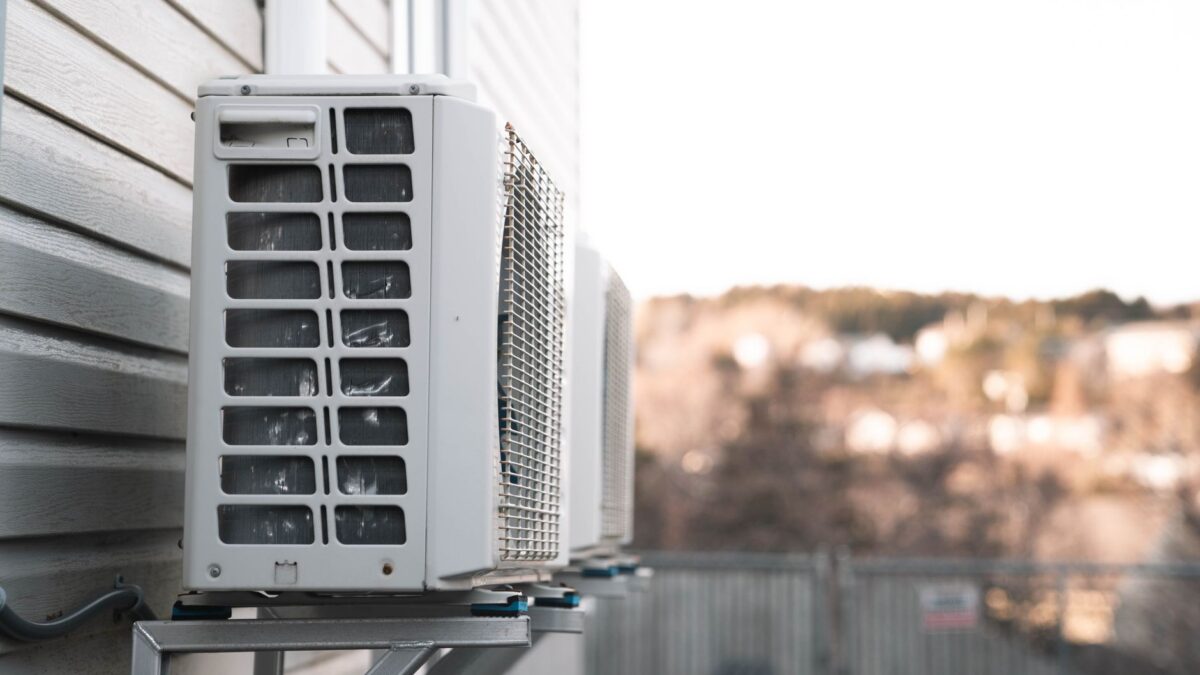
A record 14,286 UK households applied for a heat pump subsidy in October, up from 4,512 in June, according to government figures reported by The Telegraph. Applications to the Boiler Upgrade Scheme (BUS), which pays up to £9,000 toward a heat pump, have more than tripled since the summer as oil and gas prices climbed during the Iran war.
Heating-oil homes lead the rush
Andrew Sissons of the Nesta foundation said part of the rise comes from households that heat with oil. In July the government raised the grant for them from £7,500 to £9,000 after prices spiked. Typical mid-month heating oil prices reached 111 pence per litre in October, the highest since records began in 1989. Heating oil is exempt from the energy price cap.
Nesta’s analysis also found more households with gas boilers, which qualify for a £7,500 grant, installing heat pumps over the past four months.
What it means for energy bills
The average annual household energy bill is set to rise by 26% in January to £2,166. Gas unit prices will rise by 38%, against 24% for electricity. Because heat pumps run on electricity, that gap could narrow their running costs relative to gas boilers.
Experts still cautioned households against rushing. Electricity will cost around three times as much as gas per unit in January. In June the Climate Change Committee, the government’s official climate adviser, said a heat pump costs about £46 more a year to run than a gas boiler on a standard tariff.
Upfront costs differ widely. Before the grant, the Department for Energy Security and Net Zero (DESNZ) puts the average heat pump installation at £12,826. A new gas boiler typically costs between £2,000 and £4,000.
Two views on the demand
Energy minister Martin McCluskey said the figures show soaring household demand for clean technology. Dale Vince, founder of the energy firm Ecotricity, said heat pumps work best in new-builds with good insulation, but for most people retrofitting them they cannot deliver the promised savings on bills.
For background on how the two systems compare, see this guide to heat pump and gas furnace running costs.
What’s at stake: the funding pot
Demand is rising while the BUS budget for the next tax year is shrinking. In January, then energy secretary Ed Miliband said £600m would go to heat pump subsidies in 2027-28. Chancellor John Healey confirmed in the Budget that this would be cut by a third, a reduction of £200m, to help cover a shortfall in defence spending.
Sissons said the cap means anyone interested in switching is now on the clock to apply while money remains. A DESNZ spokesman said the department will maintain heat pump funding through the scheme at present levels, rising broadly in line with expected inflation, and will also offer support through the Warm Homes Loan Scheme.
Source: AOL