Heat Pump vs Gas Furnace: Running Cost, Comfort and When to Switch
A heat pump usually costs less to run than a gas furnace where electricity is cheap and winters are moderate. How to compare costs, comfort and switch timing.
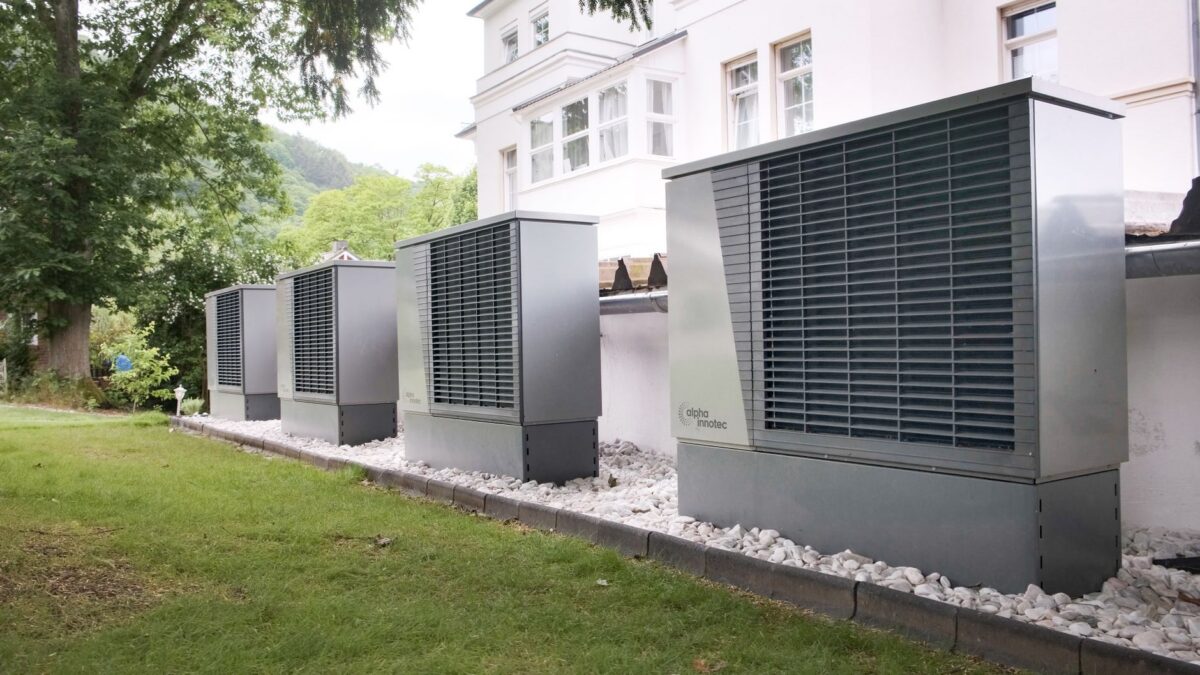
A heat pump is usually cheaper to run than a gas furnace when electricity prices are moderate and winters are mild to cold, because it moves heat instead of making it and delivers about 2 to 4 units of heat for every unit of electricity. A gas furnace often stays cheaper where natural gas is inexpensive, electricity is costly and winters are very cold. Switching pays off fastest when the furnace or air conditioner needs replacing anyway, since one heat pump does both jobs.
How do heat pumps and gas furnaces make heat?
A gas furnace burns natural gas and blows the warm air through your ducts. Its efficiency is rated by AFUE (annual fuel utilization efficiency): an 80% AFUE furnace turns 80% of the gas energy into heat in your home, and condensing furnaces reach about 90% to 98%.
A heat pump uses refrigerant and a compressor to pull heat from outdoor air and release it indoors, the same cycle an air conditioner runs in reverse. Because it moves heat rather than generating it, its efficiency is above 100%. Engineers express this as a coefficient of performance (COP): a COP of 3 means 3 units of heat for 1 unit of electricity. Seasonal efficiency appears on the label as HSPF2 for heating and SEER2 for cooling.
Which is cheaper to run?
The answer depends on your local price for electricity and gas, so compare them with a simple calculation. One therm of natural gas holds about 29.3 kWh of energy. To get the heat of one therm:
- A 95% AFUE furnace burns about 1.05 therms.
- A heat pump running at an average COP of 3 uses about 9.8 kWh of electricity.
Multiply each figure by the prices on your own utility bills. As a worked example, at 15 cents per kWh the heat pump spends about $1.47 for that therm of heat, so it wins whenever gas costs more than about $1.40 per therm. Higher electricity prices or a lower COP in very cold weather move the break-even point toward gas. Our appliance electricity cost calculator turns a heat pump’s wattage and hours of use into a monthly cost at your rate.
The U.S. Department of Energy notes that heat pumps can cut electricity use for heating substantially compared with electric resistance heat such as baseboards and furnaces with electric strips. Homes that now heat with propane, heating oil or electric resistance see the largest savings from a switch.
Is a heat pump as comfortable as a furnace?
A heat pump delivers air at a lower temperature than a gas furnace, typically lukewarm rather than hot at the vent, but it runs longer and more steadily, so room temperatures swing less. Variable-speed (inverter) models adjust their output in small steps, which keeps temperatures even and cuts noise. A gas furnace heats a cold house faster and feels warmer at the register.
Heat pumps also cool and dehumidify in summer, replacing a separate central air conditioner. A furnace needs an AC unit paired with it for cooling.
Do heat pumps work in cold climates?
Modern cold-climate heat pumps keep heating well below freezing, and many models are rated to keep working near -5°F (-21°C) or lower, though capacity and efficiency fall as the temperature drops. They pause briefly to defrost the outdoor coil, and many homes keep backup heat for the coldest days. This guide to heat pumps in cold weather and backup heat covers low limits and defrost mode in detail. ENERGY STAR marks qualifying models with a cold climate designation.
What is a dual-fuel system?
A dual-fuel (hybrid) system pairs a heat pump with a gas furnace. The heat pump heats the home for most of the season, and the thermostat switches to gas below a set outdoor temperature, the point where gas becomes cheaper or the heat pump’s output falls short. It suits cold regions with existing gas service and ductwork, and it lets you set the switchover based on your own energy prices.
When does switching pay off?
Switching makes the most financial sense in these situations:
- Your air conditioner and furnace are near the end of their life, so one heat pump replaces two systems.
- You heat with propane, oil or electric resistance, which usually cost more per unit of heat than a heat pump.
- Your home already has ducts in good condition, or rooms suit ductless mini-splits.
- The house is reasonably well insulated and sealed, so a smaller heat pump can carry the load.
- Utility rebates or state programs lower the purchase price.
Replacing a furnace that still works well, in a cold region with cheap gas, has the longest payback. Rebates and incentives change often; the ENERGY STAR rebate finder lists current offers by ZIP code. Whatever you choose, a contractor should run a load calculation (Manual J) to size the system instead of matching the old furnace’s size.
Quick answers
Do heat pumps need different maintenance from furnaces?
Both need regular filter changes; see how often to change a furnace filter and which MERV rating to buy. A heat pump also needs its outdoor unit kept clear of snow, leaves and debris, and a yearly professional check of refrigerant and electrical parts.
How long does each system last?
Gas furnaces commonly last about 15 to 20 years. Heat pumps often last about 10 to 15 years, since they run year-round for both heating and cooling.
Does a heat pump remove carbon monoxide risk?
An all-electric heat pump burns no fuel, so it produces no carbon monoxide. Keep CO alarms if the home has any other gas appliances or an attached garage.