Maine Revives Heat Pump Electric Rate, Starting Dec. 1 at CMP
Central Maine Power's heat pump rate returns Dec. 1 with no winter delivery charges. See how the rate works, what CMP estimates it saves and who can sign up.
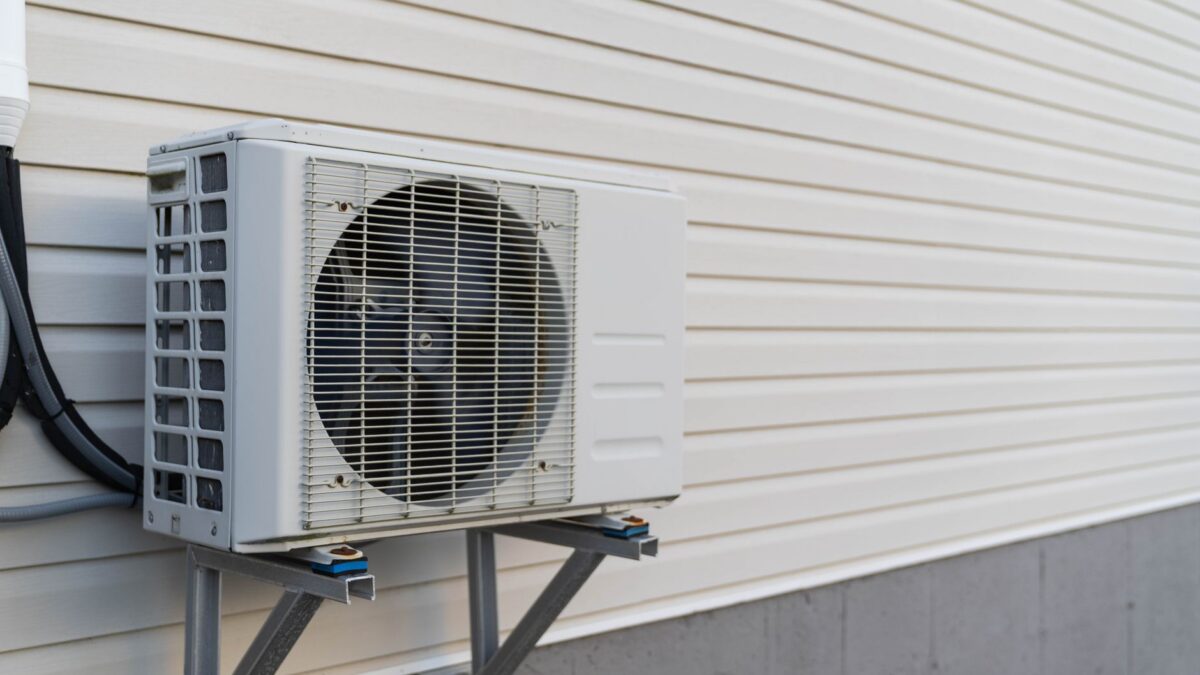
Heat pump owners served by Central Maine Power (CMP) can sign up from Dec. 1 for a voluntary electricity rate that drops winter transmission and distribution charges. The Maine Public Utilities Commission approved the rate last week, according to Canary Media, reviving a discount that expired in January.
CMP expects participants to save hundreds of dollars a year compared with default rates. The utility serves more than 670,000 households across most of the western half of the state.
What it means for a household’s bill
In winter, customers on the heat pump rate pay for electricity supply only: 13.63 cents per kilowatt-hour as of the new year. They also pay a monthly fee of about $41, compared with $27 for standard-rate households.
Summer costs more. The heat pump rate is 25 cents per kWh in those months, against 12 cents on the standard rate. The design assumes winter savings will outweigh the summer increase.
CMP’s own example: a household using 500 kWh a month in summer and 1,200 kWh a month in winter would save $211 a year. CMP said households that use less in summer and more in winter would save more. These are the utility’s calculations, not results from actual customers.
Why the rate came back
CMP launched the rate as a pilot at the start of 2023. It expired Jan. 31, 2026, and was not extended after a study found it did not produce significant savings or meaningfully change how much power participants used.
Circumstances have shifted since. Heating oil, used by roughly half of Maine homes, has been just below $6 per gallon in recent weeks, which Canary Media attributes to the ongoing war in the Middle East. Regulators reasoned that heat pumps and a discount rate could provide needed savings this winter. Supporters argued during the approval process that the rate is now more likely to push households toward heat pumps than it was during the pilot.
How the argument for the rate is made
Alex Lopez, senior manager of regulatory policy at the nonprofit Rewiring America, which was not directly involved in the Maine decision, said heat pump rates are not a subsidy. He described them as a fair way to charge for grid infrastructure.
The grid is built to handle peak demand, which generally comes on hot summer days. Winter has spare capacity, so heat pumps can draw power without requiring upgrades, Lopez said. He said charging them extra in that season makes no sense.
He also said that as more heat pumps connect, demand will eventually peak in winter and new rate approaches will be needed. “They are a bridge solution,” he said of the rates.
Other states with heat pump rates
- Massachusetts requires its three major electric utilities to offer a lower seasonal heat pump rate, in effect since last winter. In that first season the rates saved customers more than $37 million, an average of more than $250 per household.
- Minnesota: Xcel Energy has a program that lowers seasonal rates for homes with electric heat, including heat pumps and resistance heating.
- Colorado: utilities must consider heat pump discounts in future rate requests.
- New York is looking at whether it can change its time-of-use rates to create more savings for heat pump users.
What happens next
The Maine rate takes effect Dec. 1. Households weighing a switch can compare how the cooling and heating seasons play out in our heat pump and gas furnace running-cost comparison.
Sources: Canary Media, Yahoo