HVAC Groups Say Refrigerant Fight Moves to the States After Midterms
After the 2026 midterms, HVAC contractor groups expect state refrigerant rules and stalled tax credits to shape what heating and cooling costs homeowners.
Two HVAC contractor groups say the 2026 midterm elections will push the biggest fights over home heating and cooling equipment out of Congress and into state legislatures. Refrigerant rules are at the top of their list: they warn that some states want to move homes toward ultra-low-GWP refrigerants such as R-290 before the industry has finished its current switch.
The warnings came from Sean Robertson, vice president of government relations at the Air Conditioning Contractors of America (ACCA), and Mark Valentini, vice president of legislative affairs at the Plumbing-Heating-Cooling Contractors National Association (PHCC). Both spoke at the ACHR NEWS HVAC Contractor Forum in Frisco, Texas, the morning after the vote, according to ACHR News.
What it means for homeowners buying heat pumps and air conditioners
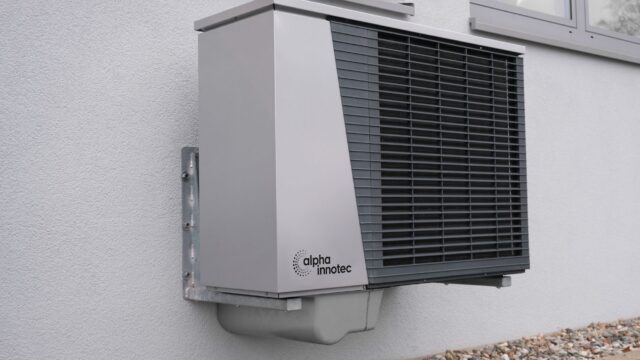
Contractors have only recently moved residential systems from R-410A to A2L refrigerants. GWP stands for global warming potential, a measure of how much a refrigerant adds to warming if it leaks. Robertson said groups in several states are already pushing policies that would speed up a further move to ultra-low-GWP refrigerants, including R-290 in residential equipment. Valentini said the industry had worked hard to win the AIM Act to get long-term certainty, and he called the state push very disappointing.
If states such as Washington and New York move first, the two speakers said, they could start a national transition before manufacturers and installers have settled into the A2L change. A second switch would mean new equipment, new parts and new training. One audience member at the session said the growing list of rules would make systems less affordable, and Valentini agreed.
Robertson showed a Clean Heating Coalition map naming more than a dozen states targeted for lobbying to grow the market for heat pumps that use natural refrigerants: Washington, Oregon, California, Colorado, New Mexico, Michigan, Wisconsin, Illinois, Pennsylvania, New York, New Jersey, Maryland, Massachusetts and Maine. “It’s time to be very afraid,” he told contractors from those states.
Valentini argued that Europe’s experience with these refrigerants does not carry over to the U.S., because European homes rely far more on ductless and multizone systems than American homes do.
Federal tax credits face a hard road
ACCA and PHCC support bringing back the 25C, 25D and 179D tax credits, Robertson said, but he added that planning tax legislation in the next Congress will be difficult. Rep. Brian Fitzpatrick of Pennsylvania, who had introduced a bill on the commercial tax credit, lost his reelection, and the groups are looking for new Republican sponsors.
Neither party won the 60 Senate votes needed to pass its agenda easily, according to both speakers. Robertson said the industry would like future incentives to shift away from the rated efficiency of the equipment and toward how a system is designed and installed.
Cost pressure on households
Valentini said contractors in California report lower sales and less service and repair work as customers run short of money. Some households in Southern California could not afford to fix their air conditioning over the summer and bought window units or oscillating fans instead, he said. PHCC wants homeowners to keep the choice between natural gas, heat pumps and heating oil.
Robertson cautioned that lowering federal efficiency standards to cut prices has its own cost. He said a growing number of people in the industry see frequent changes to the standards, each time political control shifts, as a bigger problem than how strict the standards are.
What happens next in Congress
Valentini said Congress has about four or five working weeks left this year and must pass spending bills. An omnibus package or a series of smaller “minibus” bills could carry HVAC provisions, including tax measures and permitting reform, he said. After that, both speakers expect state lawmakers, where one or two votes can decide a bill in a narrow chamber, to have the most influence on equipment rules over the next two years.
Source: ACHR News