Best Cleaner for Kitchen Cabinets Without Residue: Soap, Rinse, Dry
The best cleaner for kitchen cabinets without residue is a weak dish soap solution, then a clean-water rinse and a dry cloth. Ratios, finishes and fixes.
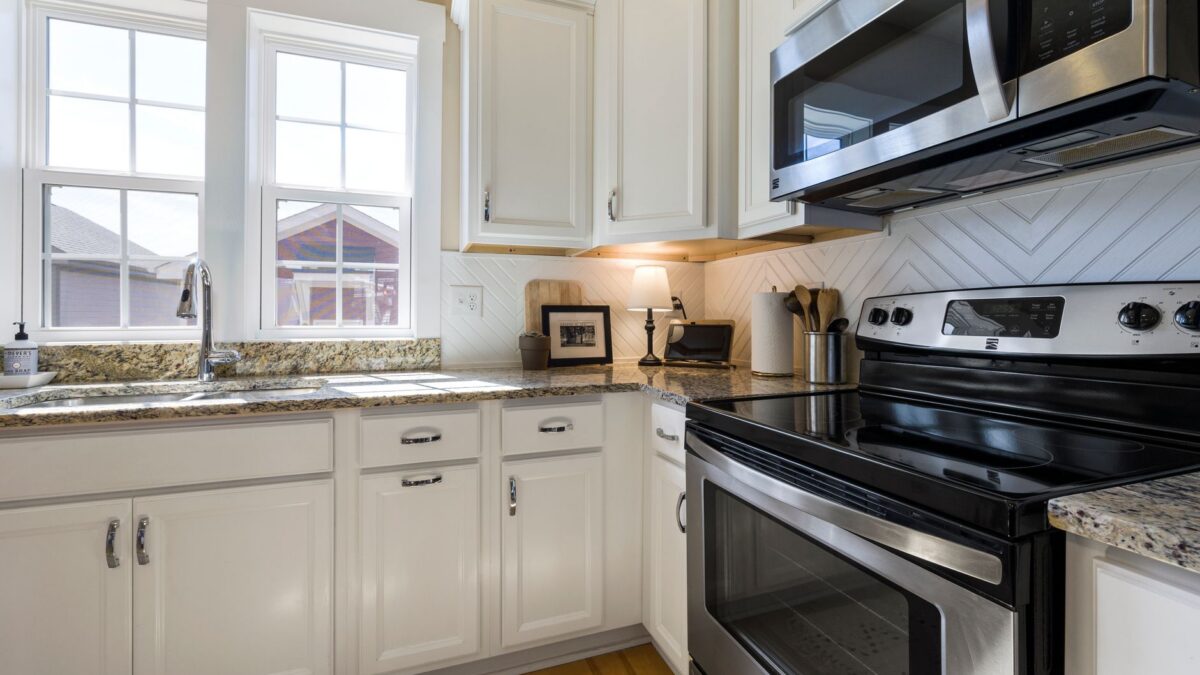
The best cleaner for kitchen cabinets that leaves no residue is a weak solution of mild dish soap in warm water, followed by a wipe with a cloth dampened in plain water and an immediate dry with a clean towel. Residue almost always comes from using too much product or skipping the rinse, so the method matters as much as the cleaner. For painted, stained, laminate and thermofoil cabinets, about 1 teaspoon of dish soap per quart (1 liter) of warm water is enough for routine cleaning.
What causes the sticky or cloudy film on cabinets?
A film on cabinets is usually cleaner that was left to dry on the surface. Soap, oil-based polishes and spray cleaners all contain ingredients that stay behind once the water evaporates, and that layer then catches dust and cooking grease.
The most common causes:
- Too much dish soap in the bucket, which leaves suds that never fully wipe away.
- Furniture polish or spray wax, which builds up in layers and turns tacky near the stove.
- Oil soap used often or too strong, which can leave a dull, slightly greasy film on sealed finishes.
- All-purpose sprays wiped once with a dry paper towel instead of rinsed.
- Hard tap water drying in streaks and leaving mineral spots.
- A dirty or overloaded cloth that smears grease from one door to the next.
Which cleaner works best for each cabinet finish?
Most modern cabinets have a sealed finish, and a diluted dish soap solution is safe on all of them. The differences come in what to avoid and how much moisture the surface can take.
- Painted cabinets: dish soap and water, wiped gently. Skip abrasive powders and scrub pads, which can dull or wear through the paint.
- Stained or varnished wood: dish soap and water with a well-wrung cloth. Keep water off raw edges and seams, where it can raise the grain or loosen joints.
- Laminate and thermofoil: dish soap and water, or a 1:1 mix of white vinegar and water for streaks. Avoid heat near thermofoil edges, since the vinyl skin can peel.
- High-gloss lacquer or acrylic: dish soap and water with a soft microfiber cloth only. Even mild abrasives leave fine scratches that show on a mirror-like surface.
- Stainless steel or metal doors: dish soap and water, wiped in the direction of the grain, then dried.
If the doors are coated in old grease rather than everyday dust, the steps in our guide on removing grease from kitchen cabinets by finish go further than a routine wipe.
How do you clean cabinets step by step without leaving residue?
The rinse and the dry are the two steps that prevent residue. A full clean of one wall of cabinets takes about 20 to 30 minutes.
- Fill one bowl with warm water and about 1 teaspoon of dish soap per quart (1 liter). Fill a second bowl with plain warm water.
- Test the solution on the inside of a door or another hidden spot and let it dry.
- Dip a microfiber cloth in the soapy water and wring it until it is only damp. Water should never drip down the door.
- Wipe each door and drawer front from top to bottom, paying extra attention to the areas around handles and the cabinets next to the stove.
- Rinse with a second cloth dipped in plain water and wrung out well.
- Dry every surface right away with a clean, dry towel.
- Clean handles and knobs separately, then dry them so water does not sit in the screw holes.
Change the rinse water when it turns cloudy. Rinsing with dirty water puts the film straight back on.
Is vinegar safe for kitchen cabinets?
Diluted white vinegar is safe for short-term use on laminate, thermofoil and most painted cabinets, and it cuts streaks and hard-water spots well. A 1:1 mix with water, followed by a plain-water wipe and a dry, works for occasional use.
Vinegar is an acid, so regular use is a poor fit for natural wood finishes, waxed surfaces and some lacquers, where it can dull the shine over time. If the manufacturer’s care instructions rule it out, follow them. Never combine vinegar or any other cleaner with bleach, because mixing cleaning chemicals can release harmful gases. The EPA Safer Choice program lists products whose ingredients have been reviewed, which is one way to pick a commercial cleaner if you prefer a ready-made spray.
What should you avoid using on cabinets?
Several common household products cause more problems on cabinets than they solve:
- Ammonia and bleach cleaners, which can discolor paint and break down some finishes.
- Abrasive powders, scouring pads and melamine sponges, which can scratch or wear through the surface.
- Furniture polish and spray wax on sealed cabinets, which build up into a sticky layer.
- Steam cleaners, which push heat and moisture into seams and can lift veneer or thermofoil.
- Soaking wet cloths, which let water run into joints and the edges of doors.
Cabinets that have worn finishes or peeling paint are past what cleaning can fix. Refinishing is the long-term answer, and our guide on how to paint kitchen cabinets covers prep and timing.
How do you remove residue that is already on cabinets?
Existing film usually comes off with the same soap-and-water method, repeated with more rinsing. For sticky polish buildup, wipe with the dish soap solution, rinse, dry and repeat until the surface no longer feels tacky.
For stubborn spots on sealed finishes, a paste of baking soda and a little water, applied with a soft cloth and very light pressure, lifts buildup that soap alone leaves behind. Test it first on a hidden area, because baking soda is a mild abrasive and can dull gloss finishes. Wipe the paste off completely, rinse with clean water and dry.
Hard-water spots on laminate or painted doors respond to the 1:1 vinegar mix, followed by the usual rinse and dry.
How often should kitchen cabinets be cleaned?
Wipe the cabinets next to the stove, the sink and the trash can about once a week, because grease and splashes build up there fastest. The rest of the kitchen usually needs a full clean every one to three months. Spills should be wiped up as they happen, since dried food and grease take more scrubbing and more product to remove, and more product means more residue.
The same habits apply to metal surfaces nearby. If your fridge or dishwasher has a stainless front, our comparison of the best cleaners for a stainless steel fridge covers which products leave streaks.
Quick answers
Can I use all-purpose spray on kitchen cabinets?
Yes, on most sealed finishes, if you rinse with a damp cloth and dry afterward. Spraying and wiping once with a dry towel is what leaves a film.
Is oil soap good for wood cabinets?
Oil soap can be used occasionally on sealed wood if it is diluted as the label directs, then rinsed and dried. Used often or too strong, it can leave a dull film.
Why are my cabinets still sticky after cleaning?
Stickiness after cleaning usually means grease was smeared around or soap was left behind. Clean again with fresh solution and a clean cloth, rinse twice and dry.
What cloth is best for cleaning cabinets?
A soft microfiber cloth works best, because it holds dirt without scratching and leaves little lint. Keep separate cloths for washing, rinsing and drying.