How to Descale a Coffee Maker: Vinegar, Citric Acid or Descaler?
Mineral scale slows brewing and dulls flavor. How to descale drip, single-serve and espresso machines without damaging them.
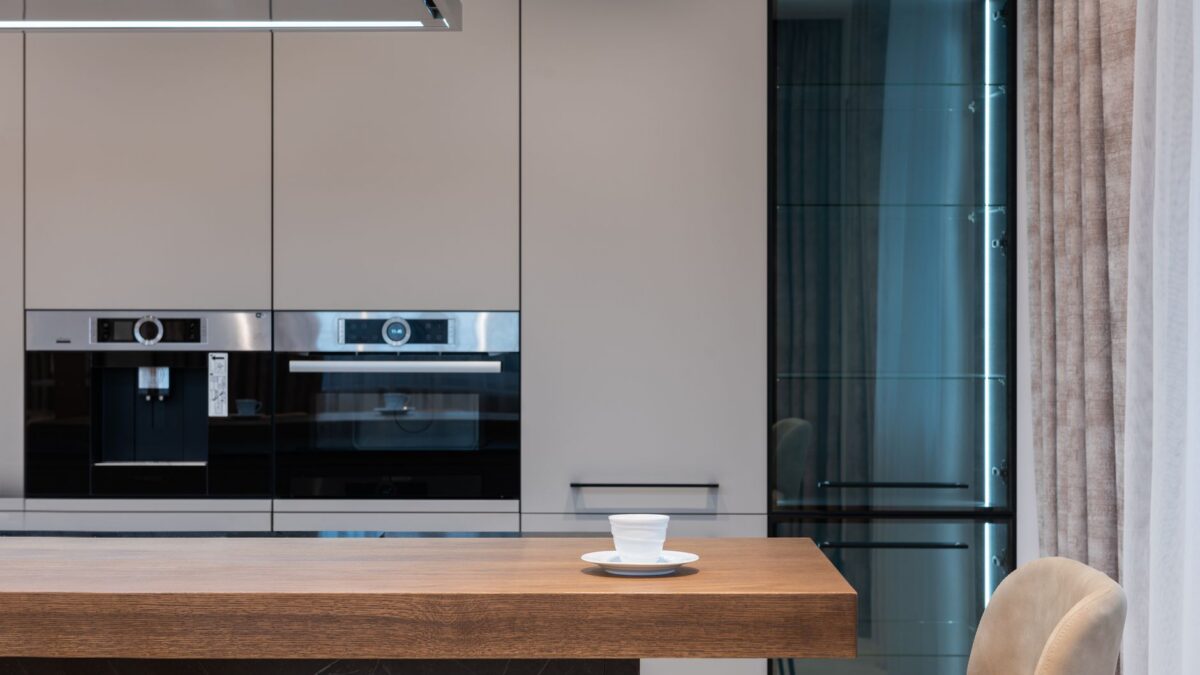
To descale a coffee maker, run a descaling solution through the brewing system, let it sit to dissolve mineral scale, then rinse with two or three full cycles of fresh water. For most basic drip machines, diluted white vinegar or a citric acid descaler works, but check your manual first: some single-serve and espresso makers say vinegar can damage their machines and require a specific descaler. The whole job takes about 30–60 minutes, most of it waiting.
Why descaling matters
Tap water carries dissolved minerals, mainly calcium and magnesium. Heating water makes some of them come out of solution as a hard, chalky layer called limescale. In a coffee maker, it builds up in the heating element, tubes and spray head. Over time that can mean:
- slower brewing or a machine that sputters and only brews partway
- coffee that is not as hot as it used to be
- a flat or bitter taste
- white flakes in the carafe or reservoir
- a “descale” light on machines that track it
Descaling removes minerals. It is different from cleaning, which removes coffee oils and grounds from the basket, carafe and lid; both matter.
How often to descale
It depends on your water hardness and how much you brew. Many manufacturers suggest every one to three months for drip machines, or whenever the machine’s descale indicator comes on; hard water and daily use point toward the more frequent end. Filtered or softened water slows buildup but rarely eliminates it. Your manual gives the interval for your model, and some machines let you set the water hardness so the indicator times itself.
Choosing a descaler
| Option | How it works | Pros | Cautions |
|---|---|---|---|
| White vinegar (about 5% acetic acid) | Mild acid dissolves scale | Cheap, widely available; some drip-maker manuals specify it | Strong smell, needs extra rinsing; some makers say not to use it in their machines |
| Citric acid | Food-grade acid, sold as powder | Effective, little odor, cheap | Mix strictly per package directions; not approved for every machine |
| Manufacturer descaler | Usually citric or lactic acid formulas | Matched to the machine; may be required for warranty | Costs more |
| Commercial descaler (other brands) | Various acid blends | Convenient | Confirm the manual allows it; follow the label |
Safety: never mix descalers with bleach or other cleaning products; acids and bleach can release toxic chlorine gas. Keep concentrated descalers away from children. If someone swallows a cleaning chemical, call Poison Control at 1-800-222-1222 (US).
What you need
- Your descaler of choice (vinegar, citric acid or a branded descaler)
- Fresh water
- A paper filter (for drip machines)
- A large mug or bowl for pod machines
- Dish soap and a soft sponge for removable parts
How to descale a drip coffee maker
- Empty and clean. Discard grounds, wash the carafe, basket and lid in warm soapy water.
- Mix the solution. If your manual allows vinegar, a common mix is equal parts white vinegar and water filling the reservoir; some manufacturers specify undiluted vinegar or a different ratio. For citric acid or a branded product, follow the package exactly.
- Insert a paper filter in the empty basket to catch loosened flakes.
- Start a brew cycle. Some people stop it halfway and let it sit 30–60 minutes for heavy scale before finishing the cycle; others run a full cycle and repeat. Either works if your manual has no specific instruction.
- Discard the solution and the filter.
- Rinse. Run two or three full cycles of fresh, cold water, emptying the carafe each time, until there is no vinegar or descaler smell.
- Wipe the hot plate and exterior once the machine is cool.
Single-serve pod machines
Pod brewers have small internal tanks and narrow needles that clog easily, so manufacturers often give specific steps. Typical steps look like this, but follow your model’s manual:
- Remove any pod, empty the drip tray and turn off any auto-off setting so the machine does not shut down mid-cycle.
- Fill the reservoir with the descaling solution the manufacturer recommends.
- Brew cleansing cycles into a large mug, with no pod, until the machine signals the reservoir needs refilling, or as directed.
- Let it sit if the instructions call for it, often around 30 minutes.
- Rinse by refilling with fresh water and running plain brew cycles, often a full reservoir’s worth.
- Clean the needle using the manufacturer’s tool or method if brewing is still slow.
Some pod machine makers state that vinegar can damage their machines and void the warranty. If your manual names a specific descaler, use it.
Espresso machines
Espresso machines have boilers or thermoblocks, valves and gaskets that are more sensitive. Use only the descaler and procedure in the manual, which often includes a dedicated descaling program. Running the wrong acid or skipping rinse steps can damage seals, and some machines have parts that vinegar should not touch. If your machine has a water filter cartridge, the manual will say whether to remove it before descaling.
Keeping scale down between descales
- Use filtered water if your tap water is hard. Avoid fully distilled water in machines whose manual warns against it; some sensors need minerals to detect water.
- Empty the reservoir if you will not use the machine for a few days.
- Clean daily parts: wash the carafe and basket after each use to remove oils.
- Replace water filters on schedule if your machine uses them.
Hard water causes the same problem across the kitchen. Our guides on removing limescale from an electric kettle and hard water stains in a dishwasher use similar methods.
When descaling does not help
- Still brewing slowly after two descales: check for clogged filters, needles or a blocked spray head (see the manual).
- Leaking, a burning smell, tripping the breaker or sparking: unplug it and stop using it. Internal electrical repairs should be done by the manufacturer or a qualified repair shop, and DIY repairs may void the warranty.
- Coffee not hot after descaling: the heating element or thermostat may be failing; contact the manufacturer if it is under warranty.
Bottom line
Descale every one to three months, or when the indicator comes on, with the solution your manual approves. Vinegar works for many drip machines, citric acid or a branded descaler suits most others, and pod and espresso machines usually need the maker’s product. Always finish with several fresh-water rinses. If you are cleaning other small appliances too, see how to clean a blender.
FAQ
Can I descale with vinegar?
In many drip coffee makers, yes, if the manual allows it. Some single-serve and espresso makers say vinegar can damage their machines; use their approved descaler instead.
How do I get rid of the vinegar taste?
Run two or three full cycles of fresh water. If you still smell vinegar, run another.
Is citric acid better than vinegar?
It has less odor and works well, but mix it exactly as the package directs and confirm your manual allows it.
Does descaling void the warranty?
Descaling as the manual describes does not. Using a product the manufacturer prohibits might, so check first.