How to Remove Limescale From an Electric Kettle (Vinegar or Citric Acid)
That chalky crust inside your kettle is mineral scale from hard water. A mild acid dissolves it; the key is following your kettle's manual and rinsing well.
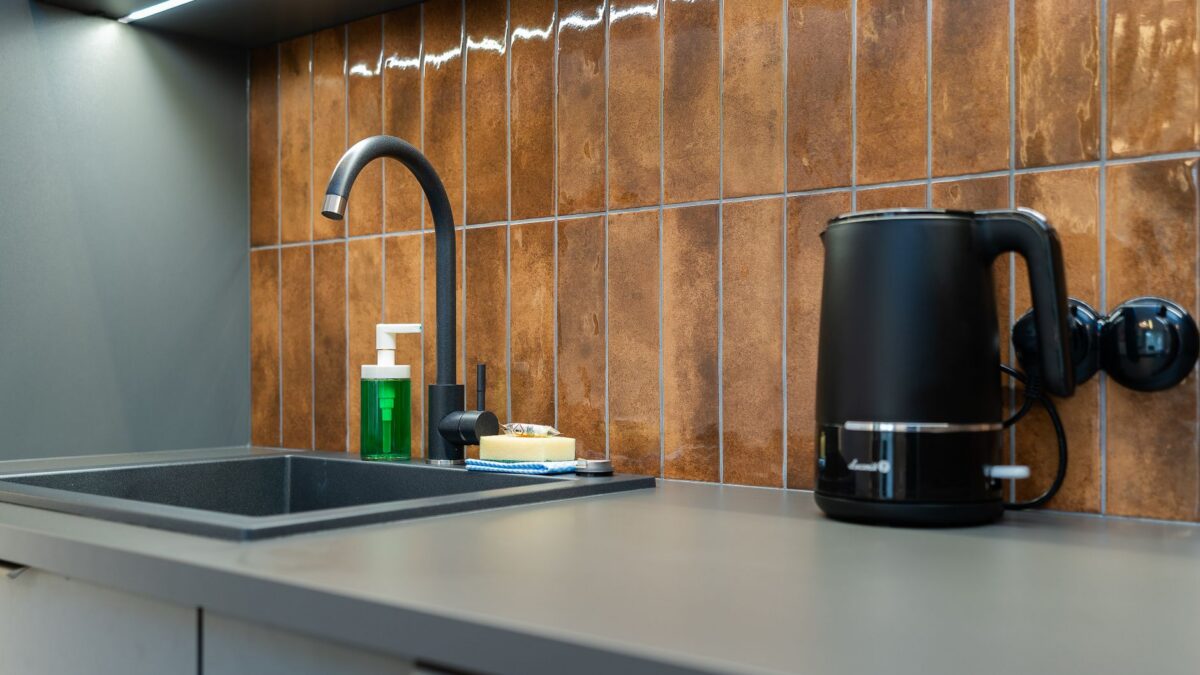
To remove limescale from an electric kettle, fill it with a diluted acid, either white vinegar and water or a citric acid solution, let it work for 15 minutes to an hour, then empty it and rinse several times with fresh water. Always follow your kettle’s manual first, since some models specify a method or warn against certain descalers. Unplug the kettle and keep the base and electrical contacts dry throughout.
What limescale is
Limescale is mostly calcium and magnesium minerals left behind when hard water is heated. It forms a white or tan crust on the bottom, the heating plate and the filter, and flakes may float in your drink. It doesn’t make water unsafe, but it slows heating, wastes energy, can make the kettle noisy, and may cause some kettles to switch off before boiling.
How fast it builds depends on your water. The US Geological Survey classifies water above about 120 milligrams per liter of hardness (as calcium carbonate) as hard, and above about 180 as very hard. Your water utility’s annual water quality report usually lists hardness.
What you need
- White vinegar (standard household strength, about 5% acidity) or food-grade citric acid powder
- Water
- A soft cloth or non-scratch sponge
- A soft brush for the filter
- Optional: a commercial descaler labeled for kettles
Method 1: White vinegar
- Unplug the kettle and let it cool. Lift it off the base.
- Remove the filter if it’s removable.
- Fill the kettle with a mix of vinegar and water. Half-and-half works for heavy scale; a weaker mix is fine for light scale. Fill enough to cover the scaled area, but stay below the max line.
- Soak for about an hour. Some manufacturers specify an unheated vinegar soak; others allow bringing the mix to a boil first. Follow your manual.
- Empty the kettle and wipe away softened scale with a soft cloth.
- Rinse several times. Then boil a full kettle of fresh water and discard it; repeat if you still smell vinegar.
Some makers cap the vinegar strength they allow, so check the manual before using cleaning vinegar, which is stronger than standard white vinegar.
Method 2: Citric acid
Citric acid has no strong smell and is often preferred for plastic kettles, which can hold a vinegar odor. One major kettle maker’s instructions call for about 25 grams (roughly 1.5 tablespoons) of citric acid dissolved in 0.5 liter of just-boiled water, left for 15 minutes.
- Boil about half a kettle of water, then unplug.
- Stir in citric acid per your manual or the product label, carefully, since it may fizz.
- Leave 15–30 minutes.
- Empty, wipe and rinse several times, then boil and discard one full kettle of fresh water.
Comparing descaling options
| Option | Pros | Cons |
|---|---|---|
| White vinegar | Cheap, widely available, effective | Strong smell; needs extra rinsing; some makers limit strength |
| Citric acid powder | Low odor; fast; good for plastic kettles | Must buy separately; measure carefully |
| Lemon juice | Mild, pleasant smell | Weaker; better for light scale |
| Commercial kettle descaler | Measured dose, clear instructions | Costs more; choose one labeled for your kettle type |
Don’t use descalers made for metal pipes, toilets or other uses. Never mix descalers with bleach or other cleaners. If anyone swallows a descaling product, call Poison Control at 1-800-222-1222 (US).
Cleaning the filter
Most kettles have a mesh filter in the spout that catches scale flakes. Slide it out (check your manual for how), soak it in the same vinegar or citric acid solution for 15–30 minutes, brush gently, rinse and reinstall. A clogged filter can make the kettle pour slowly or spit.
Outside and base
Wipe the exterior with a damp cloth and mild soap, then dry. Never immerse the kettle or its base in water, and keep liquid away from the electrical connector. Stainless steel exteriors can be wiped with the grain to reduce streaks.
How often to descale
| Water | Typical schedule |
|---|---|
| Soft | Every few months, or when you see scale |
| Moderately hard | About every 1–2 months |
| Hard or very hard | Monthly, or as the manual recommends |
Preventing buildup
- Empty the kettle after use instead of leaving water to sit.
- Boil only the water you need.
- Rinse and refill with fresh water each time.
- Consider filtered water if your water is very hard; filter pitchers reduce some minerals, depending on the cartridge.
The same descaling principles apply to other appliances that heat water. See how to descale a coffee maker, and for dishwashers, removing hard water stains.
When to replace the kettle
Stop using a kettle that leaks, trips your breaker, has a damaged cord, won’t switch off automatically, or smells of burning plastic. These are electrical or safety issues, not scale problems. Also check the CPSC’s recall list if your kettle behaves oddly.
Bottom line
Unplug, fill with diluted vinegar or citric acid, soak, empty, then rinse and boil fresh water until there’s no taste or smell. Check your manual for the approved method, keep the base dry, and descale every month or two if you have hard water.
FAQ
Is limescale harmful to drink?
Limescale is made of minerals already in your water, and it’s generally considered a nuisance rather than a health hazard. Descaling still improves taste and kettle efficiency.
Can I use baking soda to descale a kettle?
Baking soda is alkaline and does little to dissolve mineral scale. Use a mild acid such as vinegar or citric acid.
Why does my kettle still smell of vinegar?
It needs more rinsing. Boil fresh water once or twice and discard it.
Does descaling void the warranty?
Descaling as the manual describes is normal maintenance. Using a method the manual prohibits could be an issue, so read it first.