How to Remove Heavy Texture From Walls: Scraping vs Skim Coating
Unpainted texture often scrapes off after soaking, while painted or hard texture is easier to skim coat flat. Testing, steps, tools and safety checks.
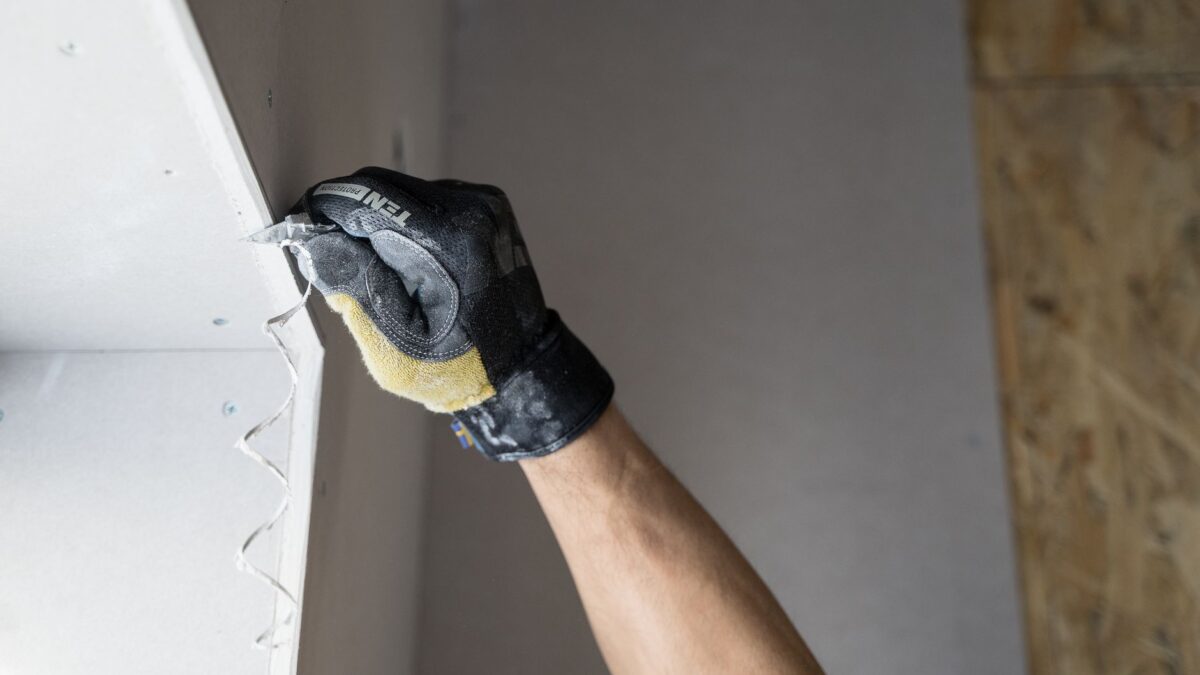
Heavy wall texture comes off by scraping only when it is unpainted joint compound that softens with water; painted, sealed or plaster-based texture is usually faster to flatten with a skim coat of joint compound. Scraping removes the bumps down to the drywall paper, while skim coating fills the valleys until the wall is flat. Before doing either, test for lead paint in homes built before 1978 and for asbestos in texture applied before the 1980s.
Which method should you choose for your walls?
Pick the method based on what the texture is made of and whether it has been painted. A five-minute test on a hidden spot, such as behind a door or inside a closet, gives the answer.
- Spray a patch about 2 feet (60 cm) square with warm water and wait 10 to 15 minutes.
- Push a putty knife into the texture. If it turns soft and scrapes off easily, the texture is unpainted compound and scraping is realistic.
- If the water beads up or the texture stays hard, it is painted, sealed or made of plaster. Scraping would mean sanding or chipping, so a skim coat is the better route.
Skim coating also makes sense when the texture is shallow (orange peel or light knockdown) or when scraping would tear the drywall paper across large areas. Very deep textures, such as heavy trowel or stucco-style finishes, can need knocking down with a knife before skimming so the coats stay thin.
What should you check before starting?
Check for hazardous materials first, because both methods create dust. The U.S. Environmental Protection Agency warns that paint in homes built before 1978 may contain lead, and older wall and ceiling textures can contain asbestos. Send a sample to an accredited lab or hire a licensed inspector if the house is old enough. If either material is present, do not scrape or sand it yourself; the EPA’s asbestos guidance explains when professional removal is required.
For a safe job on clean material, prepare the room:
- Turn off power to outlets and switches on the wall, then remove cover plates.
- Cover the floor with plastic sheeting and tape it to the baseboards.
- Seal doorways and HVAC vents with plastic to keep dust out of the rest of the house.
- Wear safety glasses and an N95 respirator or better.
Kitchen walls collect a film of cooking grease that keeps new compound and primer from bonding. Wash them first with a degreasing cleaner, the same way you would clean greasy kitchen cabinets, and let the wall dry fully.
How do you scrape texture off a wall?
Scraping works in small sections because the compound only stays soft for a short time.
- Wet an area of about 4 by 4 feet (1.2 by 1.2 m) with a pump sprayer or spray bottle of warm water. Mist it; do not soak it until water runs.
- Wait 10 to 15 minutes for the water to soak in.
- Hold a 6 to 10 inch (15 to 25 cm) drywall knife or a floor scraper at a low angle and push the texture off. Round off the knife corners with a file so they do not gouge the paper.
- Re-wet stubborn patches and wait again instead of forcing the blade.
- Let the wall dry overnight, then sand any ridges lightly with a sanding sponge.
Scraping almost never leaves a wall ready for paint. Expect small gouges and spots of torn paper. Seal torn paper with an oil-based or shellac-based primer before patching, because water-based compound applied over bare torn paper makes it bubble. After that, one or two thin coats of compound bring the wall to a smooth finish.
How do you skim coat over heavy texture?
A skim coat is a thin layer of joint compound spread over the whole wall and smoothed with a wide knife. It hides texture without removing it.
- Knock off the tallest peaks with a drywall knife or a pole sander so the first coat does not have to be thick.
- Prime painted walls, especially glossy ones, with a bonding primer so the compound grips.
- Thin all-purpose or lightweight joint compound with a little water until it is about the consistency of thick yogurt.
- Roll it on with a thick-nap roller or spread it with a 10 to 12 inch (25 to 30 cm) knife, working one section at a time.
- Pull the excess off with a 12 to 14 inch (30 to 35 cm) knife or a wide skimming blade, holding it at a low angle and overlapping each pass.
- Let the coat dry fully. Thin coats usually dry within a day, but cold or humid rooms take longer.
- Scrape off ridges, then apply the next coat in the opposite direction. Most heavy textures need two or three coats.
- Sand the final coat lightly with 120 to 150 grit paper or a sanding sponge.
Setting-type compound (sold as powder with a working time on the bag, such as 20 or 45 minutes) dries harder and shrinks less, which helps on the first coat over deep texture. It is harder to sand, so many people switch to premixed compound for the last coat.
What mistakes cause problems?
- Soaking the wall. Too much water loosens the drywall paper along with the texture.
- Applying thick coats. Heavy layers crack and take days to dry; several thin coats finish faster.
- Skipping primer before paint. Fresh compound absorbs paint unevenly and shows as dull patches, called flashing, unless it is primed.
- Checking only in daylight. Hold a work light flat against the wall to see ridges and low spots before the final sanding.
- Sanding without dust control. A sanding sponge or a sander connected to a shop vacuum keeps fine dust out of the air.
How long does each method take?
Scraping one wall can take a day for the scraping and another for patching, while a skim coat usually spreads over three to four days because each coat must dry. Skim coating covers large painted areas with less mess, but it adds a thin layer of compound to the wall, so check that outlet boxes and trim still sit flush afterward. Ceilings follow the same logic, though overhead work is slower; the guide to fixing a bad ceiling texture job covers patching and retexturing as well.
Quick answers
Can you paint over heavy texture instead?
Yes. Paint does not flatten texture, but a satin or eggshell finish over primed texture looks cleaner than a gloss, which shows every bump.
Is it cheaper to hang new drywall?
Sometimes. When texture is very deep or the wall is damaged, a layer of 1/4 inch (6 mm) drywall over the old wall can take less labor than several skim coats, though trim and outlet boxes then need extending.
Does vinegar or fabric softener help soften texture?
Plain warm water does the work on unpainted compound. Additives do not soften painted texture, and nothing sprayed on will make sealed texture scrape off easily.
When should you call a professional?
Call one when testing finds lead or asbestos, when the texture covers plaster walls with cracks, or when the job is larger than a room or two and a smooth finish matters.