What Can You Not Put in a Dishwasher? 14 Items to Hand-Wash
Heat, strong detergent and long soaks damage some materials. Here's what to keep out of the dishwasher and how to read 'dishwasher safe' labels.
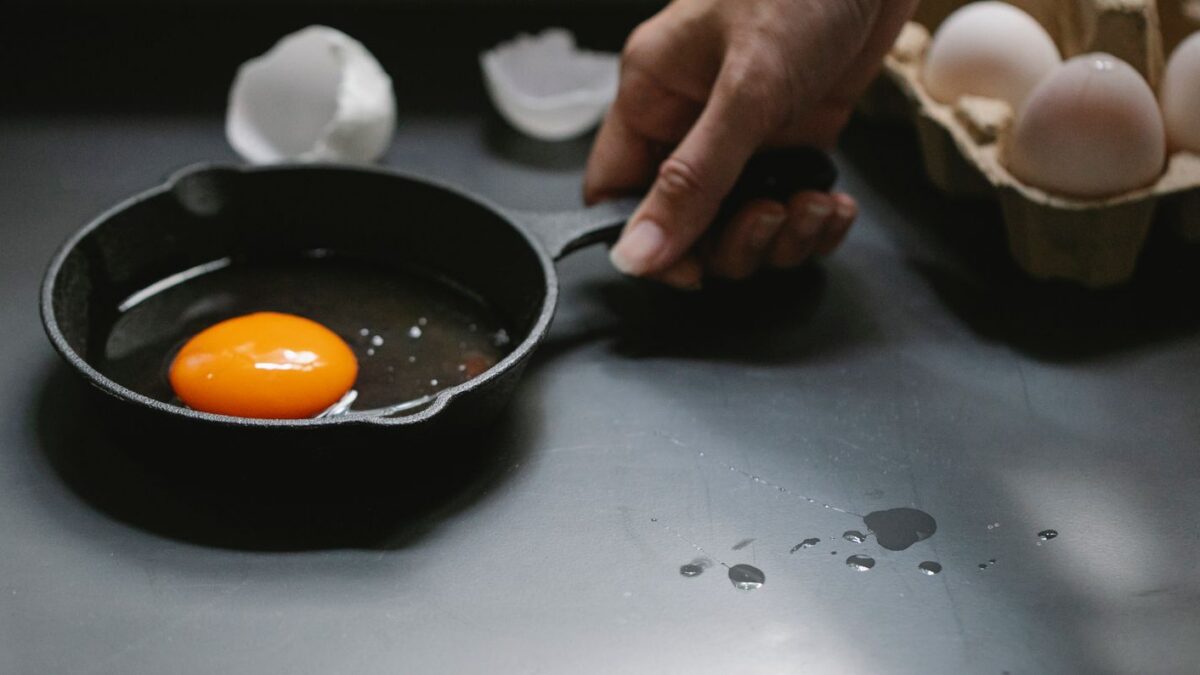
Keep cast iron, wooden items, sharp kitchen knives, copper, insulated travel mugs, and anything not labeled dishwasher safe out of the dishwasher. High heat, strong alkaline detergent and long wet cycles can strip seasoning, warp wood, dull blades, discolor metals and break vacuum seals. When in doubt, check the item’s care label or the maker’s instructions, and hand-wash it.
Why dishwashers damage some items
A dishwasher combines hot water, long soak times, powerful spray and detergents that are more alkaline than hand dish soap. That’s great for dirty plates, but hard on materials that absorb water, react with chemicals, or have glued or sealed parts.
14 things to keep out of the dishwasher
| Item | What can happen | Better care |
|---|---|---|
| Cast iron pans | Seasoning strips, rust forms | Hand-wash, dry on the stove, oil lightly |
| Wooden spoons, boards, bowls | Swelling, warping, cracking | Hand-wash quickly, dry upright |
| Sharp kitchen knives | Dulling, chipped edges, damaged handles; a cutting hazard when unloading | Hand-wash and dry right away |
| Copper pots and mugs | Tarnish and discoloration | Hand-wash; polish as needed |
| Uncoated aluminum | Darkening or dulling | Hand-wash unless labeled dishwasher safe |
| Insulated travel mugs and bottles | Vacuum seal may fail; paint or coatings peel | Hand-wash unless labeled dishwasher safe |
| Nonstick pans (unless labeled safe) | Coating may wear faster | Hand-wash with a soft sponge |
| Plastic not labeled dishwasher safe | Warping or melting, especially near a heating element | Hand-wash, or top rack only if labeled |
| Fine crystal and delicate glass | Clouding, chips | Hand-wash |
| Hand-painted, antique or metallic-trim china | Fading, trim wearing off | Hand-wash |
| Silver-plated and sterling flatware (check maker’s advice) | Tarnish; spotting next to stainless | Follow the maker’s care instructions |
| Pressure cooker lids and gaskets (unless the manual allows) | Valve and seal damage | Follow the appliance manual |
| Garlic presses and graters with wood or glued parts | Handles loosen | Hand-wash |
| Small appliance bases and anything electrical | Electrical damage and shock hazard | Wipe clean, never submerge |
A closer look at the big ones
Cast iron
Cast iron’s nonstick surface is “seasoning,” a layer of baked-on oil. Michigan State University Extension advises never putting cast iron in the dishwasher or leaving it to soak. Enameled cast iron is different; some makers allow the dishwasher, but many recommend hand-washing to protect the enamel.
Knives
Knives knocking against racks and other items lose their edge, and wooden handles can crack. Loose blades in the basket are also a hazard when you unload.
Insulated drinkware
Many vacuum-insulated mugs and bottles say “hand wash only.” Heat can affect the seal between the walls and damage outer coatings. Lids with gaskets often trap water and grow mildew if they’re not taken apart and dried.
Plastics
Look for a “dishwasher safe” label or symbol, and put plastics on the top rack, away from the heating element. Lightweight lids can flip and fill with water or fall onto the element. Plastic often comes out wet; see dishwasher not drying dishes.
Things that are usually fine (check the label)
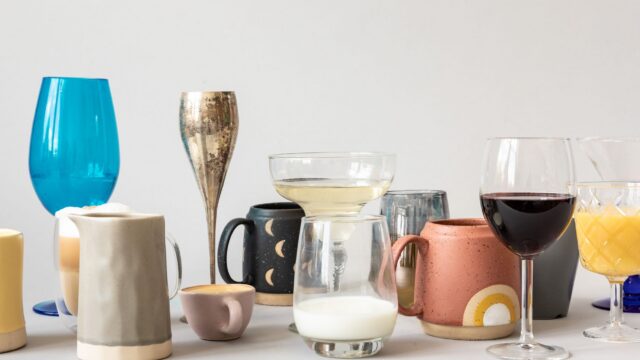
- Most everyday glasses, ceramic plates and mugs
- Stainless steel flatware and many stainless pots
- Many glass food storage containers (lids vary)
- Many small appliance parts such as blender jars and food processor bowls when the manual says so; see how to clean a blender
- Many air fryer baskets, though hand-washing is often gentler on nonstick; see how to clean an air fryer
How to load the dishwasher to protect your items
- Separate stainless steel from silver or silver-plated pieces to reduce spotting.
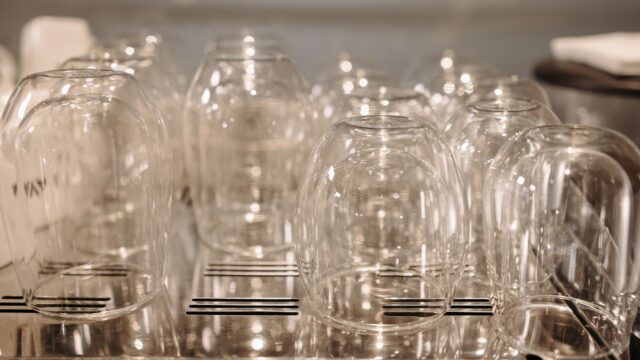
- Put plastics and delicate glasses on the top rack, secured so they won’t flip.
- Keep items from touching each other so they don’t chip or knock.
- Don’t overload; water needs room to reach every surface.
- Remove labels and stickers from jars first; they can clog the filter.
How to read a dishwasher-safe label
Labels and symbols vary by maker, but a few patterns are common. A symbol showing plates or glasses under water drops usually means the item is dishwasher safe. “Top rack only” means keep it away from the heating element and the strongest spray at the bottom. Some labels add a temperature limit or warn against high-heat drying or sanitize cycles. If an item has no label and you can’t find the manufacturer’s instructions, treat it as hand-wash only.
Labels can also change over a product’s life. Older plastic containers that have gone cloudy, cracked or warped may no longer stand up to heat, even if they were originally labeled dishwasher safe.
What to do with things that went in by mistake
Rinse and dry a cast iron pan at once and re-season it with a thin coat of oil heated on the stove. Dry wooden items upright and let them air-dry fully; light sanding and food-safe oil can rescue small raised grain. A dulled knife can be resharpened. Damaged nonstick that’s flaking should be replaced.
Bottom line
When an item is valuable, sentimental, sharp, wooden, cast iron or insulated, hand-wash it. For everything else, the manufacturer’s “dishwasher safe” label is the best guide. A few extra minutes at the sink can save you a ruined pan or a dull knife.
FAQ
Can a dishwasher-safe item still get damaged?
Yes, especially over many cycles or on hot settings. Labels usually assume normal use; the top rack and lower heat are gentler.
Is it OK to wash baby bottles in the dishwasher?
Many bottles are labeled dishwasher safe for the top rack. Follow the bottle maker’s instructions and use a basket for small parts.
What should I do if plastic melts onto the heating element?
Turn off the dishwasher’s power at the breaker and let the element cool completely. Check your manual before scraping; if the element is damaged or you smell burning, call a technician.