Refrigerator Humidity: Crisper Drawer Settings and Produce
Use the low-humidity crisper for fruit that rots and the high-humidity one for greens. Learn what goes in each drawer and what belongs on the counter.
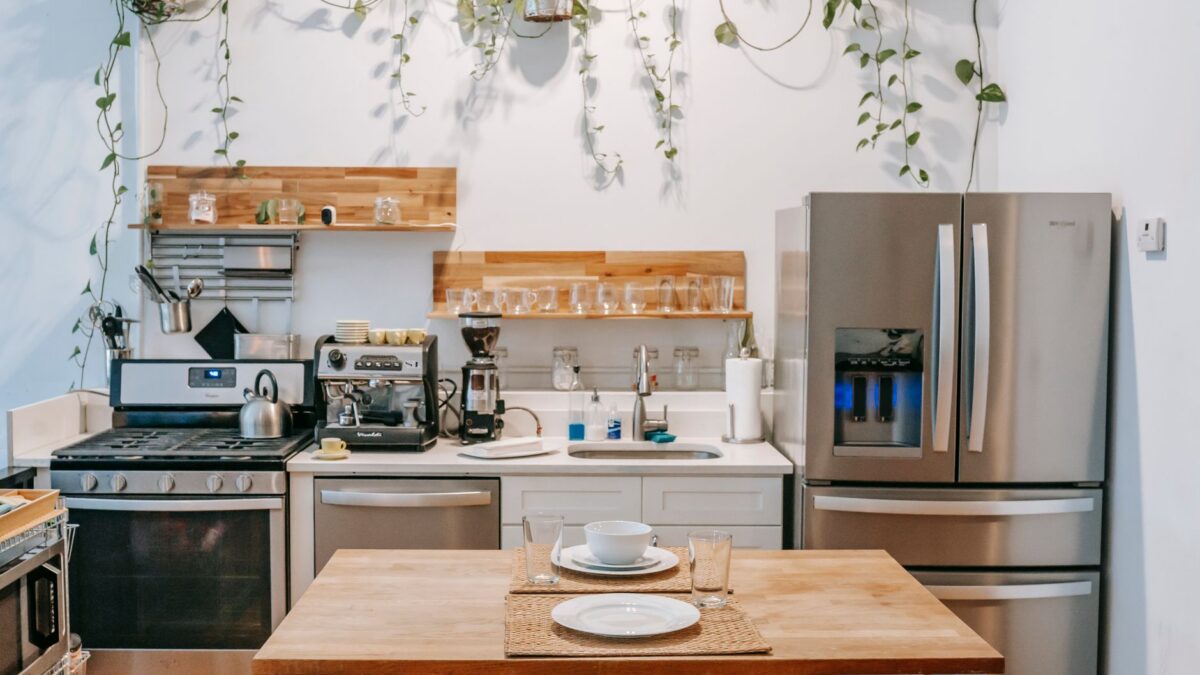
You control humidity in a refrigerator with the crisper drawers. A low-humidity drawer lets some air move through, so it suits fruit that tends to rot. A high-humidity drawer is closed up tighter, so it suits vegetables and greens that tend to wilt. A few items, such as tomatoes, bananas, potatoes, onions and garlic, are better off outside the fridge.
This guide follows the advice of Iowa State University Extension and Outreach and explains how to use each drawer.
What do the humidity settings on a crisper drawer mean?
The setting controls how much of the drawer’s opening is left free for air. Many refrigerators have a sliding vent or a dial on each drawer. Open the vent and air flows through, so the drawer is low humidity. Close it and the drawer holds more of the moisture that the produce gives off, so it is high humidity.
Some models skip the slider and label the drawers instead. According to Iowa State, a drawer marked for fruit works as the low-humidity one, and a drawer marked for vegetables works as the high-humidity one. If your drawers have no label and no vent, check the owner’s manual for your model.
Why does ethylene matter in the fridge?
Some produce releases a gas called ethylene as it ripens. Other fruit ripens faster, then spoils, when it is near that gas, and the fruit giving off the gas also ages faster. When ethylene-producing fruit sits in the low-humidity drawer, some of the gas escapes through the open vent, which keeps the produce in that drawer fresh longer.
Greens and other vegetables that lose moisture quickly belong in the high-humidity drawer, and ethylene-producing produce should stay out of it. In a closed drawer the gas has nowhere to go, and it can make sensitive vegetables wilt.
Which produce goes in the low-humidity drawer?
Put fruit that tends to rot in the low-humidity drawer, with the vent open. The general rule from the extension service is that fruit prefers low humidity. Keep the drawer for fruit alone, so the ethylene it releases has a place to escape and does not reach your vegetables.
Which produce goes in the high-humidity drawer?
Put greens, and anything else that loses moisture quickly, in the high-humidity drawer, with the vent closed. The tighter seal keeps the moisture in. Vegetables in general prefer high humidity. Keep fruit that gives off ethylene out of this drawer so the leaves do not go limp.
What should stay out of the refrigerator?
Iowa State lists a few exceptions to the fruit and vegetable rule:
- Tomatoes: cold can dull their flavor and make them overly soft, so keep them on the counter.
- Bananas: they stop ripening in the fridge and the skins turn black, so the counter is better.
- Potatoes and sweet potatoes: they prefer cool, dry conditions and do not need refrigeration.
- Onions and dry garlic: same as potatoes, store them cool and dry.
How do you keep the drawers working well?
A drawer only does its job if it is clean and nothing blocks the vent. Wipe up leaks and wilted leaves promptly. When you take the drawers out, clean the glass above them with care, as in this guide on cleaning glass refrigerator shelves without cracking them. If water collects at the bottom of the fridge compartment rather than in the drawer, the cause may be a blocked drain, covered in how to clean a refrigerator defrost drain.
Produce set to the right drawer lasts longer, and that can mean less food thrown out. If you want to see what a refrigerator costs to run, the appliance electricity cost calculator estimates it from your own numbers.
Quick answers
Should the crisper vent be open or closed?
Open it for fruit, which makes the drawer low humidity, and close it for vegetables and greens, which makes it high humidity.
Can I put fruit and vegetables in the same drawer?
You can, but they keep better apart. Fruit that gives off ethylene can speed up spoilage in nearby produce, and vegetables that lose moisture do better in a tighter drawer.
Do I need to refrigerate tomatoes?
No. Iowa State advises keeping tomatoes on the counter, because cold can dull their flavor and soften them.
My drawers have no humidity control. What now?
Look for drawer labels for fruit and vegetables, or check your manual. A fruit drawer is the lower-humidity one and a vegetable drawer is the higher-humidity one.
Checked against official sources in November 2026. Hours, prices and rules change: confirm on the official page before you go or apply.