How to Make Room in the Fridge for Holiday Cooking: What to Move Out
Make room in the fridge for holiday cooking by moving drinks and sturdy produce to a cooler or the counter. See what is safe out and for how long.
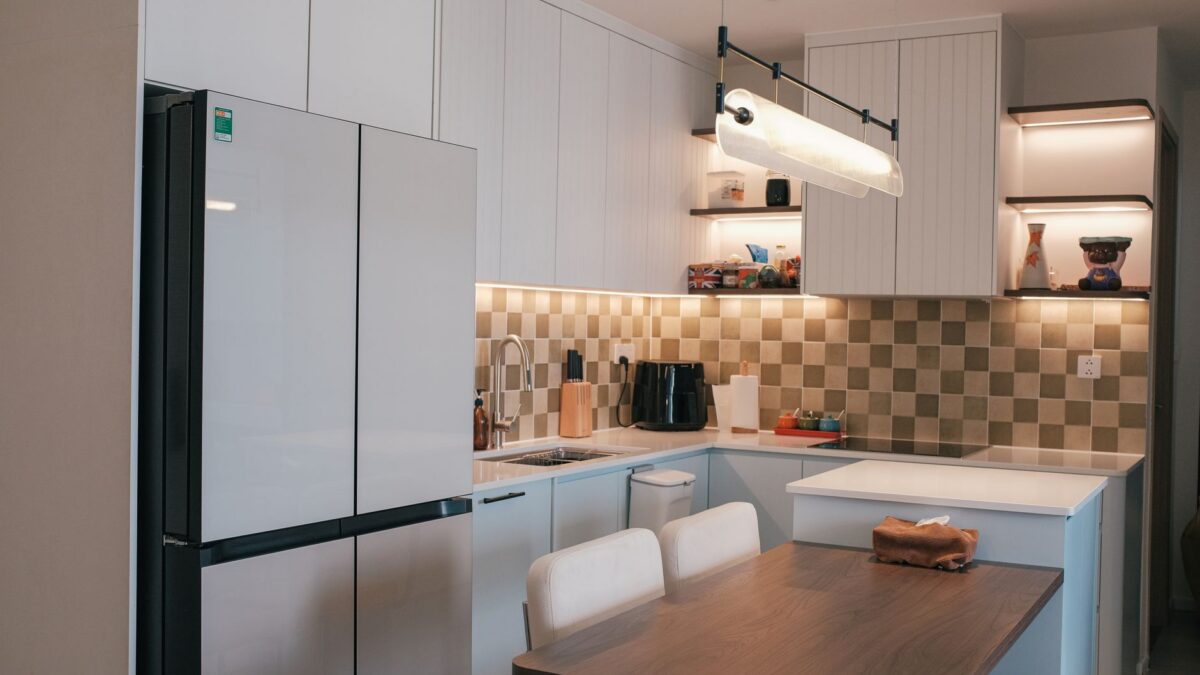
To make room in the fridge for holiday cooking, move drinks, whole uncut produce and unopened shelf-stable items out first, and keep raw meat, dairy, eggs, cooked leftovers and cut produce inside at 40°F (4°C) or below. Drinks and extra produce can go in a cooler packed with ice, as long as the cooler stays at 40°F (4°C) or colder. Perishable food left at room temperature should go back in the cold within 2 hours, or 1 hour if the room is above 90°F (32°C).
Which foods have to stay in the refrigerator?
Anything perishable that bacteria can grow in needs steady cold, so it keeps its spot in the main fridge. That list includes:
- Raw turkey, ham, roasts, poultry and seafood, including a turkey that is thawing
- Milk, cream, soft cheeses, yogurt and eggs
- Cooked dishes, gravy, stuffing and leftovers
- Cut fruit, cut vegetables, bagged salad greens and fresh herbs
- Pies with egg or dairy fillings, such as pumpkin and custard pies, and cheesecake
- Opened jars that say “refrigerate after opening,” such as mayonnaise, jam and salad dressing
Put raw meat on the bottom shelf in a tray or rimmed pan so juices cannot drip onto ready-to-eat food. The USDA Food Safety and Inspection Service recommends keeping the fridge at 40°F (4°C) or below and the freezer at 0°F (-18°C).
What can sit out on the counter or in the pantry?
Many items take up fridge space by habit and are fine at cool room temperature for a few days. Good candidates to pull out:
- Whole potatoes, sweet potatoes, onions, garlic and winter squash (keep them in a cool, dark spot)
- Whole tomatoes, bananas, avocados that still need to ripen, and whole citrus for the short term
- Bread, rolls and most baked goods without cream or custard
- Fruit pies such as apple or cherry, which can stay at room temperature for about 2 days
- Unopened canned goods, boxed broth and shelf-stable sauces
- Butter for a day or two in a covered dish, if the kitchen stays cool
Whole apples, pears and citrus keep longer in the cold, but a few days on the counter will not harm them. Once you cut any fruit or vegetable, it goes back in the fridge.
What should go in a cooler?
A cooler works best for items that are sealed and handle small temperature swings well. Drinks are the obvious choice: soda, beer, wine, sparkling water and juice boxes take up a lot of shelf space and only need to be cold for serving. Other good fits are whole produce you want chilled (apples, carrots, celery heads), unopened hard cheeses, extra butter and backup sticks of cream cheese still in their foil.
If you have an extra beverage cooler, drinks can live there for the whole week. A unit that struggles to hold its temperature may need attention, and the guide on fixing thermoelectric and compressor wine fridges covers the common faults.
Keep raw meat in the main fridge if you can. If it has to go in a cooler, use a separate cooler for it, pack it with plenty of ice, and keep it below the other foods.
How do you keep a cooler cold enough for food?
A cooler holds food safely when the inside stays at 40°F (4°C) or below, so check it with an appliance thermometer rather than guessing by touch. These steps help:
- Chill the cooler first by filling it with ice or cold water for an hour, then empty it.
- Pack it full. Empty air space warms faster than a cooler crowded with cold items and ice.
- Use block ice or frozen gel packs on the bottom and loose ice on top. Block ice melts more slowly than cubes.
- Keep the cooler in the shade or indoors, away from heat vents, the oven and sunny windows.
- Open it as little as possible. A separate drinks cooler keeps people out of the food cooler.
- Drain meltwater and add fresh ice as needed, and keep sealed food out of standing water.
Frozen water bottles do double duty: they act as ice packs and become drinking water once they thaw.
Is it safe to store food in the garage, on a porch or in the car?
A cold garage or porch is a poor substitute for a fridge. Outdoor temperatures swing during the day, sun on a car or a porch can warm food well above 40°F (4°C) even when the air feels cold, and animals can get into containers. If you use a garage or porch at all, keep the food in a closed cooler with ice and an appliance thermometer inside. Do not leave perishable food in a car.
How can you free up shelf space before the big cooking days?
Start a few days ahead so you are not rearranging shelves with a turkey in your arms.
- Use up or throw out old leftovers and expired items, and wipe down the shelves. If the doors need attention too, see this comparison of cleaners for stainless steel fridge doors.
- Move condiments you will not need this week into one bin so they come out together.
- Take produce out of bulky packaging and store it in flat containers or bags.
- Choose square, stackable containers for make-ahead dishes instead of round bowls.
- Plan where the turkey will thaw. Thawing in the fridge takes about 24 hours for every 4 to 5 pounds (about 2 kg), so a large bird can occupy a shelf for several days.
Leave some space around the vents at the back and between items. A packed fridge with blocked airflow cools unevenly and runs longer, and the extra running sound is usually normal; the guide on normal compressor sounds versus signs of trouble explains which noises matter.
Quick answers
Can I thaw a turkey in a cooler?
Yes, using the cold water method. Keep the turkey in a leak-proof bag fully covered with cold tap water, and change the water every 30 minutes. Allow about 30 minutes per pound, and cook the turkey right after it thaws.
How long can holiday food sit out on the table?
Perishable food should be put away within 2 hours of coming out of the oven or fridge, or within 1 hour if the room is above 90°F (32°C). After that, throw it out. FoodSafety.gov has charts for leftovers and cold storage.
Do I need to refrigerate pumpkin pie?
Yes. Pumpkin pie is a custard pie made with eggs and milk, so it belongs in the fridge once it has cooled. Fruit pies can stay out for about 2 days.
Should leftovers cool on the counter before going in the fridge?
No. Put leftovers in the fridge within 2 hours. Divide large amounts of food into shallow containers so they cool quickly and fit more easily on crowded shelves.