Winter Storm Power Outage Checklist: Fridge, Sump Pump, Water Heater
Before a winter storm power outage, set the fridge to 40°F (4°C) or colder, test the sump pump and check the water heater. Steps for each appliance.
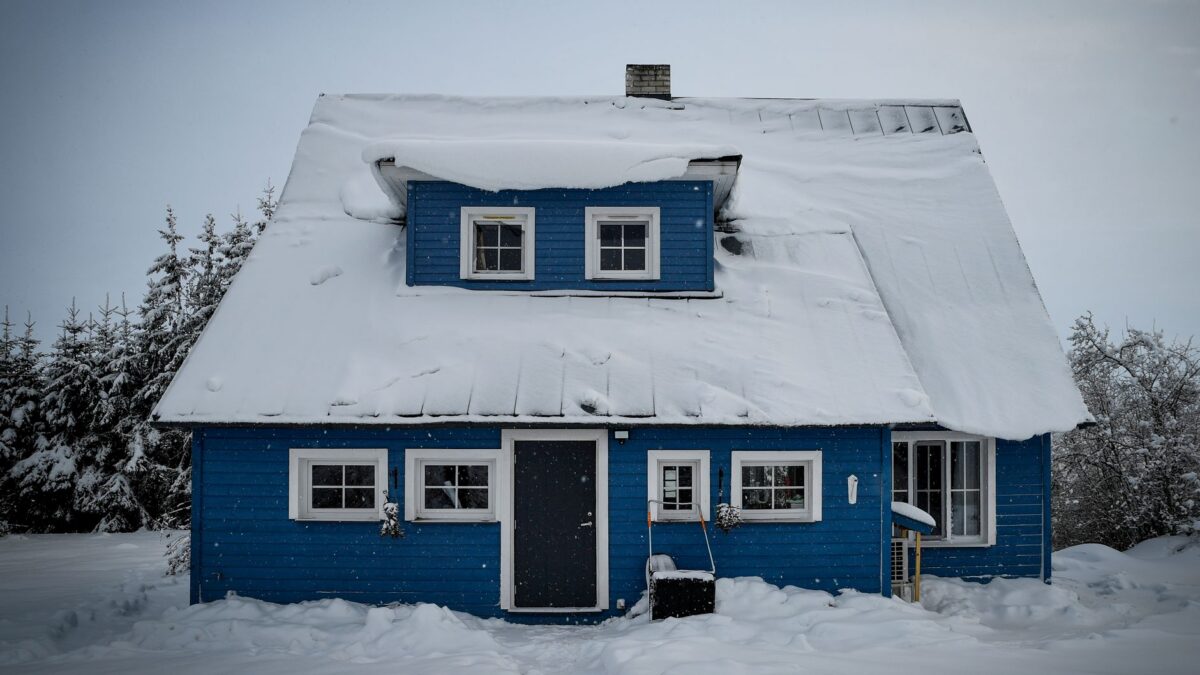
Before a winter storm cuts the power, set the refrigerator to 40°F (4°C) or colder and the freezer to 0°F (-18°C), confirm both with appliance thermometers, test the sump pump and its backup, and learn how your water heater behaves without electricity. A closed refrigerator keeps food safe for about 4 hours, and a full freezer holds its temperature for about 48 hours (about 24 hours if half full).
The steps below cover each appliance, plus pipes and the main water valve, so you can finish them in an afternoon before the storm arrives.
What should I do with the fridge and freezer before the storm?
Turn both to a colder setting a day or so ahead, and put a thermometer in each so you can check temperatures later without guessing. Food that starts out very cold lasts longer once the power fails.
- Fill empty freezer space with containers of water, which freeze into blocks that help hold the cold. Leave room for expansion.
- Pack food closely together in the freezer. A full freezer stays cold longer than a half-empty one.
- Move items you will want first, such as milk and leftovers, to the front, so the door stays open for seconds, not minutes.
- Keep a cooler and bagged ice or frozen containers ready for the most perishable foods.
- Check that door gaskets seal. A strip of paper closed in the door should resist being pulled out.
How long will food stay safe once the power is out?
Keep doors shut. The USDA’s guidance is that an unopened refrigerator keeps food cold for about 4 hours, a full freezer for about 48 hours and a half-full freezer for about 24 hours. Perishable food that has been above 40°F (4°C) for 2 hours or more should be thrown out.
The thermometer inside the fridge is the only reliable test, since smell and appearance do not show whether harmful bacteria have grown. Details on what to keep, refreeze or toss are in our guide to what to do with food after a power outage. The U.S. Department of Agriculture’s Food Safety and Inspection Service publishes the same timings and a longer food-by-food list.
How do I get a sump pump ready for a winter outage?
Test it now, because a pump that fails during a thaw or heavy rain can flood a basement. Pour a bucket of water into the pit until the float rises, and confirm the pump starts, empties the pit and shuts off.
- Clear debris from the pit and check that the float moves freely.
- Walk outside and make sure the discharge pipe is open at the end and not blocked by ice, snow or leaves.
- Look at the check valve on the discharge line. It should stop water from flowing back into the pit.
- If you have a battery backup, check that the battery is charged and the unit’s alarm or indicator shows normal. Replace batteries on the maker’s schedule.
A standard pump plugged into a wall outlet stops when the power fails, so a battery or water-powered backup is the usual way to keep it working. If you use a portable generator, run it outdoors only and well away from the house, windows and doors. The U.S. Consumer Product Safety Commission warns that generator exhaust contains carbon monoxide, so keep working carbon monoxide alarms on each level of the home.
What happens to the water heater in a power outage?
An electric tank water heater stops heating when the power fails, but the insulated tank keeps its water hot for many hours if you avoid drawing it down. A gas tank with a standing pilot light often keeps heating, while models with electronic ignition, power venting or electronic controls, and tankless units, need electricity to run.
Check the label or manual for which type you have, and do not relight or adjust a gas unit if you smell gas. The tank also holds many gallons of water that can serve as a backup supply for drinking and washing. To use it, turn off the electricity or gas first, close the cold water inlet valve, and let the water cool before drawing it from the drain valve.
When power returns, make sure the tank is full of water before an electric unit is switched back on, because heating elements can burn out when dry. If the tank does not heat afterward, see the safe checks for gas and electric water heaters.
How do I protect pipes and find the main water valve?
Without heat, pipes in exterior walls, crawl spaces and garages can freeze and split. Know where your main shutoff is before you need it, because a burst pipe needs the water stopped fast. Our guide on how to shut off water to your house shows how to find it.
- Open cabinet doors under sinks on exterior walls so room air reaches the pipes.
- Let a faucet drip slowly on the coldest side of the house during a hard freeze.
- Close garage doors and foundation vents.
- If the house will be without heat for a long period, call a plumber about shutting off and draining the system.
The federal Ready.gov power outage page also lists items to gather ahead of time, such as flashlights, batteries, a charged phone and a battery-powered radio.
Quick answers
Should I put food outside in the snow?
Outdoor temperatures swing and sun can warm a container, so snow is not a dependable cooler. If you use a cooler outdoors, keep it shaded and closed, and check the food with a thermometer.
Can I run a refrigerator on a generator?
Many can, but compressors draw extra power when they start. Check the fridge’s rating in the manual, size the generator to match, use a heavy-duty outdoor extension cord and keep the generator outside.
Should I open the fridge to check on the food?
No. Each opening lets cold air out. Use the thermometer readings and the time since the power failed to decide.