Can You Put Cast Iron in the Dishwasher? What to Hand-Wash
Cast iron and good knives should be hand-washed, and roasting pans depend on the material. Here is what is safe in the dishwasher and why.
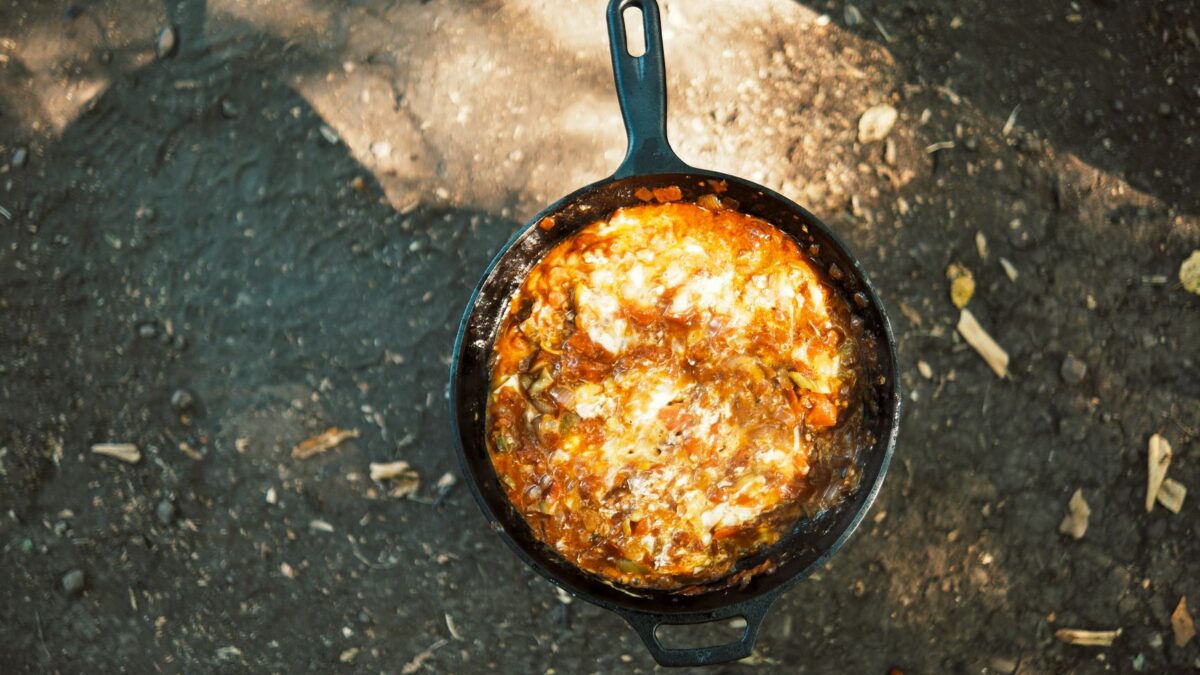
Cast iron and good kitchen knives should be washed by hand. A dishwasher strips the seasoning from cast iron and leaves it rusty, and it dulls and damages knife edges and handles. A roasting pan depends on its material: plain stainless steel usually survives, while aluminum, nonstick and enamel pans often do not. The manufacturer’s care instructions have the final word for any specific pan.
Can cast iron go in the dishwasher?
No. Cast iron relies on a layer of baked-on oil called seasoning, which gives it a slick surface and protects the bare metal from moisture. Dishwasher detergent is strongly alkaline and designed to dissolve fats, so it removes that layer. The long wet cycle and the standing moisture afterward then let rust form, often within hours.
Enameled cast iron is a different case. The glossy coating protects the metal, and many makers list their pieces as dishwasher safe. Even so, many manufacturers recommend hand washing because harsh detergent can dull the enamel over time and a knock against other dishes can chip it. Check the booklet before you load it.
If a dishwasher cycle has already rusted a skillet, the damage can be repaired:
- Scrub off the rust with steel wool or a stiff brush and plain water.
- Rinse and dry the pan completely, then warm it briefly on a burner.
- Wipe on a very thin coat of cooking oil, inside and out, then wipe off the excess so the surface looks nearly dry.
- Bake it upside down in an oven at 350 to 450°F (175 to 230°C) for about an hour, with a sheet pan below to catch drips, then let it cool in the oven.
Why do good knives belong at the sink?
Knives dull and corrode in a dishwasher. The blade knocks against other items, hot water and detergent attack the edge, and the high heat and long soak loosen handles. Wooden and composite handles can crack, swell or come apart, and the rivets and glue that hold a full-tang handle together can weaken. Even knives sold as dishwasher safe tend to keep an edge longer when washed by hand.
The routine takes about a minute per knife:
- Wash right after use with warm water, a drop of dish soap and a soft sponge, with the sharp edge facing away from you.
- Wipe from the spine side so your fingers never run along the edge.
- Dry with a towel straight away, because carbon steel rusts and even stainless steel can spot if left wet.
- Store in a block, on a magnetic strip or in a sheath, not loose in a drawer.
Is a roasting pan dishwasher safe?
It depends on what the pan is made of, and size is a second limit. A roasting pan often will not fit under the spray arms, and a large pan can block the arms from turning so the rest of the load comes out dirty.
- Stainless steel: usually safe. Pans with an aluminum core inside a stainless shell are generally fine too.
- Bare aluminum: not safe. Detergent turns it dull gray and leaves a chalky film.
- Nonstick coating: hand-wash. Detergent and abrasion wear the coating down over time.
- Enameled steel: check the instructions. Chips expose metal that rusts.
- Anodized aluminum: most makers say to hand-wash, because detergent can damage the surface.
Baked-on drippings are easier to remove by hand anyway. Soak the pan in hot, soapy water for 30 minutes to an hour, then scrub with a non-scratch pad. For stubborn spots on stainless steel, a paste of baking soda and water works without scratching.
What else should stay out of the dishwasher?
Wooden cutting boards, wooden spoons, copper, hand-painted dishes, thin crystal, some plastics and anything glued together are common casualties. The site’s list of items to hand-wash instead of loading covers 14 of them in more detail.
One more sign to check is the label. Pans and cookware carry a dishwasher-safe symbol or a line in the instructions, and manufacturers publish care guides on their support pages. Where the label and general advice disagree, follow the label. A dishwasher-safe claim can still describe the finish surviving, not the pan looking new after hundreds of cycles.
How do you keep the dishwasher itself in good shape?
Loading heavy, greasy cookware can leave food residue on the filter and spray arms. If the machine starts to smell after a heavy load, see why a dishwasher smells and how to fix it. Cloudy film on glasses and metal after washing often points to minerals in the water, which the guide on removing hard water stains from a dishwasher addresses.
Quick answers
Can I put a cast iron lid or griddle in the dishwasher?
No. Lids, griddles and grill pans made of bare cast iron have the same seasoning as skillets and rust in the same way. Wash by hand, dry on a burner and rub with a thin film of oil.
Is it safe to use soap on cast iron?
Yes. A little mild dish soap is fine on well-seasoned cast iron when hand washing. Dry it right away and wipe on a light coat of oil afterward. Soaking the pan in water for long periods is what causes rust.
Are knives labeled dishwasher safe really safe?
The label means the manufacturer expects the blade and handle to survive the cycle. Edge sharpness and handle life are still shorter than with hand washing, so hand washing remains the safer choice for a good knife.
Does a dishwasher cycle sanitize a pan?
Many machines have a heated or sanitizing wash option, but that does not change what the detergent does to cast iron or aluminum. For those materials, scrubbing by hand with hot, soapy water is sufficient for normal use.