How to Clean an Oven Before Thanksgiving Without Self-Clean
Clean an oven before Thanksgiving with a baking soda paste, a scraper and a soak for the racks. Why to skip self-clean that week and a cleaning timeline.
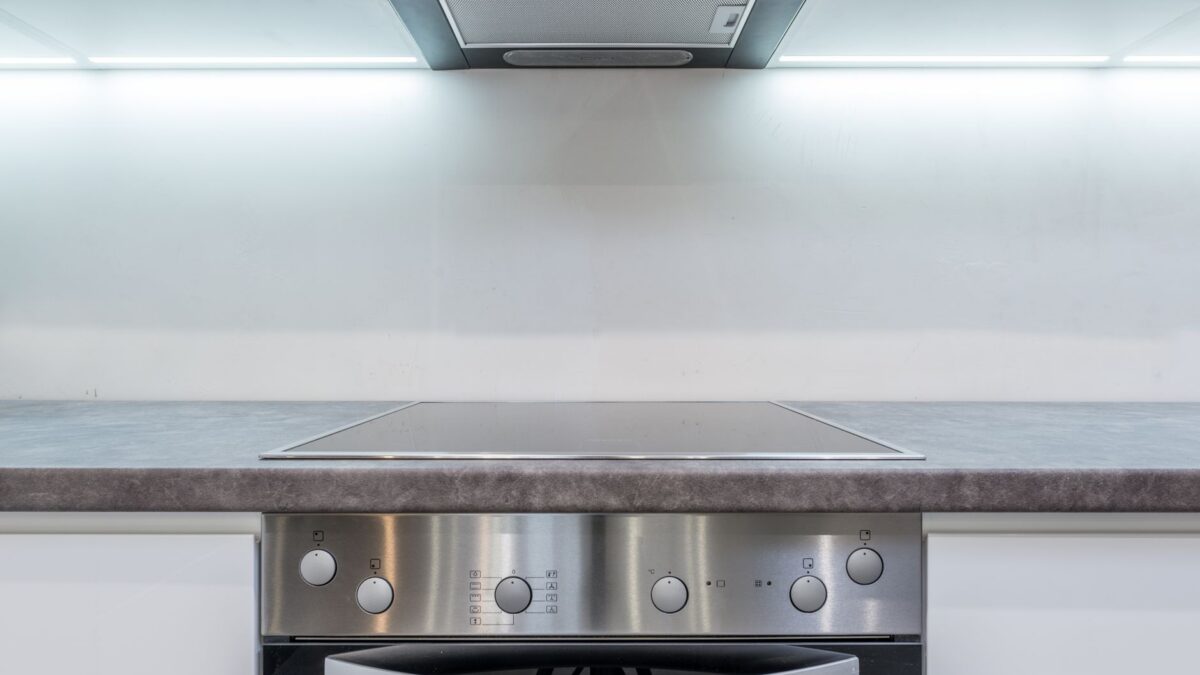
The safest way to clean an oven before Thanksgiving is by hand: spread a paste of baking soda and water on the cold interior, leave it overnight, then wipe and scrape it off and soak the racks separately. Start about a week before the holiday. Skip the self-clean cycle that week, because the cycle heats the oven far above cooking temperatures, locks the door for hours, and is a common time for an older oven to blow a fuse or fail a part when you need it most.
Why should you skip the self-clean cycle right before Thanksgiving?
A high-heat self-clean cycle runs the oven at roughly 800 to 1,000°F (about 430 to 540°C) for two to four hours, then keeps the door locked until it cools. That is a lot of stress on heating elements, thermal fuses, door locks and control boards, and when one of those parts gives out, repair visits in late November can take days to book. Running it the week of a big meal is a gamble with the turkey.
There are other reasons to wait:
- Heavy buildup burns off as smoke and odor, which can set off smoke alarms and fill the kitchen.
- Fumes from the cycle can harm pet birds, so bird owners should move them well away or avoid the cycle entirely.
- The oven is out of use for most of a day, counting cool-down time.
If you want to use self-clean, run it at least two to three weeks ahead so there is time for a repair. The guide to how high-heat and steam self-cleaning ovens work explains the difference between the two cycles and which one your oven has.
What do you need to clean an oven by hand?
A basic hand clean uses cheap, mild supplies most kitchens already have:
- Baking soda (about 1/2 cup, or 120 ml, for an average oven)
- Water, in a small bowl and a spray bottle
- A plastic scraper or old plastic card
- Non-scratch scrub pads and microfiber cloths
- Dish soap for the racks
- Rubber gloves
Avoid steel wool and metal scrapers on the enamel interior, since scratches make spills stick faster next time.
How do you clean the oven interior step by step?
Work only on a fully cool oven that is turned off. On a gas oven, keep paste and water away from the burner ports and igniter.
- Take out the racks, the thermometer probe and anything stored inside.
- Mix the baking soda with a few tablespoons of water to make a spreadable paste.
- Spread it over the floor, back and sides with gloved hands or a spatula. Leave the heating elements, the temperature sensor and the door gasket alone.
- Let it sit for at least 12 hours. The paste turns brown as it loosens grease.
- Wipe away the paste with a damp cloth, using the plastic scraper on stuck spots.
- Spray lightly with water and wipe again until no white film remains. Repeat on any spot that is still sticky.
- Dry the interior with a clean cloth, then run the oven empty at a normal baking temperature for 15 to 20 minutes to drive off leftover moisture.
How do you clean oven racks without the self-clean cycle?
Soaking does most of the work on racks. Lay an old towel in a bathtub or large utility sink to protect the surface, add the racks, and cover them with the hottest tap water you have plus a generous squirt of dish soap. After several hours or overnight, scrub with a non-scratch pad, rinse and dry. Racks with a gray or dark porcelain finish can usually stay in during self-clean, but shiny chrome racks should never go through that cycle, as the heat discolors them and makes them hard to slide.
Is commercial oven cleaner safe to use?
Commercial oven cleaner works fast on heavy, baked-on grease, but it is a strong alkaline product and must be used exactly as the label says. Check your owner’s manual first: many makers of self-cleaning ovens say not to use oven cleaner on the interior because it can damage the special enamel. If your manual allows it, wear gloves and eye protection, open a window, keep children and pets out of the kitchen, and never combine it with any other cleaner. The EPA Safer Choice program lists cleaning products that meet its safer-ingredient standard, if you want a milder option.
What about the oven door and the rest of the range?
Clean the inside of the door glass with the same baking soda paste, left for 20 to 30 minutes, then wipe it off. Streaks between the panes need the door partly taken apart; the walkthrough on cleaning oven door glass, including the gunk between the panes covers that. Wash knobs, the control panel and the cooktop with warm soapy water and a well-wrung cloth, since excess liquid behind the knobs can reach electrical parts. Grease often spreads to nearby surfaces, so the cabinet doors next to the range may need a wash too; a mild dish soap solution followed by a rinse works, as described in this guide to cleaning kitchen cabinets without leaving residue.
How do you keep the oven clean on Thanksgiving Day?
Catch drips before they burn on. Place a rimmed sheet pan on the rack below the roasting pan or a bubbling casserole. Do not lay aluminum foil on the oven floor or cover vents with it: many manufacturers warn that foil there can block airflow, trap heat and fuse to the enamel. If something spills during cooking, let it cool after dinner and wipe it while it is still soft. A quick check that the oven reaches temperature a day or two before the holiday will tell you whether a part needs attention while there is still time to fix it.
Quick answers
How far ahead of Thanksgiving should I clean the oven?
About a week ahead for a hand clean, and two to three weeks ahead if you plan to use self-clean, which leaves time for a repair if a part fails.
Can I use the steam clean setting instead?
Yes. Steam clean runs at low temperatures for a short time and handles light soil without the stress of a high-heat cycle. It will not remove thick, baked-on grease, so pair it with a baking soda paste for heavy spots.
Is it safe to cook right after cleaning with baking soda?
Yes, once you have wiped away all the residue and heated the empty oven briefly to dry it. Leftover powder can smoke a little, so wipe until no white film shows.
What if my oven smells after cleaning?
A faint smell usually comes from leftover residue or grease on the elements. Wipe the interior once more with plain water and heat the empty oven with a window open.