What Cookware Works on Induction? Magnet Test, Materials, Discs
You may already own more induction-ready pans than you think. A fridge magnet and a quick look at the base will tell you.
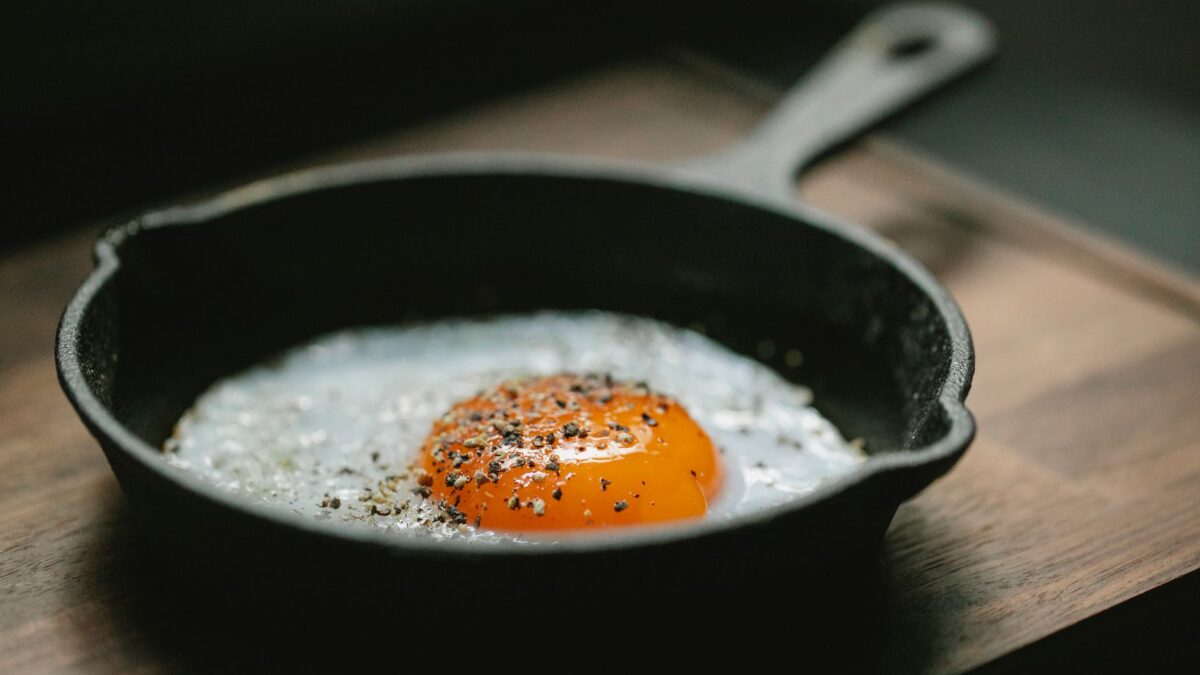
Induction cooktops work only with cookware that has a magnetic (ferromagnetic) base. If a fridge magnet sticks firmly to the bottom of the pan, it will almost certainly work. Cast iron, enameled cast iron, carbon steel and many stainless steel pans pass; plain aluminum, copper, glass and ceramic don’t unless they have a magnetic plate bonded to the base. Interface discs can make non-magnetic pans usable, but they reduce efficiency and responsiveness.
Why induction needs magnetic pans
Under the glass of an induction cooktop are coils that create a rapidly changing magnetic field. In a magnetic metal pan, that field generates heat directly in the base of the pan. Non-magnetic materials don’t respond the same way, so the cooktop either won’t heat them or won’t detect a pan at all. For a broader look at how induction compares with gas, see our gas vs induction cooktop guide.
The magnet test
What you need
- Any fridge magnet (stronger is better)
- The pans you want to check
- Turn the pan over and hold the magnet to the center of the base.
- Check the grip. A firm grip means the pan should work well. A weak grip means it may heat poorly or not be detected.
- Test around the base. Many aluminum pans have a smaller steel disc bonded to the bottom. If the magnet only sticks in the center, the magnetic area may be smaller than the pan; it will heat, but mostly in that zone.
- Look for a symbol. Many induction-ready pans show a coil-shaped symbol or the word “induction” on the base or packaging.
Materials compared
| Material | Works on induction? | Notes |
|---|---|---|
| Cast iron | Yes | Heavy; lift rather than slide to avoid scratching glass |
| Enameled cast iron | Yes | Smooth enamel base is gentle on glass |
| Carbon steel | Yes | Lighter than cast iron; responds quickly |
| Stainless steel, magnetic grades | Yes | Many clad pans have a magnetic outer layer |
| Stainless steel, non-magnetic grades | Often no | Some 18/10 and other 300-series pans aren’t magnetic unless clad |
| Aluminum | Only with a magnetic base plate | Look for a bonded steel disc |
| Copper | Only with a magnetic base plate | Some copper lines include one |
| Glass, ceramic, stoneware | No | Unless specially made with a magnetic layer |
| Nonstick pans | Depends on the body | Check the base with a magnet |
Other things that matter
Pan size and zone detection
Induction cooktops detect a pan and only heat when one is present. Each zone usually has a minimum base diameter; a small pan or espresso pot may not be detected on a large zone. Your cooktop’s manual lists minimum sizes. Bridge or flexible zones can handle larger pans like griddles.
Flat bottoms
A flat base sits in good contact with the glass and heats evenly. Warped pans may wobble, heat unevenly or trigger “no pan” signals.
Noise
Some pans buzz or hum at high power, especially multi-layer pans. That’s usually normal, from vibration in the layers. It often fades at lower settings or with a heavier pan.
Weight and scratching
The glass-ceramic surface is tough but can scratch or, rarely, crack if something heavy is dropped. Lift heavy pans instead of dragging them, and keep the base clean.
Interface (converter) discs
An induction interface disc is a flat magnetic steel plate. You place it on the cooktop, and it heats up and passes heat to the pan on top, like a small electric hob. It lets you use a favorite copper or glass pot, but there are trade-offs:
- Heating is slower and less responsive.
- Energy efficiency drops, because you’re heating the disc and then the pan.
- The disc gets very hot and stays hot; handle it like a hot pan.
- Some cooktop manufacturers advise against them, or warn they can cause overheating; check your manual first.
Discs are best for occasional use, not as a permanent substitute for magnetic cookware.
Building an induction set on a budget
- Test everything you own first; many stainless and cast iron pieces already work.
- Prioritize the pans you use most: a large skillet, a saucepan and a stockpot.
- Cast iron and carbon steel are usually affordable options and work well.
- Check the spec sheet for “induction compatible” and the base diameter.
- Skip unverified claims; the magnet test is the reliable check.
Caring for induction-friendly cookware and the cooktop
- Wipe the cooktop with a damp cloth once cool; use cleaners labeled for glass-ceramic surfaces.
- Don’t heat empty pans at full power; thin pans and nonstick coatings can overheat quickly. Overheated nonstick coatings can release fumes that are especially harmful to pet birds.
- Season cast iron and carbon steel as the maker recommends.
If you’re also deciding on an oven or cooking zone, our guide to electric stove burners explains how coil and radiant cooktops differ from induction.
Bottom line
If a magnet sticks firmly to the base, the pan works on induction. Cast iron, enameled cast iron, carbon steel and many stainless pans are ready; plain aluminum, copper, glass and ceramic usually aren’t. Interface discs are a stopgap, not a solution. Test what you own before buying anything new.
FAQ
Does all stainless steel work on induction?
No. Some stainless grades aren’t magnetic. Clad stainless pans with a magnetic exterior work; test with a magnet.
Can I use my nonstick pans on induction?
Only if the base is magnetic. Many newer nonstick pans have a steel base plate; check with a magnet or look for the induction symbol.
Why does my pan make a buzzing sound?
Vibration in multi-layer pans at high power is common and usually harmless. Lowering the power or using a heavier pan often reduces it.
Will cast iron scratch my induction cooktop?
It can if dragged or if the base is rough. Lift it to move it and keep the base clean and smooth.