How to Keep a Garbage Disposal Clean: A Simple Weekly Routine
Most disposal grime lives on the underside of the rubber splash guard, not in the motor. A few minutes a week keeps odors and slow drains away.
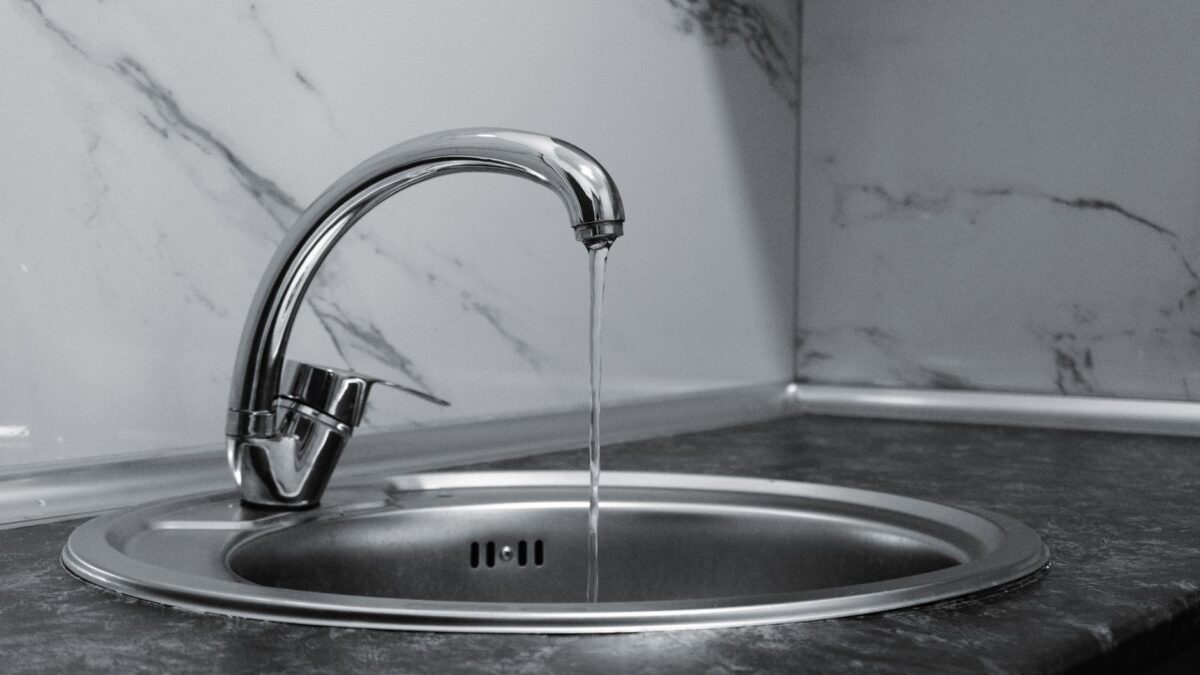
The easiest way to keep a garbage disposal clean is to run a strong flow of cold water every time you grind and for a few seconds after, scrub the underside of the rubber splash guard once a week, and do a quick ice and baking soda flush when buildup starts. The whole weekly routine takes about five minutes and costs almost nothing. Always switch off power at the wall switch and, for anything beyond flushing, unplug the unit or turn off the breaker, and never put your hand inside the grinding chamber.
Where the dirt actually builds up
A disposal is mostly self-rinsing. The parts that get grimy are the ones water does not scrub well:
- The splash guard (baffle). The flexible rubber flaps at the sink opening catch food film on their underside. This is the number one source of smell.
- The upper lip of the grinding chamber, just below the baffle.
- The drain line beyond the disposal, where grease and starchy sludge settle if not enough water follows the food.
Modern household disposals do not have knife-like blades. They use spinning lugs (impellers) on a turntable that fling food against a stationary grind ring. That is why “sharpening” tricks are less important than people think, and why rinsing water matters more.
What you need
- Dish soap and an old toothbrush or a long-handled bottle brush
- Baking soda
- A tray of ice cubes
- Coarse salt (optional)
- Tongs (for retrieving anything that falls in)
The weekly routine (five minutes)
- Turn the disposal off at the wall switch. For a deeper clean, unplug it under the sink or switch off the breaker.
- Scrub the splash guard. Many baffles lift straight out; check your manual. If yours does, wash it in hot soapy water. If not, fold the flaps up with the brush and scrub the underside and the chamber’s upper rim with soapy water.
- Restore power and flush. Run cold water at a steady stream, turn the disposal on, and let it run for 15 to 30 seconds.
- Finish with a soapy rinse. Put the stopper in, fill the sink a few inches with warm soapy water, then pull the stopper and run the disposal while it drains. The rush of water helps clear the line.
Monthly or as needed: the ice flush
Ice does not sharpen anything, but it does scour. Hard cubes bouncing around the chamber knock off film from the turntable and grind ring.
- Fill the chamber about halfway with ice cubes.
- Add a handful of coarse salt if you like; it adds scrubbing grit.
- Run cold water and turn on the disposal until the grinding sound stops.
- Follow with a quarter cup of baking soda and a warm water rinse. InSinkErator suggests a baking soda flush with warm water for clearing loose particles on its clogged disposal support page.
The citrus myth, explained
Grinding lemon or orange peel makes the sink smell fresh for a while. It does not clean much, and it does not sharpen anything. Citrus rinds are listed as fine to grind by at least one major manufacturer, so a few small pieces are harmless. Just do not rely on peels to mask a smell; a lasting odor means food residue is trapped somewhere and needs scrubbing. Our guide to getting the bad smell out of a disposal covers stubborn cases.
Habits that keep it clean between cleanings
- Use cold water while grinding. Manufacturer guidance is to run a moderate flow of cold water during and after grinding. Fats stay solid in cold water and are more likely to be carried away rather than smeared along the pipe. Hot water is fine between grinding sessions.
- Feed food gradually. Do not pack the chamber full and then switch on.
- Keep grease out completely. Wipe greasy pans with a paper towel before washing. Grease is the one thing every manufacturer says never to put down a disposal.
- Run it regularly. Using the disposal every few days keeps parts moving and stops scraps from sitting in the chamber.
- Know the problem foods. See what not to put in a garbage disposal.
What not to use
| Product | Why to skip it |
|---|---|
| Chemical drain cleaners | Harsh caustic or acid products can damage disposal parts and seals and are dangerous if they splash back during repair. Many manuals advise against them. |
| Bleach mixed with anything | Never mix bleach with vinegar, ammonia or other cleaners; toxic gases can form. If you need to use bleach at all, use it alone, diluted, and rinse well. |
| Steel wool or wire brushes | Can leave metal fragments and scratch the chamber. |
| Your hand | Even with the switch off, use tongs or a brush. If power must be off for the job, unplug or switch off the breaker. |
If anyone swallows or splashes a cleaning chemical, call Poison Control at 1-800-222-1222 (US).
When cleaning is not enough
If the sink drains slowly even after cleaning, the clog is likely in the trap or drain line. Try the steps in our guide on how to unclog a kitchen sink. If the disposal hums but will not turn, that is a jam, not a cleaning issue. Call a plumber if water backs up into both sides of a double sink or the dishwasher, or if you see leaks under the unit.
Bottom line
Cold water every time, a weekly scrub of the splash guard, and an occasional ice and baking soda flush will keep most disposals clean and odor-free. Skip harsh drain chemicals and treat citrus as an air freshener, not a cleaner.
FAQ
How often should I clean my garbage disposal?
A quick splash-guard scrub once a week and an ice flush every few weeks is plenty for most households. Heavy users may want to scrub twice a week.
Does ice really sharpen disposal blades?
No. Household disposals do not have sharp blades. Ice is useful as a scrubber, not a sharpener.
Is vinegar safe for a garbage disposal?
Diluted white vinegar is commonly used for deodorizing and is generally considered fine for occasional use. Never combine it with bleach.
Should I use hot or cold water?
Cold water while grinding, as manufacturers recommend. Warm soapy water is fine for rinsing when the grinding is done.