Gas Stove Burner Not Lighting? Fixes for Clicking, No Click, Weak Flame
If the igniter clicks but nothing catches, the fix is usually cleaning and reseating parts. If you smell gas, stop and get out.
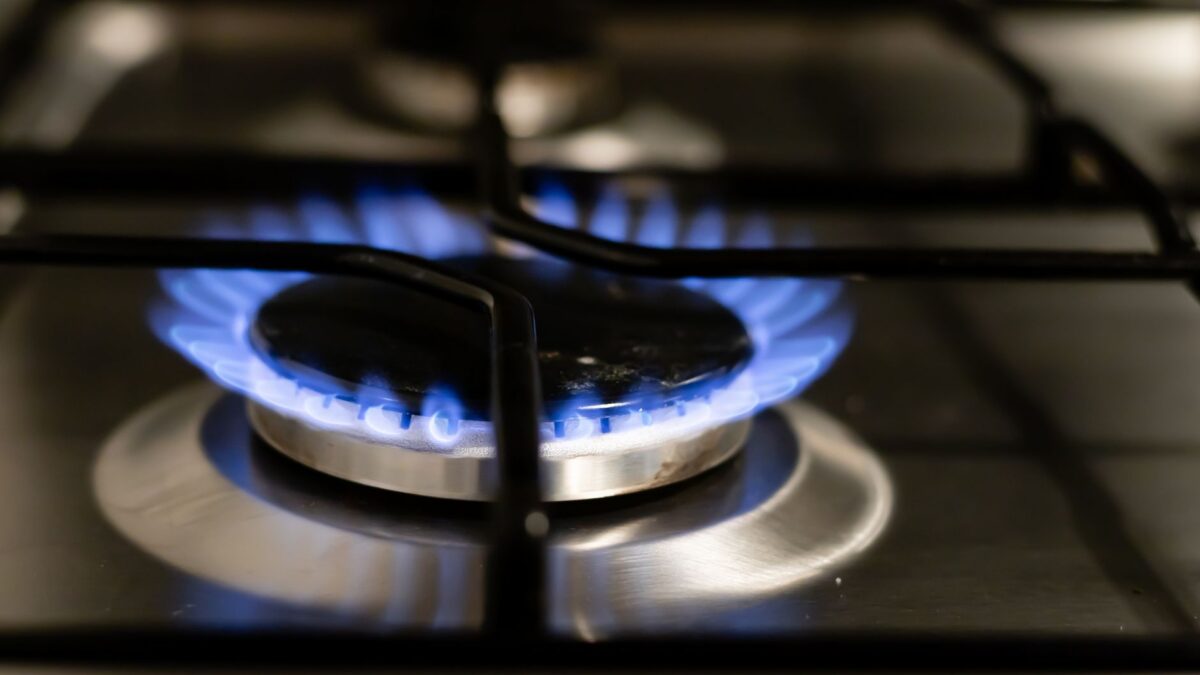
When a gas burner clicks but won’t light, the usual causes are clogged burner ports, a burner cap that isn’t seated correctly, or a wet or dirty igniter. Cleaning and drying the burner parts fixes most cases in 15–30 minutes. If you smell gas at any point, don’t touch switches or try to light anything: leave the home and call your gas utility or 911 from outside. Never attempt repairs on gas lines, valves or connections yourself.
Safety first
- Gas smell: a faint whiff for a second while a burner tries to light can be normal. A persistent smell is not. Leave, don’t use phones or switches inside, and call from outside.
- Turn every knob to OFF before you start, and let the burners cool completely.
- Unplug the range (or switch off its breaker) before cleaning around igniters. Igniters run on household electricity.
- Don’t keep clicking a burner that won’t light. Unlit gas collects. Turn it off and wait a few minutes before trying again.
- Have working carbon monoxide alarms installed as your local code requires.
Diagnose by symptom
| Symptom | Likely cause | What to try |
|---|---|---|
| Clicks, no flame | Clogged ports, cap misaligned, igniter dirty | Clean ports, reseat cap, clean igniter |
| Clicks, lights on one side only or weak flame | Partly clogged ports or crooked cap | Clean ports, reseat cap |
| No click on one burner, others fine | Igniter wire, igniter or switch fault | Clean and dry; if it persists, call a technician |
| No click on any burner | No power to range, tripped breaker, spark module | Check plug and breaker; then call a technician |
| Keeps clicking after lighting | Moisture or spill on switch or igniter, misaligned cap | Dry thoroughly; reseat cap; call a pro if it continues |
| Yellow, lazy or sooty flame | Poor air mix, dirty burner, wrong orifice | Clean; if still yellow, have it serviced |
| Gas smell | Possible leak | Leave and call from outside |
What you need
- Soft brush (an old toothbrush) and mild dish soap
- A sewing needle or thin straightened paper clip for clearing ports (avoid wooden toothpicks, which can snap off inside)
- Dry cloths and a hair dryer on cool, optional
- Your range’s manual (model number is often on a label under the cooktop, inside the drawer or the oven frame)
Step-by-step fix
- Turn off and unplug. All knobs off, range unplugged or breaker off, burners cool.
- Remove the grate, burner cap and burner head. On most modern sealed burners they lift straight off. Note how they sit.
- Inspect the ports. These are the small slots or holes around the burner head where the flame comes out. Spills and food often block them.
- Wash the cap and head in warm, soapy water with a soft brush. Clear blocked ports by gently pushing a needle straight in and out. Don’t enlarge or bend the holes.
- Dry completely. Water left in the ports or around the igniter is a very common reason for no lighting or nonstop clicking after cleaning. Air-dry for a few hours, or use a hair dryer on a cool setting.
- Clean the igniter. It’s the small white ceramic tip near the burner. Wipe it gently with a dry cloth or a brush with a little rubbing alcohol, then let it dry. Don’t bend it; the ceramic cracks easily.
- Reassemble carefully. Seat the burner head so it sits flat, then place the cap so it’s centered and level. A cap that’s even slightly off can stop the burner from lighting or cause an uneven flame.
- Test. Restore power, turn one burner to LITE, and watch. The flame should form a full, even, mostly blue ring.
Lighting during a power outage
Many gas cooktops can be lit with a long match or lighter when the power is out, because only the igniter needs electricity. Check your manual for the exact procedure, as not all models allow it. Hold the flame to the burner first, then turn the knob. Gas ovens with electronic controls generally won’t work without power.
Why the flame color matters
A healthy flame is mostly blue with small, steady tips. A large yellow or orange flame, soot on pans, or a flame that lifts off the burner suggests incomplete combustion, which can produce more carbon monoxide. A brief flicker of orange from dust or humidity is common; a constantly yellow flame needs service. Using your range hood when cooking with gas also helps with indoor air; our gas vs induction comparison covers ventilation and indoor air in more detail.
When to call a pro
- Immediately, from outside, if you smell gas: your gas utility or 911.
- No burners click at all after confirming power.
- One burner never sparks despite cleaning and drying, which suggests a failed igniter, switch, wire or spark module.
- Persistent yellow flames, soot or a flame that won’t adjust.
- Anything involving the gas valve, regulator, orifices, supply line or connector.
Use a qualified appliance technician or licensed gas fitter. Replacing igniters and spark modules involves electrical work on a gas appliance, and DIY repair may void the warranty. Check the manual and the manufacturer’s support pages before booking. While you have the cooktop apart, our guide to cleaning oven door glass can help with the rest of the range.
Bottom line
Most burners that won’t light just need clean ports, a dry igniter and a properly seated cap. Turn off and unplug first, clean gently, dry thoroughly and reassemble carefully. A gas smell overrides everything: leave the home and call from outside. Leave gas-side and spark-module repairs to a professional.
FAQ
Why does my gas burner click but not light?
Usually blocked ports, a misaligned cap or a wet igniter keep the spark from reaching enough gas. Clean, dry and reseat the parts.
Why does my burner keep clicking after it lights?
Moisture from a spill or cleaning is the most common cause. Let everything dry fully. If it continues, a switch may be faulty and needs a technician.
Can I use a toothpick to clean burner holes?
It’s better not to: wood can snap off inside. A sewing needle or thin wire pushed straight in and out works without enlarging the holes.
Is a yellow flame dangerous?
A constantly yellow flame can mean incomplete combustion and more carbon monoxide. Have the range serviced, and make sure you have working CO alarms.