How to Fix a Running Toilet: Flapper, Chain and Fill Valve Checks
That constant trickle wastes water every hour. The cause is almost always inside the tank, and most fixes take less than an hour.
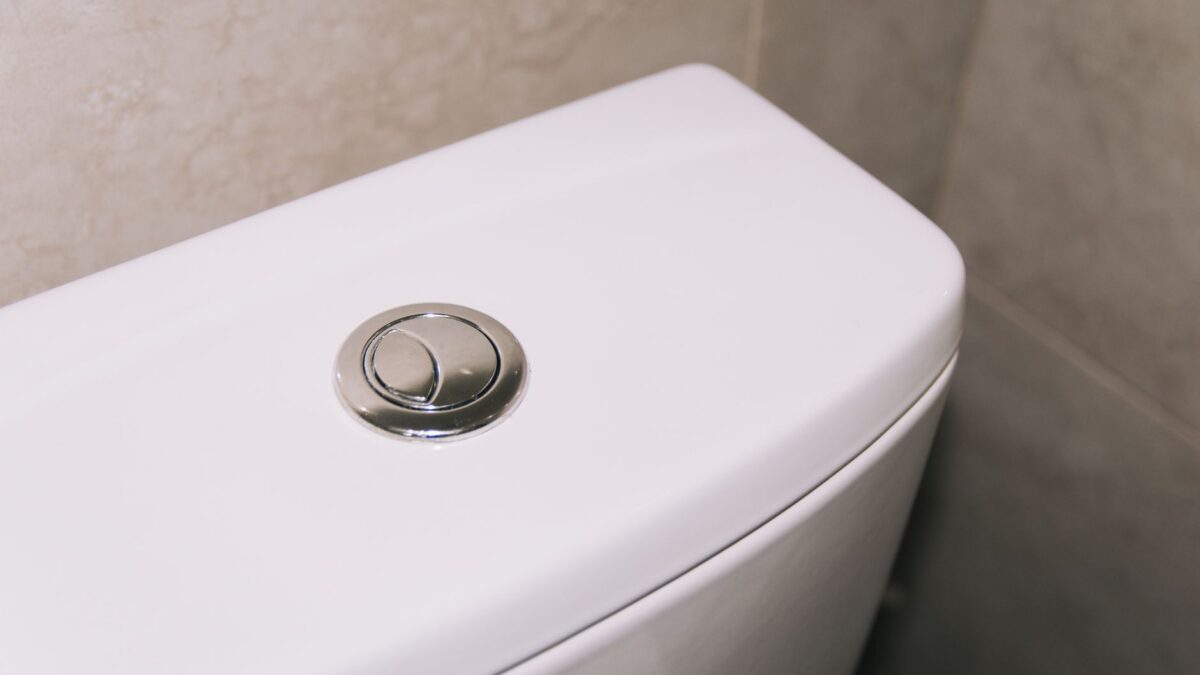
A toilet that keeps running is usually caused by one of three things inside the tank: a worn or warped flapper letting water leak into the bowl, a flapper chain that is too short or tangled, or a fill valve set too high so water spills into the overflow tube. Lift the tank lid and look: you can usually identify the cause in a few minutes, and the parts are inexpensive. Shut off the toilet’s supply valve before replacing anything.
It is worth fixing promptly. EPA’s WaterSense program lists worn toilet flappers among the most common household leaks, and a badly leaking toilet can waste a large amount of water every day.
How a toilet tank works
When you flush, the handle lifts a chain that raises the flapper (a rubber seal at the bottom of the tank), releasing water into the bowl. The flapper drops back and seals. The fill valve (the tall assembly on the left side, usually) refills the tank until a float reaches the set level and shuts it off. A small refill tube clipped to the overflow tube sends some water to the bowl. If anything in that sequence fails, water keeps flowing.
Find the cause
- Remove the lid and set it somewhere safe; it is heavy and breaks easily.
- Look at the water level. If water is spilling into the top of the overflow tube, the fill valve is the problem.
- If the water is below the overflow tube but the toilet still refills on its own every so often (a “phantom flush”), water is leaking past the flapper.
- Dye test: add a few drops of food coloring to the tank, do not flush, and wait about 10 to 15 minutes. Color in the bowl confirms a flapper leak. Flush afterward so the dye does not stain.
- Check the chain. It should have a little slack when the flapper is closed, roughly a half inch is a common guideline.
| What you see | Likely cause | Fix |
|---|---|---|
| Water flowing into overflow tube | Fill valve set too high or failing | Lower the float; replace fill valve if needed |
| Dye appears in bowl | Worn, warped or dirty flapper | Clean seat; replace flapper |
| Handle must be jiggled | Chain too tight, tangled or caught | Adjust chain length |
| Hissing, tank never fills fully | Fill valve not shutting off | Clean or replace fill valve |
| Refill tube spraying or loose | Tube off its clip | Clip it above the overflow tube’s water line |
What you need
- Replacement flapper and/or fill valve that fits your toilet (bring the old part or note the model inside the tank)
- Rubber gloves, sponge and towel
- Scrub pad (non-metal) for the flapper seat
- Adjustable wrench or pliers (only if you replace the fill valve)
- Small bucket
Fix 1: Adjust the chain
- Clip the chain to a different link on the handle arm so there is slight slack with the flapper closed.
- Trim excess chain that could get caught under the flapper, or hook it out of the way.
- Flush a few times to confirm the flapper opens fully and seals cleanly.
Fix 2: Replace the flapper
- Turn off the supply valve behind the toilet (clockwise) and flush to empty the tank. Sponge out remaining water.
- Unhook the chain and slide the old flapper’s ears off the pegs on the overflow tube, or slip off its ring.
- Wipe the flapper seat (the ring it rests on). Mineral buildup there can cause leaks even with a new flapper.
- Install the new flapper, centered over the drain opening, and connect the chain with slight slack.
- Turn the water back on, let the tank fill, and repeat the dye test.
Flappers come in common sizes (often 2-inch or 3-inch) and some are adjustable. Some toilets use a tower-style “canister” flush valve with a large seal instead of a flapper; the replacement seal is specific to the brand. Check the toilet maker’s support page with the model number printed inside the tank.
Fix 3: Adjust or replace the fill valve
Adjust the water level
The water level should sit below the top of the overflow tube; many tanks have a marked fill line. On a modern float-cup valve, turn the adjustment screw or slide the clip to lower the float. On an older ball-float style, gently bend the float arm down or use its adjusting screw.
Replace a worn fill valve
- Shut off the water, flush, and sponge the tank dry.
- Place a towel under the tank, then disconnect the supply line at the bottom of the tank.
- Unscrew the locknut under the tank and lift out the old valve.
- Install the new valve per its instructions, setting its height to match the overflow tube.
- Hand-tighten nuts plus a small turn. Overtightening can crack porcelain.
- Reconnect the supply, open the valve, check for drips, and set the water level.
Don’t forget the toilet supply valve
If the valve behind the toilet will not turn or leaks at the stem, close the main instead; see how to shut off water to your house. A stuck or leaking supply valve is worth replacing at the same time.
When to call a pro
- Cracks in the tank or bowl, or water on the floor around the base
- Leaks at the tank-to-bowl bolts that tightening by hand does not fix
- Supply valves that are seized or corroded
- Running continues after replacing both flapper and fill valve
If the toilet seems fine but your bill is still high, check the rest of the house; our guide on how to find a water leak explains the meter test. EPA’s Fix a Leak Week page has more leak checks.
Bottom line
Look in the tank first. Water spilling into the overflow tube means the fill valve; dye in the bowl means the flapper; a handle you have to jiggle means the chain. All three are inexpensive DIY fixes once you shut off the supply valve. Cracks and base leaks are plumber territory.
FAQ
Why does my toilet run for a few seconds every so often?
That “phantom flush” is usually water leaking slowly past the flapper. The tank drops, the fill valve tops it up. Replace or clean the flapper.
Can I fix a running toilet without turning off the water?
Chain and float adjustments, yes. To replace the flapper or fill valve, shut off the supply valve first.
How often should a flapper be replaced?
There is no fixed schedule. Replace it when it feels stiff, warped or slimy, or when the dye test shows a leak.
Are tank cleaning tablets bad for flappers?
Some toilet makers warn that in-tank chlorine tablets can degrade rubber parts. Check your toilet maker’s guidance.