Air Fryer Safety Tips: Placement, Cords, Recalls and Overheating
Practical safety rules for everyday air fryer use, how to check whether yours has been recalled, and what to do if something goes wrong.
The most important air fryer safety habits are simple: set it on a stable, heat-resistant surface with clear space around the vents, plug it directly into a wall outlet, keep it clean of grease, and unplug it when you are done. Register the product with the manufacturer and check for recalls on CPSC.gov, since several popular air fryers have been recalled for overheating. If the unit smokes heavily, sparks or smells of burning plastic, turn it off, unplug it if you can do so safely and stop using it.
Placement
- Stable, flat, heat-resistant surface. A countertop of stone, laminate or a sturdy heat-resistant mat works. Avoid soft or uneven surfaces and anything that can melt.
- Clearance around the vents. Air fryers pull in air and push out hot exhaust, usually from the back or top. Follow the clearance in your manual; blocked vents can make the unit overheat.
- Not under upper cabinets while running, if the manual requires overhead clearance. Hot exhaust and steam can damage cabinet finishes over time. Slide it out to the open counter for cooking.
- Not on or near the stovetop. A burner accidentally turned on under an air fryer can melt the base and start a fire.
- Away from water: not next to the sink or a draining rack.
- Away from the counter edge, where it can be knocked off, and out of reach of children’s grabbing hands.
Electrical safety
- Plug straight into a wall outlet. High-wattage cooking appliances can overheat extension cords and power strips. Most manuals say not to use them.
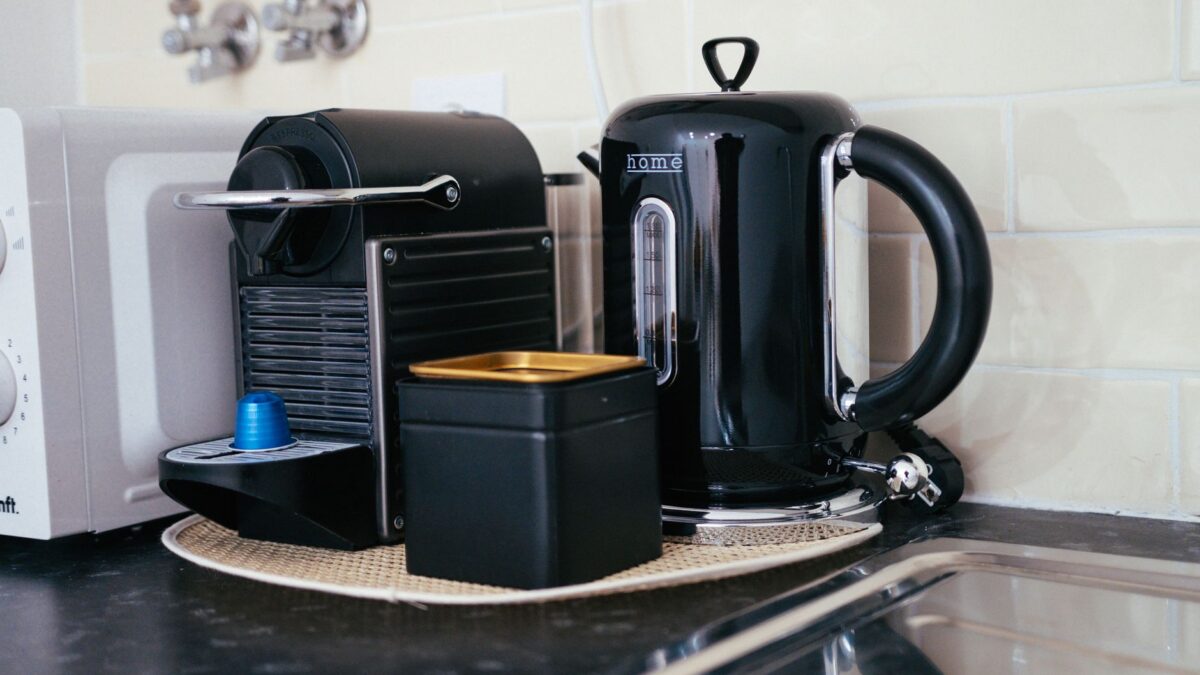
- Mind the circuit. Many air fryers are rated around 1,500–1,800 watts. On a 15-amp, 120-volt kitchen circuit, running one alongside a kettle or toaster can trip the breaker. If breakers trip often, see how to reset a tripped breaker and talk to a licensed electrician rather than working around it.
- Check the cord regularly. Do not use an appliance with a cracked, frayed or scorched cord or a plug that gets hot. Keep the cord away from the hot exterior and from hanging over the counter edge.
- Countertop outlets near water should be GFCI-protected, which current electrical codes require for kitchen countertop receptacles. If yours are not, a licensed electrician can advise.
- Unplug when not in use, and always before cleaning.
The Electrical Safety Foundation International (ESFi) has more home electrical safety guidance.
Recalls: check yours
Air fryers have been the subject of several large recalls. For example, in February 2023 the CPSC announced a recall of about 2 million COSORI air fryers sold in the US because a wire connection could overheat, posing fire and burn hazards; consumers were told to stop using them and contact the company for a replacement. In March 2024, Best Buy recalled Insignia air fryers and air fryer ovens because they could overheat, with handles that could melt or break and, on the ovens, door glass that could shatter; the remedy was a refund. Other smaller recalls have been issued as well.
To check your own model:
- Find the model number on the label on the bottom or back of the unit.
- Search the CPSC recall list at CPSC.gov using the brand and “air fryer”. In Canada, use Health Canada’s recalls site.
- Register your product with the manufacturer, so you are contacted directly if a recall is issued.
- If it is recalled, stop using it and follow the remedy in the notice exactly.
- Report a problem. If your air fryer overheated, melted or caught fire, you can file a report on SaferProducts.gov.
Safe cooking habits
- Do not overfill. Food piled up to the element can scorch or catch fire, and it cooks unevenly anyway.
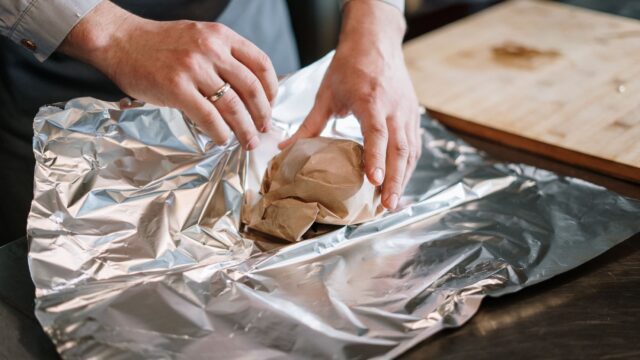
- Keep liners weighed down. Never preheat with empty foil or parchment in the basket. See how to use foil and parchment safely.
- Do not add lots of oil. An air fryer is not a deep fryer. A light coat on the food is enough; pools of oil in the drawer can smoke and ignite.
- Watch fatty foods. Bacon, sausages and wings release grease. Pour it off between batches and keep cooking temperatures moderate.
- Open the drawer carefully. Steam escapes, and the drawer can hold hot fat. Use oven mitts and pull it out slowly, keeping your face back.
- Set the basket on a heat-safe surface, not directly on a plastic cutting board or laminated tablecloth.
- Stay nearby while it runs, especially with new recipes.
Nonstick coatings and overheating
Many baskets have a nonstick coating. Coatings like PTFE can break down if they get much hotter than normal cooking temperatures; poison control centers note breakdown starting above about 500°F. That is above the maximum setting on most air fryers, but you can reduce risk further by not running the unit empty for long, not using a damaged or flaking basket and cleaning off grease. Fumes from overheated nonstick cookware are especially dangerous to pet birds, so keep birds well away from the kitchen. If a basket coating is peeling, replace the basket with a manufacturer part.
Keep it clean
Built-up grease in the drawer or on the element is a common cause of smoke, and it can ignite. Clean the basket and drawer after each use and check the element regularly. Our step-by-step guide on how to clean an air fryer covers this.
If something goes wrong
| Situation | What to do |
|---|---|
| White smoke from the drawer | Often fat smoking. Stop, unplug, let cool, pour off fat and clean before continuing. |
| Black smoke or burning smell | Turn off and unplug if safe. Do not open the drawer if you see flames. Once cool, inspect for food or liners on the element. |
| Flames inside the unit | Keep the drawer closed, turn it off and unplug it if you can safely reach the plug. Never use water on a grease or electrical fire. If the fire does not go out quickly or spreads, leave and call 911. |
| Sparks, melting plastic, hot plug or cord | Unplug if safe and stop using the appliance. Contact the manufacturer and check for recalls. |
| Unit keeps shutting off | Possibly overheating protection. Check that vents are clear; if it continues, contact the manufacturer. |
A working smoke alarm near the kitchen and a fire extinguisher you know how to use are good backups for any cooking appliance.
Bottom line
Give your air fryer a stable, open spot on the counter, plug it into the wall, keep it clean, and unplug it after use. Register it, check CPSC recalls by model number, and stop using any unit that sparks, melts or smells of burning plastic.
FAQ
Is it safe to leave an air fryer unattended?
It is best to stay nearby, as with any cooking appliance, especially with fatty foods or liners in the basket.
Can I use an air fryer on a wooden counter or table?
Use a heat-resistant mat or board under it and follow the manual’s clearance guidance. Heat and steam can damage wood finishes.
How do I know if my air fryer is recalled?
Find the model number on the unit, then search the CPSC recalls site. Registering the product means the maker can contact you directly.
Can I use an extension cord with an air fryer?
Most manufacturers say no. Plug it directly into a wall outlet to avoid overheating cords and strips.