Slow Cooker vs. Pressure Cooker: How They Work and Which to Choose
Both make tender stews and beans, but one takes all day and the other takes an hour. Here's how they work, what's safe, and which suits your schedule.
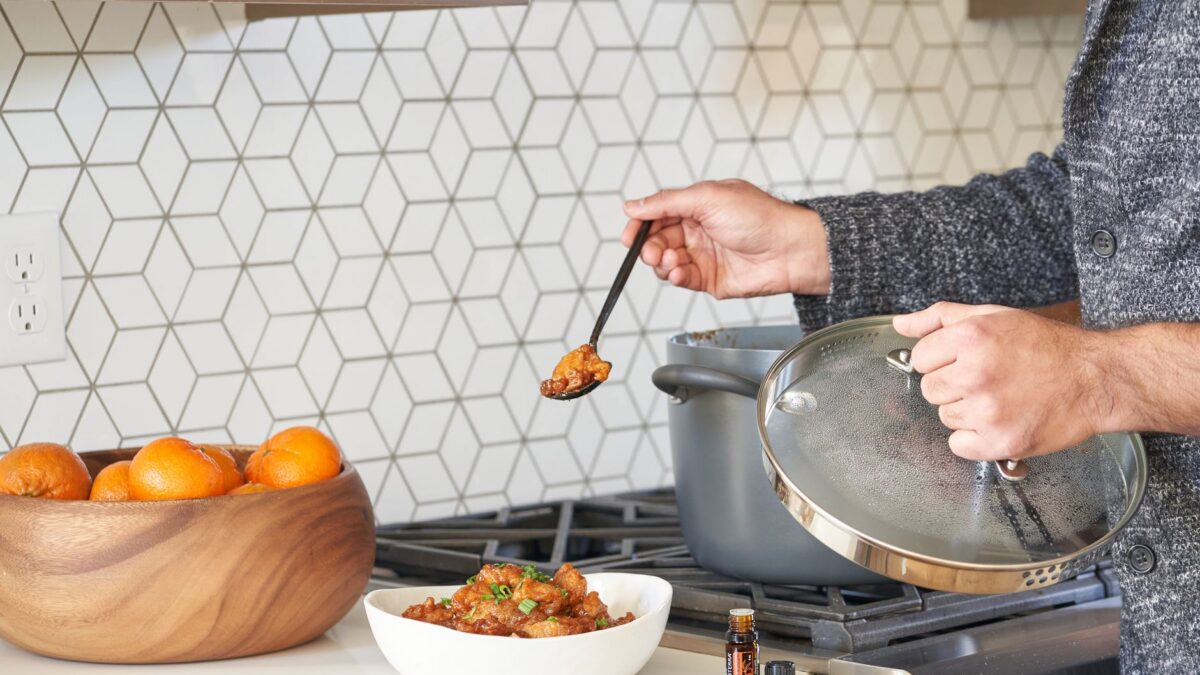
A slow cooker cooks food at low temperatures over several hours; USDA says they generally run between about 170°F and 280°F. A pressure cooker seals in steam so the pressure rises and water boils hotter than 212°F, cooking stews, beans and tough cuts in a fraction of the time. Choose a slow cooker if you want to set dinner in the morning; choose a pressure cooker if you decide what to cook at 5 p.m. Many electric multi-cookers do both, plus other functions.
How a slow cooker works
A slow cooker is a heavy crock in a housing with a low-wattage heating element. The covered pot traps moisture and heats food gently over 4 to 10 hours or more. According to USDA’s Food Safety and Inspection Service, the direct heat, long cooking time and steam inside the covered pot work together to destroy bacteria, making it a safe method when used correctly.
Slow cookers suit cheaper, tougher cuts that become tender with long, moist cooking, plus soups, chili and beans that have already been soaked and boiled (see the bean note below).
How a pressure cooker works
A pressure cooker has a locking lid with a gasket. As liquid heats, steam builds pressure inside the sealed pot, which raises the boiling point of water. At about 15 psi above atmospheric pressure, the high setting on many stovetop models, water boils at roughly 250°F (121°C). Higher heat and steam penetration mean beans, stocks and braises cook much faster than on a simmering stovetop.
Stovetop pressure cookers sit on a burner and usually reach higher pressure. Electric pressure cookers have built-in heating, sensors and timers, and many run at a lower pressure than stovetop models, so recipes may need longer times. Check your model’s manual for its rated pressure.
Side-by-side comparison
| Feature | Slow cooker | Pressure cooker |
|---|---|---|
| Cooking temperature | About 170–280°F (USDA) | Above 212°F; about 250°F at 15 psi |
| Typical time for a stew | Several hours | Under an hour, plus time to build and release pressure |
| Hands-off while away | Designed for it | Electric models have timers; stovetop needs attention |
| Adjusting mid-cook | Easy; lift the lid (it adds time) | Must release pressure first |
| Browning | Usually done in a separate pan | Electric models often have a sauté function |
| Texture | Very tender, can get soft | Tender; vegetables can overcook fast |
| Learning curve | Low | Moderate; release methods matter |
Food safety: slow cookers
USDA’s slow cooker guidance includes these key rules:
- Thaw meat and poultry first. Frozen meat can stay too long in the temperature range where bacteria grow.
- Keep perishables refrigerated until you load the cooker. If you prep the night before, store the ingredients in the fridge.
- Fill it between half and two-thirds full for even cooking, and keep the lid on as much as possible.
- Don’t reheat leftovers in a slow cooker. Reheat to 165°F on the stove, in a microwave or in the oven, then the slow cooker can keep them hot.
- Power outage while you’re away? USDA advises discarding the food, even if it looks done, because you can’t know how long it sat at unsafe temperatures.
Use a food thermometer to check that meat reaches USDA safe minimum internal temperatures: for example, 165°F for poultry and 160°F for ground meat.
A note on dry kidney beans
Raw red kidney beans contain a natural toxin (phytohaemagglutinin) that a slow cooker’s low heat may not destroy. The FDA advises soaking dry kidney beans for at least five hours, draining, and boiling them in fresh water for at least 30 minutes before adding them to a slow cooker, or simply using canned beans.
Food safety: pressure cookers
- Never force the lid open. Release pressure as the manual describes, either naturally or with the release valve, keeping hands and face away from the steam.
- Check the gasket and vent before each use. A cracked gasket or blocked vent can stop the cooker from sealing or releasing properly.
- Don’t overfill. Most manuals set a maximum fill line, and a lower one for foods that foam, like beans and grains.
- Watch for recalls. Pressure cookers have been recalled for lids that could open under pressure and cause burns. Check cpsc.gov/Recalls with your model number.
Pressure cooking is not pressure canning
Some multi-cookers have a “canning” button, but the National Center for Home Food Preservation does not recommend USDA canning processes in electric pressure multi-cookers. For low-acid foods, home canning requires a tested stovetop pressure canner.
Where multi-cookers fit
An electric multi-cooker typically combines pressure cooking, slow cooking, sautéing, steaming, rice and yogurt modes. Things to know:
- The slow cook mode on a multi-cooker heats from the base of a metal inner pot rather than through a heavy ceramic crock, so results and timing can differ from a traditional slow cooker. Follow the manual’s guidance on settings and times.
- Capacity: 6 quarts suits many families; 3 quarts suits one or two people; 8 quarts suits batch cooking. Remember that pressure cooking can’t use the full volume.
- Counter space: one appliance can replace two, which matters in a small kitchen.
Energy use
Both use less energy than a full-size oven for long braises. A slow cooker draws modest power but runs for hours; a pressure cooker uses more power briefly. For most households the difference on a bill is small compared with the convenience question.
Comparing other countertop options? See air fryer vs. convection oven and stand mixer vs. hand mixer.
Bottom line
Pick a slow cooker for set-and-forget meals, a pressure cooker for speed, or a multi-cooker if you want both in one footprint. With either, thaw meat first, use a thermometer to confirm safe internal temperatures, maintain gaskets and vents, and never use a multi-cooker for pressure canning.
FAQ
Can I put frozen meat in a pressure cooker?
Many electric pressure cooker manuals give longer times for frozen meat. Follow your manual and confirm the final internal temperature with a thermometer. Don’t put frozen meat in a slow cooker.
Is it safe to leave a slow cooker on while at work?
Slow cookers are designed for unattended cooking. Place it on a stable, heat-safe surface away from the wall and anything flammable, and check that the cord is undamaged.
Can I convert slow cooker recipes for a pressure cooker?
Yes, but reduce cook time sharply and make sure there’s enough thin liquid for the cooker to build pressure, as the manual specifies.
Which keeps more nutrients?
Both cook in a closed pot with liquid you usually eat, so differences are modest. Short cooking times can help preserve some vitamins.