How to Remove Dents From a Stainless Steel Refrigerator: Realistic Options
Viral hacks promise to pop dents out of fridge doors in seconds. Here's how fridge doors are built, which methods are worth a careful try, and when replacement is the honest answer.
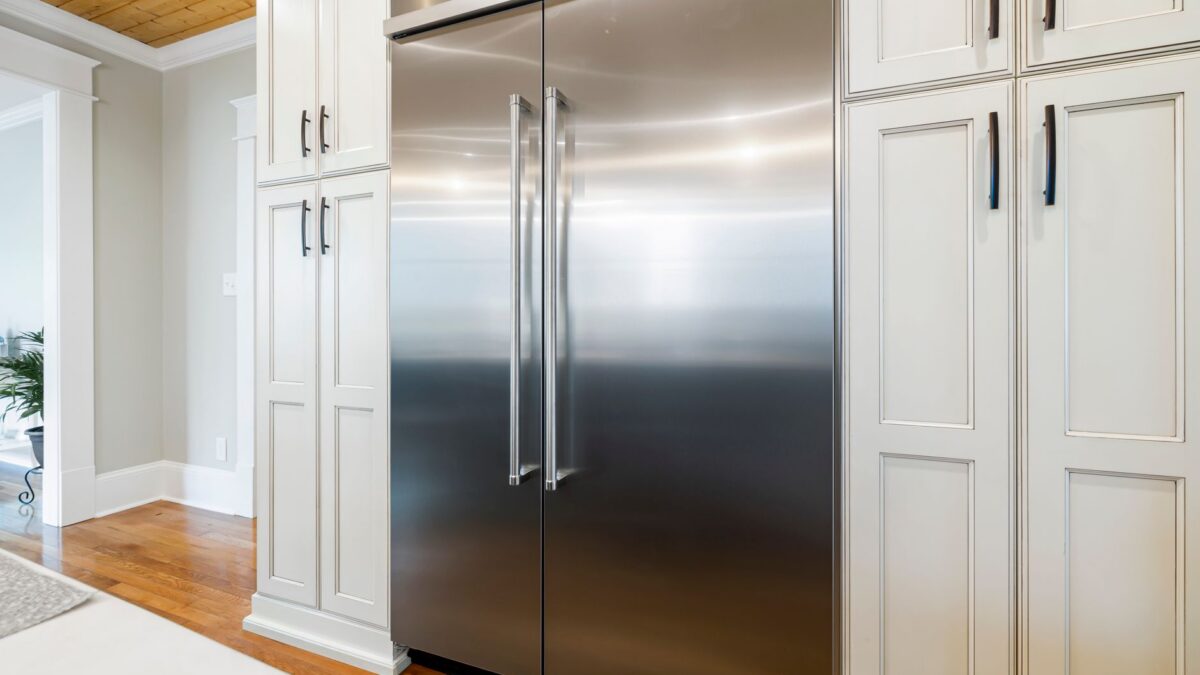
Most dents in a stainless steel refrigerator door can’t be fully removed at home, because the thin steel skin is bonded to foam insulation behind it and there’s no way to push from the back. A shallow, rounded ding may improve slightly with gentle suction, and many people simply disguise it, but sharp creases and dents with scratched or cracked finish usually need a replacement door panel or door from the manufacturer. Before trying anything, check your warranty and the care section of the manual for your finish.
Why fridge dents are different from car dents
A car body panel is sheet metal with open space behind it, which is why paintless dent repair works: technicians push the metal back out from the inside. A refrigerator door is typically a thin steel or stainless outer skin with polyurethane foam insulation filling the space between it and the inner liner. The foam is bonded to the skin. When the skin dents, the foam behind it is often crushed too, so there’s nothing for the metal to spring back to and no way to reach the back of the dent without destroying the door’s insulation.
That is why the most-shared “hacks” rarely deliver the results in the videos, and why some make the dent more visible.
Options compared
| Method | When it might help | Risks |
|---|---|---|
| Suction cup dent puller | Shallow, wide, rounded dents on flat areas | Can pull a high spot; limited effect when foam is crushed |
| Heat then cold (hair dryer, then canned air or ice) | Widely suggested; results on foam-backed doors are unpredictable | Heat can damage coatings or loosen adhesives; cold aerosols can frost-burn skin |
| Glue-pull dent kit | Small dings on bare stainless | Adhesive can lift fingerprint-resistant or black coatings |
| Disguising (magnets, decals, careful polishing) | Any dent where appearance is the only issue | Few; polish only on bare stainless |
| Replacement door panel or door | Creased, sharp or large dents; damaged coatings | Cost; requires the exact part for the model |
Before you try anything
- Check warranty and delivery claims. If the fridge arrived dented or was damaged during installation, contact the retailer or delivery company promptly; many have short windows for reporting cosmetic damage.
- Identify the finish. Bare brushed stainless, fingerprint-resistant stainless and black stainless react differently. Coated finishes are easily marred by heat, adhesives and polishing.
- Look at the door seal. If the dent is near the edge and the door no longer closes tightly, that’s a functional problem, not just cosmetic. Try the dollar-bill test: close the door on a bill and see whether it grips.
A careful suction-cup attempt (bare stainless, shallow dents)
What you need
- A suction cup dent puller sized slightly larger than the dent
- Mild soapy water and microfiber cloths
- Good side lighting to judge progress
- Clean and dry the area so the cup seals.
- Center the cup over the dent and press firmly to seal.
- Pull straight out with steady, moderate force. Don’t jerk.
- Release, inspect from an angle, and repeat a few times at most.
- Stop if nothing changes or a ridge forms around the dent. Overworking can leave a ripple that’s harder to hide than the original ding.
About heat and cold tricks
A common suggestion is to warm the dent with a hair dryer and then chill it quickly, hoping the metal pops back. The idea comes from automotive panels; on a foam-backed fridge door it’s unpredictable at best. If you try it, keep heat modest and moving, never use a heat gun or open flame, and keep inverted compressed-air cans away from skin and eyes. Don’t try it at all on coated finishes, which can blister or discolor.
Disguising a dent
- On bare stainless, a thorough clean and a light polish your manual approves, applied with the grain, evens out reflections so small dings show less. See the best cleaner for a stainless steel fridge.
- Calendars, magnetic boards or decals can cover a dent on doors that hold magnets (many stainless grades don’t).
- Avoid filler, putty or paint on stainless doors; they rarely match and may affect future warranty or resale.
The real fix: replacement panels and doors
Many manufacturers sell replacement door skins, door assemblies or panels by model number through their parts departments or authorized service companies. Some door designs allow just the outer panel to be swapped; others require the whole door. Use the model and serial number from the label inside the fresh-food compartment or on the door frame to order the exact part.
Door replacement often involves removing hinges, transferring handles and, on dispenser doors, disconnecting water and wiring that run through the hinge. Unplug the refrigerator and shut off the water supply first, and consider having an authorized technician do it, especially on French-door or dispenser models. Costs vary widely by brand and model; get a parts quote before deciding. If the fridge is older, our guide to how long refrigerators last can help you weigh the spend.
When to call a pro
- The dent affects the door seal, hinges or dispenser.
- You’re replacing a door with water or electrical connections.
- The fridge is under warranty or the damage happened during delivery.
Bottom line
Be realistic. Fridge doors are foam-backed, so small dents rarely vanish. A gentle suction cup may soften a shallow ding on bare stainless, polishing can hide it, and a replacement panel or door is the true fix for sharp or large dents.
FAQ
Does dry ice remove dents from a fridge?
It’s a popular claim borrowed from car repair. On foam-backed fridge doors the result is unpredictable, and dry ice can cause frostbite. It isn’t a method we’d recommend.
Will a dent make my fridge less efficient?
A dent in the middle of a door usually doesn’t. A dent near the edge that breaks the door seal can let warm air in.
Can a body shop fix a fridge dent?
Some dent technicians will look at appliances, but the foam behind the skin limits what they can do. Ask before booking.
Is a dented fridge worth a discount?
Many retailers sell scratch-and-dent appliances at reduced prices. Check that the dent doesn’t affect seals or function and that the warranty still applies.