New England Heat Pump Program Tops 25,000 Homes in First Year
A five-state New England program has put heat pumps in more than 25,000 homes in a year. Discounts are $650 for heat pumps and $300 for water heaters.
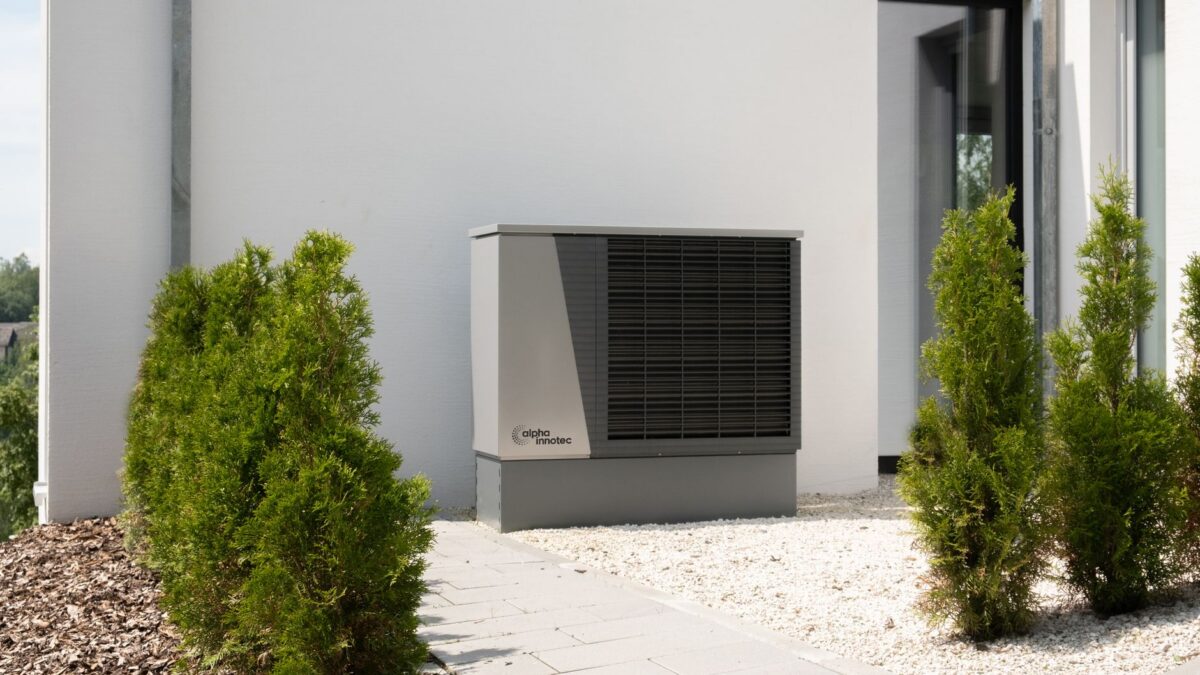
More than 25,000 homes across New England will heat with new, more efficient systems this winter after the first year of a five-state heat pump discount program, Canary Media reported. The New England Heat Pump Accelerator launched a year ago this month and takes $650 off a space-heating heat pump and $300 off a heat pump water heater in most of the participating states.
The first-year total is well short of the program’s target of 580,000 heat pumps installed in four years. The people running it say they still expect to get there.
How the discount reaches buyers
Connecticut, Maine, Massachusetts, New Hampshire and Rhode Island run the accelerator together. It is paid for with $450 million from the federal Climate Pollution Reduction Grants program, which the 2022 Inflation Reduction Act created.
The money does not go to homeowners directly. Canary Media describes a “midstream” incentive: the payment goes to distributors, the plumbing and equipment supply companies that sell to contractors. A distributor keeps a small sum for each cold-climate heat pump or heat pump water heater it sells and passes the rest to the buyer as a discount. Cold-climate models are built to keep working in low temperatures, and how heat pumps handle cold weather, defrost cycles and backup heat is its own subject.
The $650 and $300 discounts apply in four states. Maine uses its share of the money only for heat pump water heaters, funding incentives the state already had.
Nearly 90% of the region’s distributors have signed up, according to the report. The payment also gives them a reason to keep the equipment in stock, so a contractor can pick up a unit quickly when a customer’s old system fails.
What it means for households that heat with oil, propane or gas
More than half the single-family homes in Connecticut, Maine and New Hampshire burn heating oil, and so do large shares of homes in Massachusetts and Rhode Island, Canary Media reported. Propane and natural gas are also widely used. The outlet said a switch to a heat pump lowers monthly bills for most oil customers and for a significant portion of propane and natural gas users. The economics differ by fuel, as a comparison of heat pump and gas furnace running costs shows.
The accelerator discounts can be combined with state rebates. Canary Media gave two examples: $900 for a water heater in Connecticut, and an average of $5,800 for a heat pump in Massachusetts.
Andy Frank, deputy commissioner of energy and technology policy at the Connecticut Department of Energy and Environmental Protection, called the technology “the closest thing we have to a magic trick in the energy industry.”
Loans, loaner units and contractor training
Part of the money pays for state and community pilot programs. Massachusetts plans a lending program for window heat pumps, so a homeowner whose heating system needs replacing can stay warm while comparing options. New Hampshire will offer below-market-rate loans to people who replace fossil-fuel systems with cold-climate heat pumps.
Another part goes to the workforce: training for existing contractors, support for small businesses and recruitment of new workers. The program ran three in-person classes this year and released nine online training videos.
What comes next
The accelerator is scheduled to run for four years. Its long-term goal is for heat pumps to make up 90% of heating system sales in the region by 2040.
In the second year, the team plans to get the state and community pilots running and to review which parts of the program have worked, according to Canary Media. More training is planned for 2027.
Ellen Pfeiffer, a fellow with Energy Solutions, a consultancy helping to run the program, said during a webinar last week that participation has risen sharply with the added incentives.
Source: Canary Media