Home CO Alarms May Not Sound Until 70 ppm, HVAC Column Warns
A trade column says UL2034 home CO alarms can wait for 70 ppm, while ASHRAE sets 9 ppm as the home limit. See the gas appliance sources it lists.
A guest column in ACHR News, published for National Carbon Monoxide Awareness Month in November, says standard home CO alarms can stay silent at levels that still cause injury. The author writes that an alarm built to the UL2034 standard may not sound until it has seen 70 ppm of carbon monoxide for at least one hour.
The column compares that with the limit set by ASHRAE for a residence, which it gives as 9 ppm. It adds that first responders will evacuate a building at 35 ppm. Alarms meeting UL2034 help prevent deaths, the author says, but they do not warn about the lower concentrations that can hurt people.
Which appliances and tools can produce CO
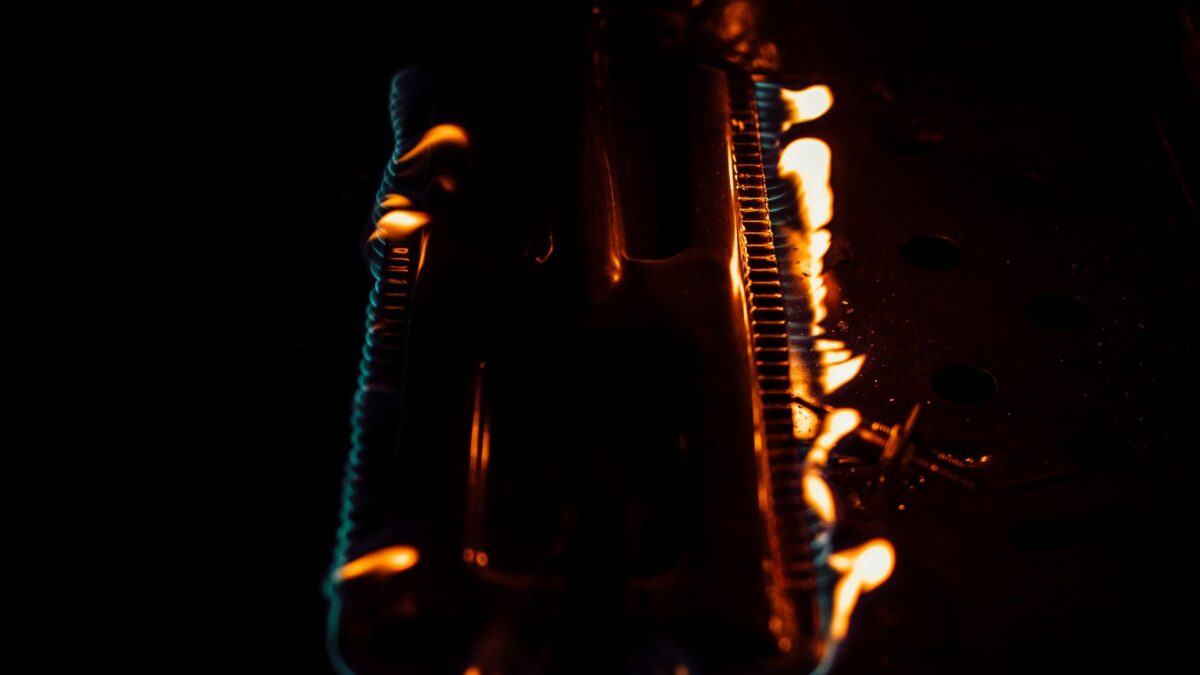
The column says anything that burns produces carbon monoxide. Inside a home it names furnaces, water heaters and boilers as the sources that get the most attention. It also lists gas dryers, direct and unvented fireplaces, wood burners, pellet stoves, ovens and stovetops.
Outdoor and garage sources are covered too. Portable generators should never run inside a house or garage and belong at least 20 feet from any structure, according to the column. Barbecues and smokers should be used only outside, at least 10 feet from a structure. Gas-powered lawn mowers, weed eaters and chainsaws kept in a garage can also be sources.
Cars are called the most common garage source. The author advises opening the garage door before starting a car, backing it out right away and never leaving it idling inside.
What the column asks contractors to do
The author says contractors should carry a personal CO monitor when entering a home, then use a calibrated combustion analyzer. Any appliance in a home can and should get a combustion test at least once a year, the column says, because a visual inspection shows only part of the picture.
Several handling points follow. An analyzer should be started outdoors in ambient air, away from a running or recently stopped vehicle, which can skew readings. The correct fuel type must be selected, since the analyzer calculates results from it. Oxygen sensors fail eventually, and a unit should read near 20.9 oxygen at start-up. CO sensors can drift without notice, and the column says manufacturers recommend calibration at least once a year.
Why it matters for homeowners
The column says many homeowners rely on HVAC contractors to reduce CO risk, and that CO can be present in an all-electric neighborhood or in the middle of summer. Its author argues that contractors should explain the risks during routine customer contact.
Exposure can look like other illnesses. Early signs listed are headache, dizziness, fatigue and persistent flu-like symptoms. Continued exposure or higher levels can bring convulsions, loss of judgment, hallucinations, heart problems and loss of mobility. The column says carbon monoxide does not leave the body the moment exposure ends, so anyone who has been exposed should seek medical help. Poisoning often goes untreated because it shows up differently in each person, and recovery can be long and costly, the author writes.
For readers with a furnace or gas range, placement of the detector is a separate question. This site covers it in a guide on where to put carbon monoxide detectors near a furnace or gas range.
Source: ACHR News