Chicken Bones in a Garbage Disposal? What InSinkErator Says
InSinkErator says its disposals handle leftover meat and bones, but never fats, oils or grease. See how to feed one and what goes in the trash.
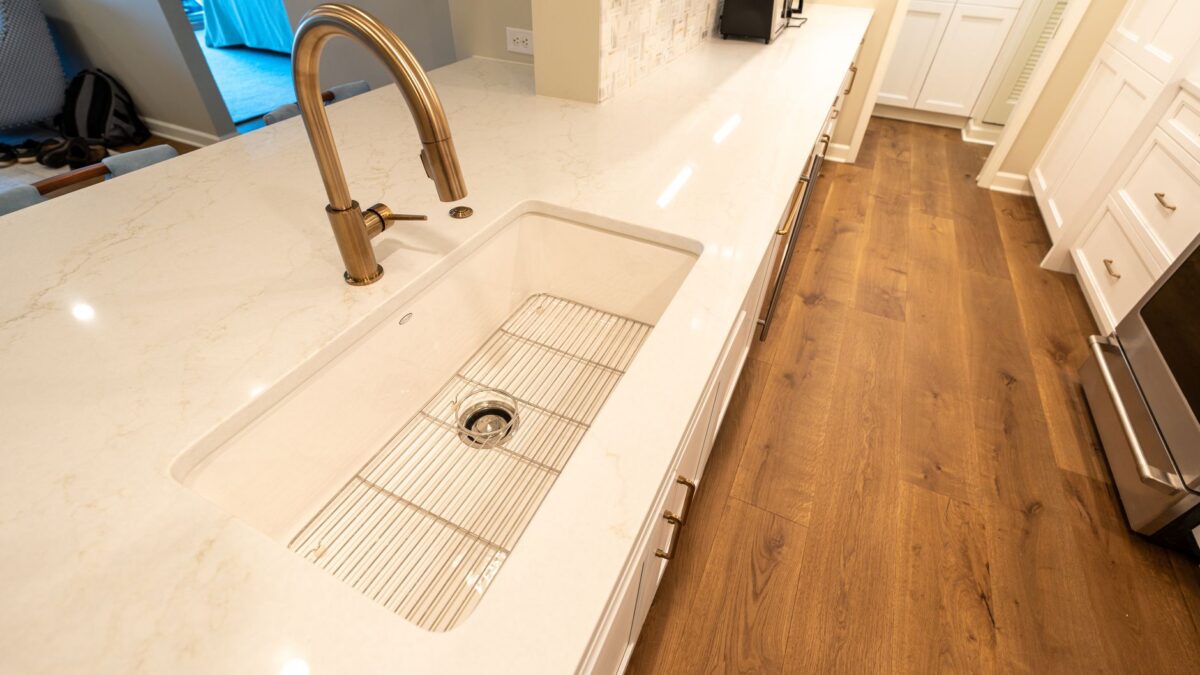
InSinkErator, the maker of the disposals covered here, says its units can grind leftover meats, vegetables and fruits, and its support pages list meat and bones among foods that suit a disposal better than home composting. Fats, oils and grease are the clear exception: they never go down the drain. Some tougher scraps are only recommended for certain models, so the series you own matters.
The company’s pages do not spell out raw meat separately from cooked scraps. They speak of meats and bones in general, so check the food chart for your series on the InSinkErator “What Can I Grind” page before trying anything unusual.
Can you put chicken bones in a garbage disposal?
According to InSinkErator’s FAQ, meat, bones and dairy products are foods that should not be composted but can go in a garbage disposal. The company says its Quiet Series grinds most food waste, and that certain food types are recommended only for Quiet Series models.
The same page says Standard Series models can grind any food apart from stringy and fibrous material such as banana peel, celery and rhubarb. Bones are not on that exclusion list. The page that sorts foods by series is the one to open if you own a Standard model and plan to grind something dense.
Is raw meat allowed?
InSinkErator says its disposals handle most everyday food waste, including leftover meats and food preparation waste. Trimmings from cooking fall under preparation waste. Because the pages do not single out raw meat, treat the series chart and your owner’s manual as the final word for your unit.
Whatever the scrap is, the grease that comes with it is the problem. Fats, oils and grease collect inside the plumbing pipes, and InSinkErator names them as the cause of many plumbing issues. Wipe greasy pans into the trash before rinsing.
How do you feed a disposal correctly?
InSinkErator calls proper operation critical to performance and warns against pre-loading the disposal. Its steps are:
- Turn on cold water.
- Turn on the disposal.
- Feed food waste in gradually.
- Listen and wait until the grinding stops.
- Let the water run for a few seconds to clear the drain.
The company also says that mixing waste of different densities, shapes and textures helps the unit grind well. Another point from its support page is to avoid filling the chamber with too much waste at one time.
Does a disposal have blades?
InSinkErator says its disposals have no blades or knives. Lugs throw food waste against a stationary grind ring, which breaks it into very fine particles that flush through the plumbing. Most household units use a single grind stage, while the Evolution Series has two or even three stages for tough waste.
That design is also why ice is not a sharpening trick. Our guide on what ice does inside a disposal explains the myth in more detail.
What still goes in the trash?
InSinkErator tells users to keep these out of the drain, with or without a disposal:
- Fats, oils and grease.
- Harsh cleaning products.
- Other non-food items.
Stringy, fibrous scraps such as banana peel, celery and rhubarb belong in the trash if you have a Standard Series model. Eggshells and coffee grounds are not harmful to the disposal itself, but both are sedimentary, and a large amount at once can clog or slow an older or restricted drain. Feed them gradually with a strong flow of cold water.
For a longer rundown, see our list of what not to put in a garbage disposal. If you are hosting a big meal, the guide on Thanksgiving scraps and the disposal covers the busiest cooking day.
Quick answers
Will ground food waste block my sewer?
InSinkErator says finely ground waste will not block a well-maintained sewer, because it is 70% water and resembles the human waste sewers are built to handle. It cites a University of Sheffield study that it says confirmed these concerns are unfounded.
Where does the ground waste end up?
It flows through the plumbing to a wastewater treatment plant, where biogas and nutrients can be recovered. The company says food waste carries carbon and nutrients that can become energy and fertilizer.
Why does my disposal smell?
InSinkErator says odors are usually a sign of food build-up, and that food can also collect under the sink baffle. Using the disposal often helps clear scraps from the chamber. For cleaning steps, read our guide to resetting a disposal if it also trips.
Checked against official sources in November 2026. Hours, prices and rules change: confirm on the official page before you go or apply.