What Uses the Most Electricity in a House? 10 Appliances Ranked
Heating and cooling use the most electricity in most homes, then water heaters and dryers. See 10 appliances ranked and how to find yearly cost.
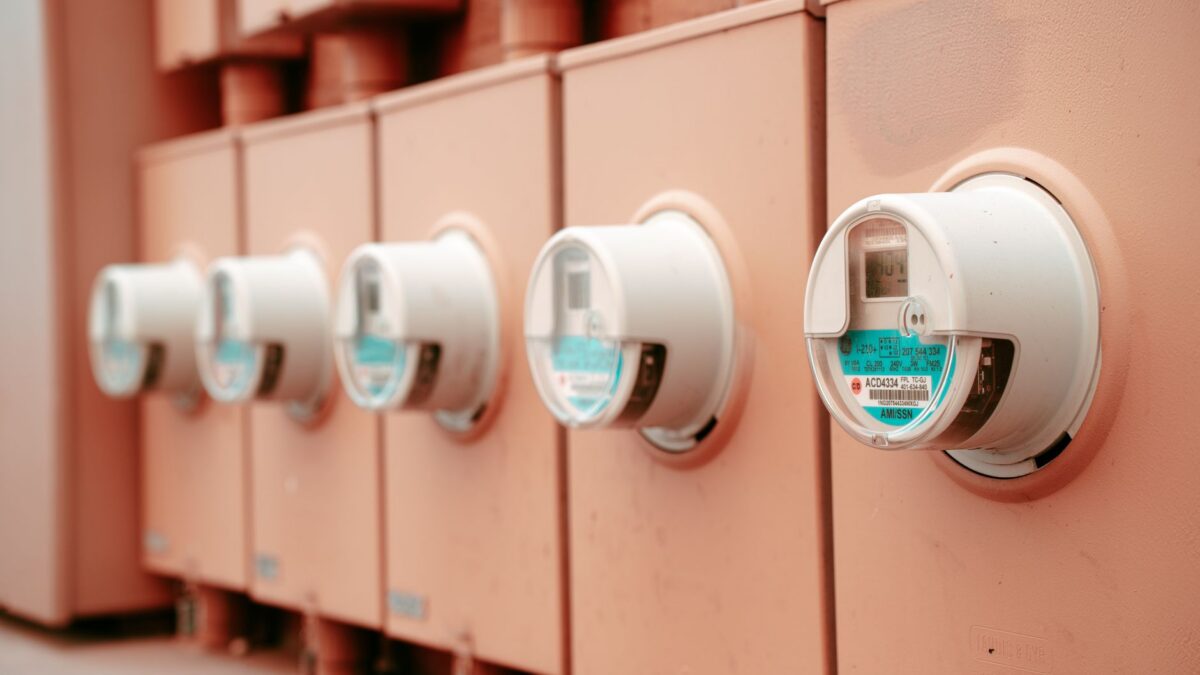
In most American homes, heating and cooling use the most electricity, followed by an electric water heater, then large appliances such as the clothes dryer, refrigerator and electric range. The exact order depends on your climate, whether your heat and hot water run on gas or electricity, and how many hours each appliance runs. Small devices that stay on all day can add up too, but they rarely beat the big heating loads.
How do you work out what an appliance costs per year?
Yearly cost equals the appliance’s power in kilowatts, times the hours it runs per year, times your electricity rate per kilowatt-hour (kWh). Find the wattage on the nameplate sticker or in the manual, divide by 1,000 to get kilowatts, and take the rate from your utility bill.
As an example, a 1,500-watt space heater running 8 hours a day uses 12 kWh a day. At an example rate of 15 cents per kWh, that is $1.80 a day, or about $54 over a 30-day month. Your own rate may be higher or lower, so plug in the figure from your bill. Our appliance electricity cost calculator does the math for you once you enter the wattage, hours and rate.
Appliances with motors or heating elements that cycle on and off, such as fridges and water heaters, use less than their full rating times 24 hours. For those, the yellow EnergyGuide label, which lists estimated yearly kWh, is a better guide than the nameplate.
Which appliances use the most electricity? The ranking
For a typical all-electric home, the big users fall roughly in this order:
- Space heating. Electric furnaces and baseboard heaters use resistance heat, which takes far more electricity than a heat pump for the same warmth. In cold climates, heating is usually the single largest use.
- Air conditioning. Central air systems commonly draw about 2,000 to 5,000 watts while running. In hot regions, cooling can top the list in summer.
- Water heating. A standard electric tank heater has elements of about 3,500 to 5,500 watts and keeps the water hot around the clock.
- Electric vehicle charging. If you charge an EV at home, it can rival the water heater, depending on how far you drive.
- Clothes dryer. Electric dryers draw roughly 2,000 to 6,000 watts per load, which makes them one of the hungriest appliances per hour of use.
- Refrigerator and freezer. A fridge draws modest power, but it runs all year. An old model or a second fridge in a hot garage uses noticeably more.
- Electric range and oven. Large burners and oven elements draw a lot of power, but cooking time is short, so yearly use is moderate.
- Pool and hot tub pumps and heaters. Where present, they can run many hours a day and sit near the top.
- Dishwasher and washing machine. Most of their energy goes to heating water, either inside the machine or in your water heater.
- Electronics, lighting and standby power. TVs, computers, game consoles and chargers each use little, but together they run all day.
Gas furnaces, gas water heaters and gas dryers move those items down the electric list, though their fans, igniters and controls still use some electricity.
Why do heating appliances cost so much to run?
Turning electricity directly into heat takes a lot of power, and heating jobs run for long periods. A space heater, water heater, dryer and oven all rely on resistance elements. A heat pump moves heat instead of making it, so it delivers the same comfort with much less electricity than baseboard or furnace resistance heat. The U.S. Department of Energy Energy Saver site explains how heat pumps and other heating systems compare.
Cooking is the exception. Burners use plenty of power while on, but they are on for minutes at a time. If you are weighing a new cooktop, our comparison of gas vs induction cooktops covers running costs and kitchen changes.
How can you find the biggest users in your own house?
The quickest way is to measure. A few methods work:
- Plug-in usage meters show watts and kWh for anything that plugs into a standard outlet, such as a fridge, freezer, dehumidifier or TV.
- Many utilities offer hourly usage charts online. A jump when the AC, dryer or water heater runs shows up clearly.
- Whole-home energy monitors installed in the electrical panel break down usage by circuit. Installation inside a panel is a job for a licensed electrician.
- Compare your winter and summer bills. A big gap points to heating or cooling as your largest load.
How do you cut the cost of the biggest users?
Focus on heating, cooling and hot water first, since small changes there save more than unplugging chargers.
- Set the thermostat a few degrees lower in winter and higher in summer, and use a programmable or smart thermostat to cut back when you are asleep or away.
- Change or clean HVAC filters on schedule and have the system serviced so it does not run longer than it needs to.
- Lower the water heater setting to 120°F (49°C), which is a common recommendation for both safety and savings.
- Run full loads in the dishwasher and washer, use cold water for most laundry, and clean the dryer lint screen every load.
- Keep the fridge at 37 to 40°F (3 to 4°C) and the freezer at 0°F (-18°C), and clean dusty condenser coils.
- When replacing an appliance, compare ENERGY STAR models on the ENERGY STAR site, which lists certified products and their estimated yearly energy use.
An old fridge that runs constantly may have a failing part. Before deciding whether to repair or replace it, see what it costs to replace a refrigerator compressor.
Quick answers
Does a refrigerator use a lot of electricity?
A modern refrigerator uses a moderate amount because it runs all year, but much less than heating, cooling or an electric water heater. Older models and second fridges in garages use more.
Do things that are plugged in but turned off use electricity?
Yes. Many devices draw standby power for clocks, remotes and instant-on features. Each draws little, so a smart power strip mainly helps with groups of electronics.
Is a space heater cheaper than central heat?
A space heater can be cheaper if it warms one room while the central system is turned down. Heating several rooms with space heaters usually costs more than an efficient central system.
What is the cheapest large appliance to run?
Among the major kitchen appliances, the microwave and dishwasher usually cost the least per year because they run for short periods.