Supply vs Delivery Charges: What Switching Suppliers Changes
Switching electricity suppliers changes only the supply part of your bill. Your local utility still delivers the power and charges for delivery.
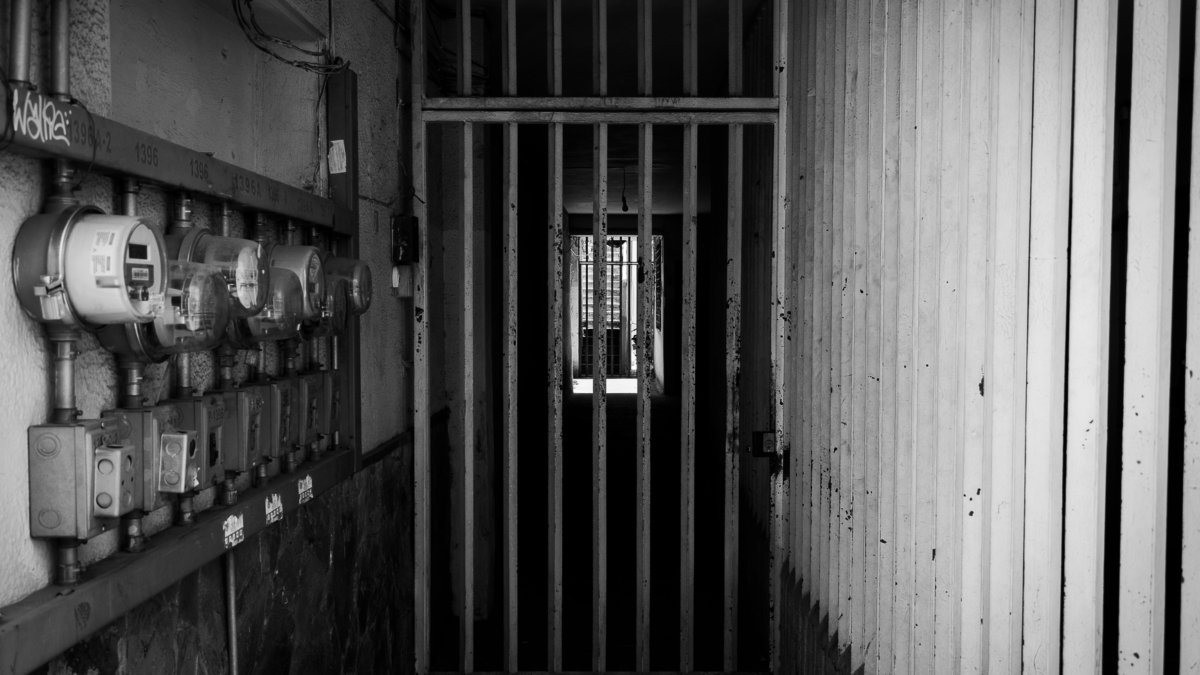
Switching your electricity supplier changes who sells you the power, which is the supply part of your bill. It does not change who delivers that power to your home. In states that allow switching, your local utility keeps running the poles, wires and meter and keeps charging for delivery, no matter which company supplies the electricity.
What is the difference between supply and delivery?
Supply is the electricity itself. Delivery is the trip it takes from the power plant to your outlet. The U.S. Energy Information Administration (EIA) describes the second part this way: power plants send electricity through high-voltage transmission lines that cover long distances, and lower-voltage distribution lines then carry it to homes and businesses. Transformers at substations raise or lower the voltage at each stage. The EIA notes that local electric utilities operate the distribution system that connects homes and businesses to the grid, whatever the source of the electricity.
That last point explains why a supplier switch leaves part of the bill alone. The wires belong to the local utility, so the delivery side stays with it.
Who can switch suppliers?
Only customers in some states. The EIA says that in some states, electric utility customers can buy electricity directly from a power marketer while a local utility delivers it. In other places the company that sells you power is your utility itself, which may be a city-owned utility, a member-owned cooperative or a private company owned by stockholders. Some utilities generate what they sell, and others buy it from other utilities, power marketers, independent power producers or wholesale markets.
Pennsylvania is one state with a public comparison tool. The PAPowerSwitch site, run by the Pennsylvania Public Utility Commission, lets residents enter a zip code to compare electricity plans for their home. It also says competitive offers may not be available in all areas, so check your own address before assuming a choice exists.
Which parts of the bill can change when you switch?
The supply charge is the part that moves with your choice of plan. PAPowerSwitch says that when choosing a supplier you decide between a fixed rate and a variable rate, and it links to explanations of the pros and cons of each. It also points to plans with renewable options and other services.
Delivery charges, taxes and fees set by government do not follow you to a new supplier. Utility bills commonly list state and local taxes and fees on energy use, and PG&E says so on its bill guide. Programs you are enrolled in with your utility, such as assistance or rate plans, are also listed on that bill and can affect the total.
If your bill separates charges into groups, the explainer on electric bill line items such as delivery, generation and riders walks through what each line means.
How do you read the charges on your own bill?
Bill layouts differ by utility, so use the guide from your own company. The PG&E page is one example of how detailed a bill can be. It explains that an electric bill shows your billing dates, the address where service was received, your rate plan and any enrolled programs. It also lists electricity usage in kilowatt-hours and says you are billed on the kilowatt-hours you use each month. A section titled Your Electric Charges Breakdown lists the line items, and a separate total covers electric charges including credits and applicable taxes.
The same page notes that energy used during peak hours is charged at a higher rate than energy used during part-peak and off-peak hours. That is a rate-plan feature, so it applies on certain plans and not on others. It also says customers on certain plans pay a fixed service fee that does not change with the amount of energy used.
What should you check before you switch?
Work through these points using your bill and the official comparison page for your state.
- Confirm that your state and your address allow you to pick a supplier.
- Find the supply rate and the delivery charge on your current bill, so you compare the right line.
- Decide between a fixed and a variable rate, and read the term and any fees in the plan details.
- Look at whether a plan carries renewable options or extra services.
- After the switch, check the next bill to confirm that the supply line changed and the delivery line did not.
Prices on the supply side also reflect wider market costs. The article on the PJM capacity auction and how it reaches your electric bill covers one route by which wholesale costs show up in what customers pay, and why electric bills are rising looks at EIA price data by state.
Quick answers
Does switching suppliers change who I call during an outage?
The EIA says local utilities operate the distribution system that connects homes to the grid, so the wires remain the utility’s responsibility. Check your utility’s website or bill for its contact details.
Is the delivery charge a fixed amount?
It depends on the rate plan. The PG&E bill guide says customers on certain rate plans pay a fixed fee for service that does not depend on how much energy they use. Look at the rate plan named on your own bill.
Where can I see the average price in my state?
The table of average electricity price by state in cents per kWh collects EIA figures, which can help you judge a supplier’s offer against what households in your state pay on average.
Checked against official sources in November 2026. Hours, prices and rules change: confirm on the official page before you go or apply.