PJM Capacity Auction Explained: How It Reaches Your Electric Bill
The PJM capacity auction secures future power supply for 13 states and DC, and its cost can reach your bill through the generation charge. Here is how.
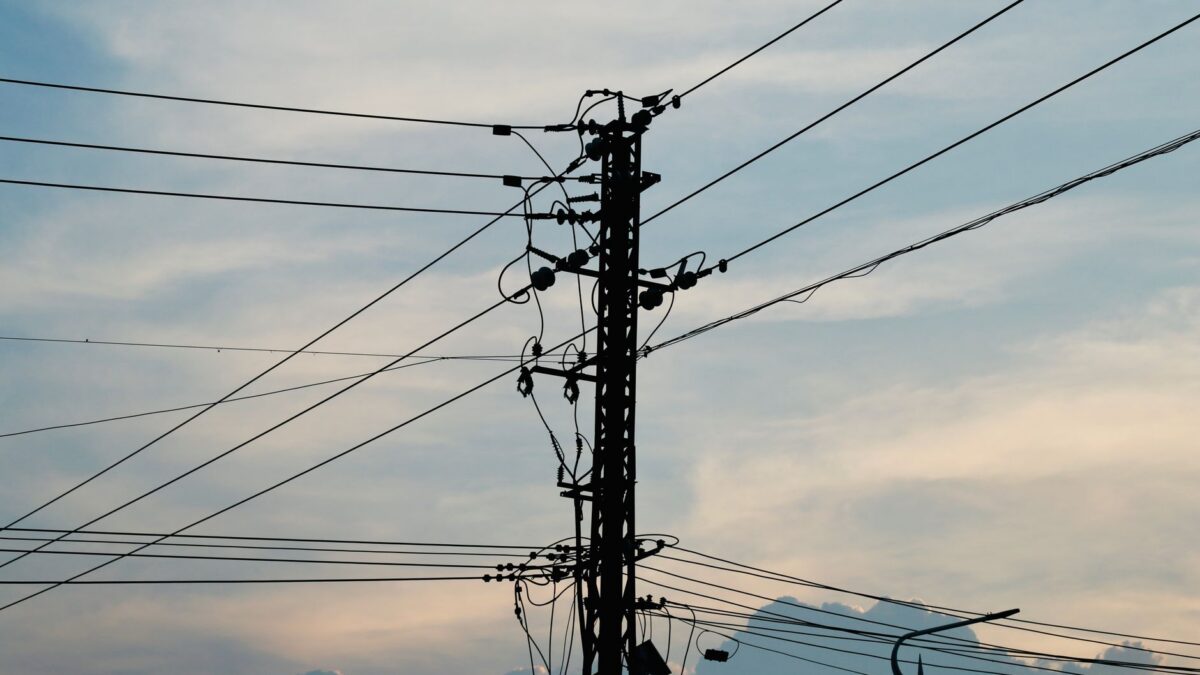
The PJM capacity auction is a yearly market in which the grid operator buys the promise of future power supply, so enough plants and other resources are available to meet expected demand. The price it produces is a wholesale cost, and in most cases it reaches households indirectly, folded into the generation or supply part of the electric bill rather than appearing as its own line. PJM serves 13 states and the District of Columbia.
The details of how much a household pays depend on the state, the utility and the supplier. The sections below explain the chain from auction to bill and where to look on your own statement.
What is the PJM capacity market?
PJM calls its capacity market the Reliability Pricing Model. According to PJM’s capacity market page, it secures the amount of power supply resources needed to meet predicted energy demand in the future, which supports long-term grid reliability. The auction is not about electricity delivered today. It pays resources to be ready for a future period called a delivery year.
PJM’s page lists auction materials for several delivery years, with the most recent listed being 2029/2030. For each delivery year there are planning parameters, resource lists, supply curves, reports and results, posted before and after the Base Residual Auction.
Who is PJM and which states does it cover?
PJM Interconnection is a regional transmission organization. It operates the transmission system and wholesale electricity market for all or parts of Delaware, Illinois, Indiana, Kentucky, Maryland, Michigan, New Jersey, North Carolina, Ohio, Pennsylvania, Tennessee, Virginia and West Virginia, plus the District of Columbia. According to Wikipedia, it serves 67 million customers from Chicago to New Jersey, and its history goes back to a power pool formed in 1927. The Federal Energy Regulatory Commission (FERC) regulates PJM and approves the rules of its wholesale market.
How do capacity prices get into a household bill?
Households do not take part in the auction. The cost is paid by the companies that sell electricity to them, called load-serving entities. These are the utilities that supply customers directly, or retail suppliers in states where customers can choose one. They are assigned a share of the capacity obligation for their customers and pay the auction price for it.
They then recover that expense from customers. In practice it is part of the supply or generation charge, either in a rate that regulators set for the utility or in the price a retail supplier offers. A fixed-price retail contract can hold the rate steady until it ends, but the supplier’s capacity cost then has to be covered when the contract is renewed. The exact method differs by state and utility, so check your own bill and the utility’s rate pages.
To find the generation part of a statement, see our guide to electric bill line items: delivery, generation and riders.
Why does the auction attract so much attention now?
Wikipedia reports that PJM expects demand to grow about 5% a year, compared with no growth from 2005 to 2020, mainly because of new data centers. It also says many generating plants are shutting down for environmental or economic reasons and that permitting new plants takes time. The same article says Cleveland.com reported in December 2025 that, for the first time, PJM could not buy 100 percent of the power it needs in its future auction.
When supply is tight relative to need, the auction price tends to rise, and a higher wholesale cost can feed into the supply charge. This is general market logic and not a forecast for any particular bill. Capacity is only one of several pieces that make up rates. Fuel costs, delivery charges and state rules also matter, as covered in our overview of why electric bills are rising.
How can you see what your state pays?
- Look at the utility’s rate or tariff page for the generation or supply price and any note about when it changes.
- If you buy from a retail supplier, read the contract for the term, the rate type and what happens at renewal.
- Check your state public utility commission for announcements about default service rates.
- Compare against the state averages in our table of average electricity prices by state.
The PJM site publishes auction schedules and results, and its home page shows current wholesale price data, but neither is a bill calculator.
Quick answers
Is the capacity charge listed separately on my bill?
Usually not. It is typically included in the supply or generation charge, so look there. Some retail plans may itemize it, so read your contract.
Does everyone in the 13 states and DC pay the same amount?
No. Rates depend on the utility, the state’s regulation and whether you buy from a retail supplier. The auction is a common input, not a single price on every bill.
Can I avoid capacity costs?
Not directly, since they are part of the cost of supplying power. Lowering your usage lowers the amount you pay per bill, whatever the rate.
Checked against official sources in November 2026. Hours, prices and rules change: confirm on the official page before you go or apply.