Can You Put Bread in a Garbage Disposal? What Happens and What to Do
A few bread crumbs are fine in a garbage disposal, but slices and crusts swell into a paste that clogs drains. What to do instead and how to clear a clog.
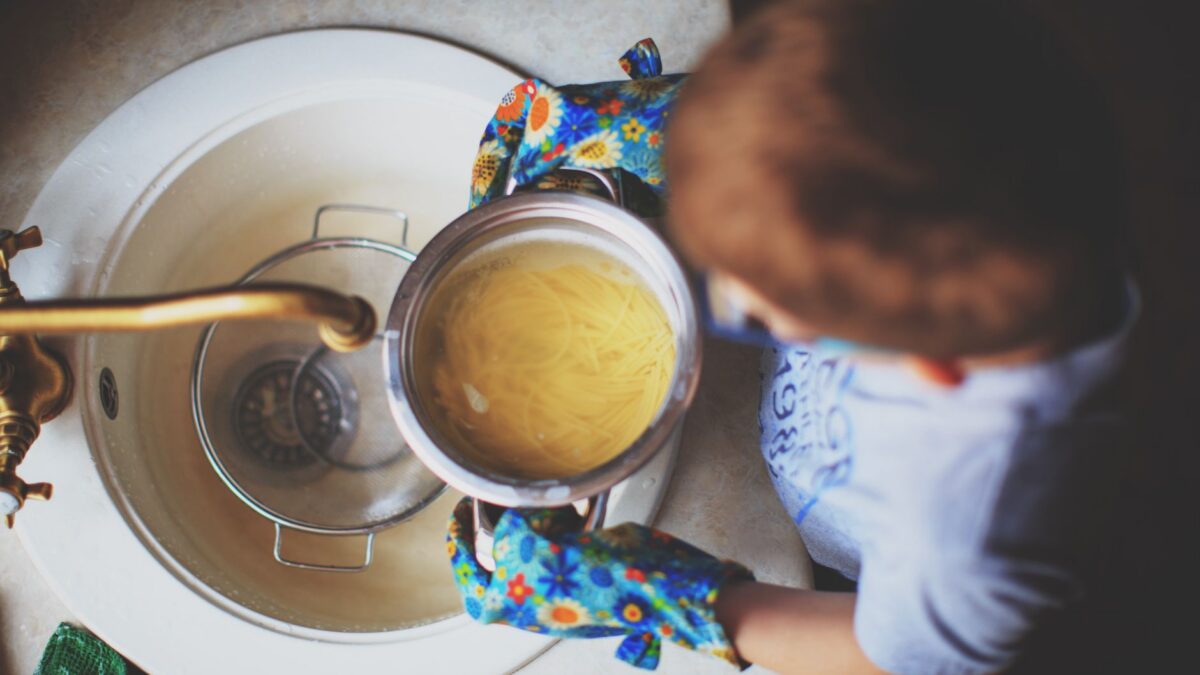
You can rinse a few bread crumbs down a garbage disposal, but you should not put slices, crusts, rolls, pasta dough or other bread in it. Bread soaks up water and turns into a thick, sticky paste that the disposal cannot grind into small pieces, and that paste collects in the drain trap and pipes until it forms a clog. Put bread in the trash or a compost bin instead.
What happens when bread goes into a garbage disposal?
Bread swells as it absorbs water and forms a dough-like mass that slides past the grinding plate instead of being shredded. A disposal does not cut food with blades. Spinning impellers throw food against a rough grind ring, which works on firm scraps that break apart and works poorly on soft, starchy food that just smears.
Once the paste leaves the disposal, it can:
- settle in the P-trap under the sink, where the pipe bends and water slows down;
- coat the inside of the drain line and catch grease, rice and coffee grounds that come later;
- back up into the second sink bowl, or into the dishwasher if it drains through the disposal;
- jam the impellers if a large amount goes in at once, which can trip the motor’s overload switch.
Bread belongs with the other starchy foods that cause the same trouble, such as pasta, rice and potato peels. Our list of what not to put in a garbage disposal covers the rest.
Is a small amount of bread okay?
Crumbs left on a plate are fine if you run plenty of cold water and keep the disposal on for several seconds after the noise of grinding stops. The water carries the small bits through the trap before they can pile up. Trouble starts with anything bigger than crumbs: a crust, half a sandwich, a soggy bun or a pile of crumbs from a cutting board.
Cold water is the standard advice for disposals in general because it keeps fats firm so they get chopped and flushed. With bread, the volume of water matters more than its temperature.
What should you do with leftover bread instead?
Throw leftover bread in the trash, add it to a compost pile, or use it up before it goes stale. A few options:
- Scrape plates into the trash or a countertop food scrap bin before rinsing them.
- Compost plain bread. The EPA’s home composting guide lists bread among food scraps that can go in, though some backyard composters leave it out because it can draw pests; bury it in the center of the pile if you add it.
- Check whether your city collects food scraps in a curbside green bin, where bread is usually accepted.
- Freeze bread you will not finish in time, or turn stale bread into breadcrumbs, croutons or bread pudding.
Do not throw bread to ducks or other wildlife as a way to get rid of it. Wildlife agencies discourage feeding bread to waterfowl.
How do you clear a clog caused by bread?
Start with the safest steps and stop as soon as the water drains.
- Turn the disposal off. If you will put a hand or tool anywhere near the grinding chamber, switch off the circuit breaker or unplug the unit under the sink.
- If the disposal hums but does not spin, follow the steps for a garbage disposal that is not spinning, which usually means turning the flywheel with the hex key in the bottom of the unit.
- If the motor shut off, press the red reset button on the bottom of the disposal after it cools. Our guide on how to reset a garbage disposal explains what to check if it trips again.
- Run cold water and switch the disposal on to push the softened paste through.
- If the sink still holds water, use a cup-style sink plunger. In a double sink, block the other drain with a stopper or wet rag so the pressure goes toward the clog.
- If plunging fails, place a bucket under the P-trap, loosen the slip nuts by hand or with pliers, and clean the paste out of the trap. Reassemble it hand-tight plus a small turn and check for drips.
Avoid chemical drain cleaners in a sink with a disposal. Many disposal makers advise against them, the caustic liquid can damage parts and seals, and it stays in the sink if the drain does not clear, which makes plunging or opening the trap dangerous. Never mix different drain products.
When should you call a plumber?
Call a plumber when water backs up in several fixtures at once, the clog sits past the trap in the wall pipe, or the disposal leaks or will not run after a reset. A clog beyond the trap needs a drain snake, and a plumber can also check whether the drain slope or vent is part of the problem. Call an electrician or a plumber if the disposal trips the breaker every time you switch it on.
Quick answers
Can you put pizza crust or bagels in a garbage disposal?
No. Pizza crust and bagels are dense bread that swells the same way, and bagels are tough enough to jam the impellers. Put them in the trash or compost.
Will a more powerful disposal handle bread?
A higher-horsepower model grinds faster and jams less, as the garbage disposal horsepower guide explains, but no motor stops ground bread from turning into paste in the pipes.
Does bread cause garbage disposal smells?
Bread paste stuck under the splash guard or in the trap can rot and smell sour. Cleaning the splash guard and grinding a few ice cubes with cold water usually helps.