Where to Put Carbon Monoxide Detectors Near a Furnace or Gas Range
Put carbon monoxide detectors near bedrooms and on every level, a few feet away from furnaces, water heaters and gas ranges. Distances and spots to avoid.
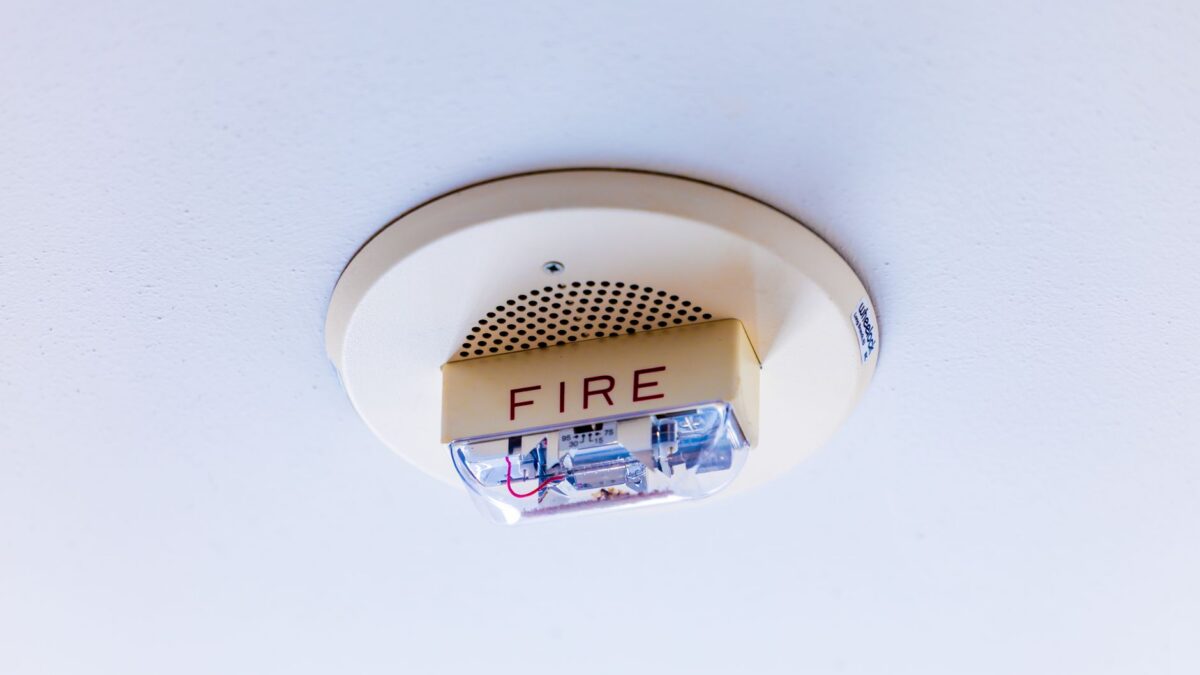
Carbon monoxide detectors belong outside every sleeping area and on every level of the home, including the basement, and they should sit a few feet away from furnaces, water heaters and gas ranges instead of right next to them. Most manufacturers ask for roughly 5 to 15 feet (1.5 to 4.6 m) of clearance from a fuel-burning appliance, because a small puff of CO when a burner lights can set off an alarm mounted too close. The exact distance and mounting height are printed in the alarm’s manual, and that manual is the rule to follow.
Where are carbon monoxide detectors required in a home?
Building codes in most of the United States, based on the International Residential Code and NFPA 720, call for a CO alarm outside each separate sleeping area, in the immediate vicinity of the bedrooms, in any home with a fuel-burning appliance or an attached garage. Many states and cities add their own rules, so check with your local building department or fire marshal. A sensible layout for most houses looks like this:
- One alarm in the hallway outside each group of bedrooms.
- One alarm on every floor, including a finished or unfinished basement.
- One alarm in a bedroom where a fuel-burning appliance, such as a gas fireplace, is installed.
- One alarm in the room next to an attached garage, since a car left running produces CO that can drift indoors.
The National Fire Protection Association publishes the NFPA 720 standard and consumer safety tips that explain these locations.
How far should a CO detector be from a furnace or water heater?
Keep a CO detector at least the distance stated in its manual from a furnace or water heater, which for many models falls between 5 and 15 feet (1.5 to 4.6 m). Gas burners release a brief, small amount of carbon monoxide at ignition, and an alarm right beside the flue can react to it and cause nuisance alarms. Owners who get tired of false alarms tend to pull the batteries, which defeats the purpose.
In a basement mechanical room, mount the alarm on a wall or ceiling across the room or just outside the doorway, where air from the appliances still reaches it. Do not put it inside a closed utility closet with the furnace, or directly above the water heater’s draft hood. If you are already working around the tank, our guide to safe checks for gas and electric water heaters explains how to look at the burner and venting without taking risks.
Where should a CO detector go in a kitchen with a gas range?
A CO alarm in a kitchen with a gas range should go on a wall or ceiling several feet from the stove, outside the area where cooking heat and steam collect. A gas oven or cooktop gives off some carbon monoxide during normal use, and the first seconds after a burner lights can briefly raise levels near the appliance. An alarm mounted directly above the range or beside the oven vent is the most common cause of kitchen false alarms. Many homes simply place the alarm in a hallway or dining area next to the kitchen, which still covers the space without nuisance trips. Running the range hood while cooking moves combustion gases outdoors, and a gas oven should never be used to heat the home.
Should a carbon monoxide detector be mounted high or low?
A carbon monoxide detector should be mounted at the height its manufacturer specifies, because CO mixes with room air and does not settle at the floor or pool at the ceiling the way some people expect. Wall-mounted, ceiling-mounted and plug-in models are all sold, and each is tested for the position shown in its instructions. Combination smoke and CO alarms go on the ceiling or high on the wall, where the smoke sensor needs to be. A plug-in unit near the floor is acceptable if the manual allows it, but keep it where furniture, curtains and pets will not block it.
Where should you never put a CO detector?
Some spots give false alarms, slow readings or a shorter sensor life. Avoid these places:
- Within the manufacturer’s minimum distance of a furnace, water heater, boiler, gas dryer or range.
- Bathrooms and laundry rooms, where steam and humidity can affect the sensor.
- Directly in front of supply registers, return vents, ceiling fans or open windows, which dilute the air reaching the sensor.
- Garages, attics and porches that get very hot or cold, unless the alarm is rated for that temperature range.
- Behind curtains, inside cabinets or in dead-air corners.
- Near cleaning products, aerosol sprays or paint, whose fumes can affect some sensors.
How do you choose and maintain a carbon monoxide alarm?
Buy an alarm listed to UL 2034 (CSA 6.19 in Canada) and decide on power and connection type before you shop. Hardwired alarms with battery backup can be interconnected, so a CO reading in the basement sounds every alarm in the house. Battery-only and plug-in models are easier to add in a rental. A digital display that shows the current or peak reading helps when you call the gas utility or a technician.
- Press the test button once a month.
- Replace replaceable batteries at least once a year, or whenever the alarm chirps for a low battery.
- Vacuum the vents gently to remove dust, following the manual.
- Replace the whole alarm when it reaches the end-of-life date printed on it, often 5 to 10 years after manufacture. Many models give an end-of-life chirp.
An alarm is a backup. A yearly inspection of the furnace, water heater and flues by a qualified technician catches cracked heat exchangers, blocked vents and poor burner flame before they produce CO. Simple upkeep helps too: our article on how often to change a furnace filter covers the filter schedule, and a furnace that keeps turning on and off in short cycles is worth having checked.
What should you do if the CO alarm goes off?
Treat a CO alarm as an emergency: get everyone, including pets, outside into fresh air right away, then call 911 or the fire department from outdoors. Do not stay inside to look for the source or open windows room by room. Early symptoms of carbon monoxide poisoning include headache, dizziness, weakness, nausea, confusion and chest pain, and they are easy to mistake for the flu. The U.S. Consumer Product Safety Commission has safety guidance on CO alarms and fuel-burning appliances. Go back inside only after responders say the home is safe, and have the appliance checked before using it again.
Quick answers
Can a smoke detector detect carbon monoxide?
A standard smoke detector cannot detect carbon monoxide. You need a separate CO alarm or a combination smoke and CO alarm that says so on the label.
Does an all-electric home need a CO detector?
An all-electric home with no fireplace and no attached garage is usually not required to have one, though a portable generator, a charcoal grill used too close to the house or a neighbor’s appliance in a shared building can still bring CO inside.
Do space heaters need a CO detector nearby?
Fuel-burning space heaters (kerosene or propane) produce CO, and a room using one should have an alarm. Electric space heaters do not produce CO; our comparison of oil-filled, ceramic and infrared heaters covers their fire safety instead.
How many CO detectors does a two-story house need?
A two-story house with a basement needs at least three: one on each level, with the upstairs alarm placed outside the bedrooms. Add more if bedrooms are spread across separate areas.