How to Clean a Blender: Quick Self-Clean, Gasket and Cloudy Jars
A 1-minute rinse after each use, a deeper clean for the blade assembly, and what to do about cloudy, stained or smelly jars.
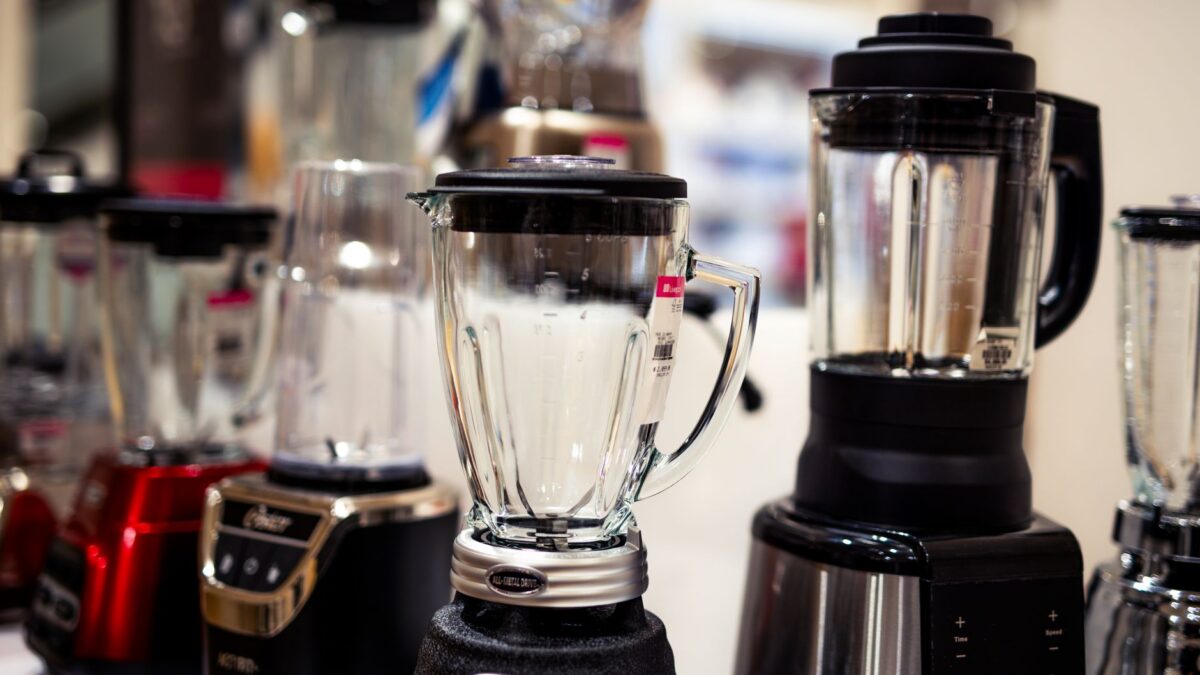
The fastest way to clean a blender is to rinse it right after use, fill the jar about halfway with warm water, add a drop of dish soap, and blend for 30–60 seconds, then rinse and air-dry. That handles most daily messes. Every so often, or if the jar leaks or smells, unplug the base and take the blade assembly apart to clean the gasket. Never put the motor base in water, and handle the blades by their hub, not the edges.
What you need
- Dish soap and warm water
- A long-handled bottle brush or soft brush
- A soft sponge (non-scratch)
- Baking soda
- White vinegar (for hard-water film)
- Microfiber cloth for the base
Quick self-clean after every use
- Rinse immediately. Dried smoothie, nut butter or hummus is much harder to remove later.
- Add warm water and soap. Fill the jar about halfway with warm, not boiling, water and add a drop or two of dish soap.
- Lid on, then blend for 30–60 seconds. Some high-performance blenders have a cleaning program; use it if yours does.
- Empty and rinse with clean water.
- Air-dry upside down or with the lid off so moisture does not get trapped.
Why not boiling water? Very hot liquid expands and builds pressure when blended, which can force the lid off. Many manufacturers also set temperature limits for jars and seals; check the manual.
Deep clean: blades and gasket
Many conventional blenders have a removable blade assembly at the bottom of the jar, with a rubber or silicone gasket (sealing ring) between the blades and the jar. Food and liquid can collect there, causing odors, mold and leaks. Some high-performance jars have fixed blades that are not meant to be removed; for those, rely on the self-clean and a bottle brush.
- Unplug the base. Lift the jar off the base before touching the blades.
- Remove the blade assembly by unscrewing the collar at the bottom, if your model allows it.
- Take out the gasket. Note how it sits so you can put it back the same way.
- Wash each piece in warm soapy water. Use a brush around the blades; hold the assembly by its base and keep your fingers off the edges.
- Soak if needed. For dried residue, soak the parts in warm soapy water for 10–15 minutes.
- Dry completely, then reassemble. A gasket that is twisted, missing or not seated correctly is the most common reason a blender leaks from the bottom.
Replace a gasket that is cracked, stretched or permanently stained; most manufacturers sell them as replacement parts.
Personal and bullet blenders
Single-serve cups usually screw onto a blade base with a small gasket. Rinse the cup and blade base right away, remove the gasket regularly to wash underneath and let it dry before storing. Do not run the blade base under water in a way that lets water into the bottom gear, and never immerse the motor base.
Cloudy, stained or smelly jars
| Problem | Likely cause | Fix |
|---|---|---|
| White, cloudy film that wipes off when wet | Hard-water minerals or soap residue | Soak in a 1:1 mix of white vinegar and warm water for 30–60 minutes, scrub with a soft brush, rinse well |
| Cloudy haze that does not change when wet | Fine scratches or etching from ice, abrasives or dishwasher detergent | Usually permanent; it is cosmetic. Replace the jar if visibility bothers you |
| Orange or yellow stains | Carrot, turmeric, tomato or berry pigments | Baking soda paste, gentle scrub; drying the jar in daylight can help fade some stains |
| Garlic, onion or sour smell | Residue in the gasket or plastic absorbing odors | Clean the gasket; blend warm water with 1–2 tablespoons baking soda, let sit 15 minutes, rinse |
| Black spots on the gasket | Mold from moisture trapped under it | Wash thoroughly and dry; replace the gasket if spots remain |
Do not mix vinegar with bleach or other cleaners; that can release toxic gas. If you choose to sanitize with a diluted bleach solution, use only bleach and water as the product label directs, rinse thoroughly, and never combine it with anything else. If someone swallows a cleaning product, call Poison Control at 1-800-222-1222 (US).
Is the jar dishwasher-safe?
Many blender jars, lids and blade assemblies are labeled dishwasher-safe, usually top rack only, but not all are. High-heat drying and detergent can cloud some plastics and wear seals faster. Check the manual for your model. If it is allowed, take the gasket out so water can drain from underneath.
Cleaning the motor base
- Unplug it.
- Wipe with a damp, well-wrung cloth and a drop of dish soap.
- Clean around the drive socket (where the jar sits) with a cotton swab or soft brush; spills there can make the jar sit badly.
- Clean buttons and dials with a barely damp cloth. Do not spray cleaner directly onto the base.
- Dry thoroughly before plugging in.
When cleaning will not fix it
- Burning smell from the base: the motor may be overheating. Stop, unplug and let it cool. Run shorter blends with more liquid. If the smell continues during normal use, stop using it and contact the manufacturer.
- Leaking after you have reseated a good gasket: the jar, blade assembly or collar may be cracked.
- Grinding or rattling: the drive coupling on the base or jar may be worn; replacement couplings or blade assemblies are often available.
- Visible cracks in the jar: replace it. Cracked jars can shatter or leak.
Internal motor or electrical repairs are not a DIY job; contact the manufacturer or a qualified repair shop, and keep in mind that opening the base may void the warranty.
Bottom line
Rinse right away and blend warm soapy water for a minute after each use. Take the blade assembly and gasket apart every few weeks, or as soon as you notice a smell or leak. Vinegar handles cloudy hard-water film, baking soda handles stains and odors, and the motor base only ever gets a damp cloth. For other small appliances, see how to descale a coffee maker and how to clean a toaster.
FAQ
How often should I take the blender apart?
If your model has a removable blade assembly, every few weeks for regular use, or right away if you notice an odor, a leak or residue under the gasket.
Can I put ice in to clean my blender?
Ice can scrub stuck food, but over time it also scratches plastic jars. Warm soapy water is gentler for routine cleaning.
Why does my blender leak from the bottom?
Usually the gasket is missing, twisted or worn, or the collar is not tight. Reseat or replace the gasket and check for cracks.
How do I get a smoothie smell out of my blender?
Clean the gasket, then blend warm water with a little baking soda, let it sit for 15 minutes and rinse.