How a Self-Cleaning Oven Works: High-Heat vs Steam Clean
Self-clean is convenient but not effortless. Here's what happens during the cycle, why pet birds should leave the house, and what to check before you start.
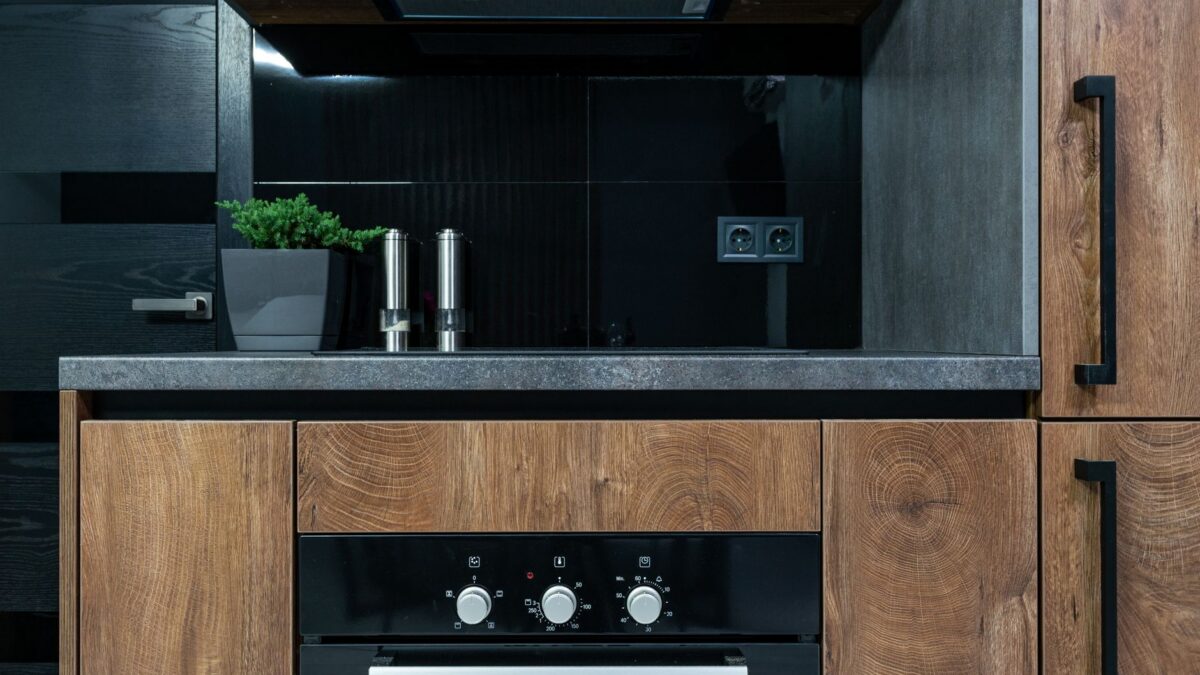
A high-heat (pyrolytic) self-clean cycle locks the oven door and heats the cavity to extreme temperatures, roughly 800–1,000°F depending on the model, burning food residue down to a light ash you wipe out afterward. It usually runs for a few hours plus cool-down. A steam clean cycle uses a little water and low heat for a short time to soften light grime. Before running high-heat self-clean, remove pet birds from the home or at least far from the kitchen, ventilate well, and take out racks and loose debris as your manual directs.
High-heat self-clean, step by step
During a pyrolytic cycle the oven:
- Locks the door automatically, so no one can open it while the cavity is dangerously hot.
- Heats to its self-clean temperature, far above normal baking settings.
- Holds that heat for the selected time. Grease and food carbonize, producing smoke and odors.
- Cools down; the door stays locked until the oven drops to a safe temperature.
- Leaves a fine grayish ash, which you wipe out with a damp cloth.
Ovens with this feature are built with heavier insulation and a special enamel to handle the heat. Cycle length, lock behavior and allowable cleaners vary, so check your manual.
Steam clean
A steam or “aqua” clean cycle uses a measured amount of water poured onto the oven floor and a low temperature for a short period, often under an hour. It softens light, fresh spills so you can wipe them away. It doesn’t remove heavy, baked-on grease the way high-heat cleaning can, and you’ll still do some hand scrubbing.
Comparison
| Feature | High-heat (pyrolytic) | Steam clean |
|---|---|---|
| Temperature | Very high, roughly 800–1,000°F | Low |
| Typical duration | A few hours plus cool-down | Often under an hour |
| Best for | Heavy, baked-on residue | Light, recent spills |
| Smoke and odors | Yes, can be significant | Minimal |
| Door locks | Yes | Varies by model |
| Hand work afterward | Wipe up ash | Wipe and scrub remaining spots |
Fumes, smoke and pet birds
Burning off food residue releases smoke, odors and small amounts of combustion gases. Manufacturers’ help pages and manuals consistently warn that some birds are extremely sensitive to the fumes from a self-cleaning cycle and should be moved out of the kitchen, or better, to a well-ventilated room far away. Some manuals add that fumes from overheated nonstick cookware and overheated cooking oil can be equally harmful to birds (see, for example, Whirlpool’s self-clean cycle information).
For people, the main measures are simple:
- Run the range hood on high if it vents outdoors, and open windows.
- Keep children and pets away from the hot oven front.
- If anyone in the home has asthma or breathing problems, consider running the cycle when they’re out, or use the steam option instead.
- Make sure working smoke and carbon monoxide alarms are installed as required by your local code.
Before you run high-heat self-clean
What you need
- Your oven’s manual
- A plastic scraper and damp cloth
- A place to put the racks
- Read the manual. Confirm which parts can stay in. Many manuals say to remove standard chrome racks, which can discolor or lose their slide, while some porcelain-coated racks are designed to stay in.
- Remove pans, foil, thermometers and anything stored in the oven. Never line the oven floor with foil; it can melt and damage the finish.
- Scrape out large food spills and pools of grease. Heavy deposits produce more smoke and can even flare.
- Clean the door frame and gasket edge by hand as the manual describes. The cycle doesn’t clean outside the seal, and many makers say not to rub or clean the gasket itself.
- Don’t use oven cleaner before or during self-clean unless your manual allows it; residues can damage the enamel.
- Plan your timing. Don’t run it right before a holiday meal. Ovens occasionally develop faults after self-clean cycles, such as a blown thermal fuse or a failed control, so give yourself time to arrange service if needed.
- Stay home. Don’t leave the oven running a self-clean cycle unattended.
After the cycle
- Wait for the door to unlock on its own. Don’t force it.
- Wipe out the ash with a damp cloth once the oven is cool.
- Clean the door glass, which may still have streaks; see our guide to cleaning oven door glass.
- Replace the racks.
When to call a pro
- The door won’t unlock after the oven has fully cooled, even after the reset steps in your manual.
- The oven stops heating, shows an error code, or the display goes dead after a cycle.
- You see flames that don’t die down quickly. Keep the door closed, turn the oven off and, if needed, switch off the breaker. Call 911 if the fire doesn’t go out.
- For gas ovens: if you smell gas at any point, don’t touch switches; leave the home and call the gas utility or 911 from outside.
Heating problems after a cycle can affect temperature accuracy; our guide to oven temperature not accurate explains how to check. Internal electrical repairs should be done by a qualified appliance technician, and DIY work may void a warranty.
Bottom line
High-heat self-clean turns residue to ash at extreme temperatures and saves scrubbing, at the cost of smoke, fumes and a few hours of a locked oven. Steam clean is gentler and faster but only handles light mess. Move birds away, ventilate, empty the oven, follow your manual and stay nearby.
FAQ
How long does a self-cleaning cycle take?
Typically a few hours, plus cooling time before the door unlocks. Many ovens offer light, medium and heavy settings.
Is the smell during self-clean dangerous?
For most people it’s unpleasant rather than dangerous with good ventilation, but birds are highly sensitive. People with breathing conditions should avoid the fumes.
Can I leave the racks in?
Only if your manual says your racks are designed for it. Many standard racks should be removed.
Should I use self-clean often?
Use it when needed rather than routinely. Wiping spills as they happen reduces how often you’ll need it.